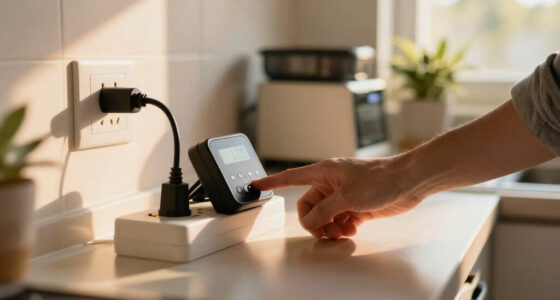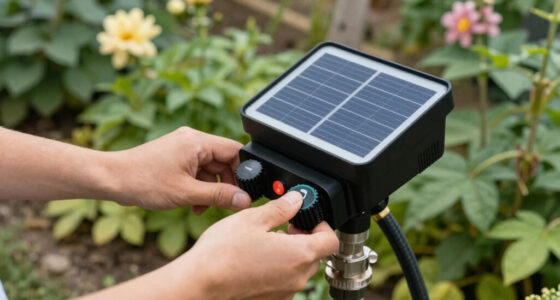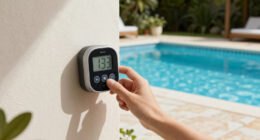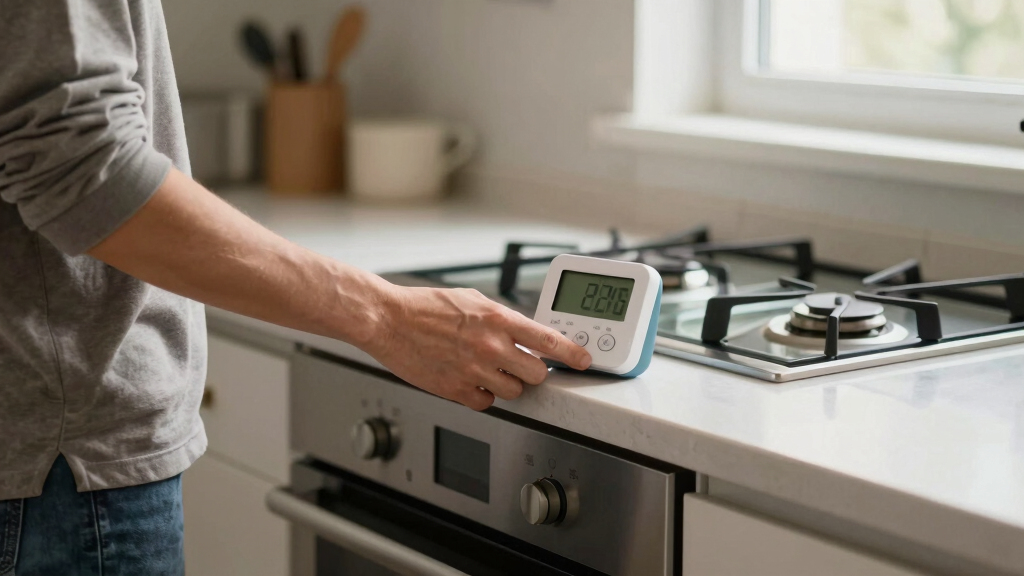

For anyone looking to automate their home appliances, programmable home appliance timers offer a convenient way to save energy and simplify daily routines. The BN-LINK 7-Day Heavy Duty Digital Timer stands out as the best overall choice for its versatility and ease of use. For outdoor setups, the BN-LINK 7 Day Outdoor Heavy Duty Digital Timer offers weatherproof durability, and the GE 24-Hour Mechanical Outlet Timer provides a straightforward, budget-friendly option. Each product caters to different needs, but choosing the right timer depends on factors like installation complexity, weather resistance, and programmability features. Keep reading for a detailed comparison to find your perfect match.
Complete the kit


Key Takeaways
- Top picks vary between indoor and outdoor use, with weatherproofing being a key differentiator.
- Mechanical timers offer simplicity but lack advanced features found in digital models.
- Programmability options range from basic on/off schedules to complex cycle settings, influencing ease of use.
- Power capacity and outlet configuration are critical for ensuring compatibility with your appliances.
- Higher-priced models tend to offer more durable build quality and expanded programming options.


| programmable home appliance timer | Voltage | Current | Frequency |
|---|---|---|---|
| BN-LINK 7-Day Heavy Duty Digit | 125V | 15A | 60Hz |
| GE 24-Hour Mechanical Outlet T | — | — | — |
| BN-LINK 7 Day Outdoor Heavy Du | — | — | — |
| Timer Outlet | 120V | 15A | — |
| BN-LINK Digital Timer Outlet | 125VAC | 15A | 60Hz |
| Dewenwils 24 Hour Programmable | 125V | 15A | 60Hz |
| myTouchSmart In-Wall Digital T | 120VAC 60 Hz | 15A | — |
| BN-LINK 24 Hour Mechanical Plu | 125VAC | 15A | 60Hz |
| HBN 7 Day Heavy Duty Digital T | 125V | 15A | 60Hz |
| BN-LINK 7-Day Programmable In- | — | — | — |
| BN-LINK Indoor Digital Timer O | 125V | 15A | 60Hz |
| Dewenwils 24 Hour Programmable | 125V | 15A | 60Hz |
| BN-LINK Indoor Digital Timer O | 120V | 15A | 60Hz |
More Details on Our Top Picks
BN-LINK 7-Day Heavy Duty Digital Timer with Dual Outlet, LCD Display, 3-Prong Programmable Design, for Lights, Fans, Coffee Machine, Indoor Use, 125V 15A, 2 Pack
This BN-LINK digital timer stands out for its versatility, with dual outlets and the ability to set up to 8 programmable schedules for indoor devices. It surpasses simpler mechanical timers like the GE 24-Hour Timer by offering multiple daily settings and energy-saving features, making it suitable for users seeking detailed automation. Its LCD display simplifies programming, but it remains limited to resistive loads and indoor use only, lacking remote control capabilities. Compared to other digital options, its straightforward interface and reliability make it ideal for general household automation.
Pros:- Supports up to 8 on/off schedules for comprehensive automation
- Includes vacation mode for security when away
- Easy-to-read LCD display simplifies setup
Cons:- Limited to resistive loads up to 125V and 15A
- Indoor use only; not weatherproof or suitable for outdoor settings
Best for: Homeowners who want flexible, multi-schedule control over indoor appliances without the complexity of Wi-Fi apps
Not ideal for: People who need outdoor timers or remote access, since it lacks weatherproofing and remote features
- Voltage:125V
- Current:15A
- Wattage:1875W
- Frequency:60Hz
- Number of Outlets:2
- Programmable Schedules:8
- Display:LCD
- Prong Type:3-prong
Our verdict“This timer offers a balanced blend of ease of use and flexible scheduling, making it perfect for indoor automation needs.”
GE 24-Hour Mechanical Outlet Timer Switch (2 Pack)
The GE 24-Hour Mechanical Timer Switch provides a simple, no-fuss solution for controlling indoor lighting and appliances with pushpin intervals. Compared to the digital BN-LINK options, its mechanical design offers a straightforward setup, which appeals to users who prefer manual control without digital complexity. However, it sacrifices precise scheduling and multiple daily programs, making it less flexible for detailed automation. Its compact, unobtrusive form makes it easy to integrate into any space, but it is limited to basic on/off control with fixed intervals.
Pros:- Simple setup with pushpins—no digital skills required
- Controls multiple devices simultaneously via dual outlets
- Compact design blends into home decor
Cons:- Limited to 24-hour cycle with fixed 30-minute intervals
- Less precise than digital timers, especially for specific times
Best for: Users seeking an easy, budget-friendly timer for basic daily schedules or holiday lighting
Not ideal for: Tech-savvy users or those needing complex scheduling or outdoor control, since it’s purely mechanical and indoor-only
- Timer Type:Mechanical
- Cycle:24-hour
- Intervals:30-minute
- Outlets:Dual grounded
- Use:Indoor
Our verdict“This mechanical timer is ideal for simple, low-effort scheduling for indoor devices, especially for beginners or casual users.”
BN-LINK 7 Day Outdoor Heavy Duty Digital Programmable Timer, Waterproof Outlet with 2 Grounded Outlets, 15A, ETL Listed
This outdoor BN-LINK timer excels in weatherproof durability and customizable programming, making it the preferred choice for outdoor holiday lights, fountains, or garden sprinklers. Unlike indoor-only models like the Nearpow or GE mechanical timers, its waterproof design and ETL listing provide peace of mind in variable weather conditions. It supports up to 8 on/off cycles daily and offers vacation mode, similar to the indoor digital timers, but with the added benefit of outdoor resilience. The complexity of setup may challenge users unfamiliar with electrical ratings, but its weatherproof features justify the tradeoff.
Pros:- Weatherproof and durable for outdoor environments
- Supports multiple daily on/off cycles and vacation mode
- ETL listed for safety and reliability
Cons:- Requires understanding of electrical ratings for proper use
- Setup can be more complex compared to indoor timers
Best for: Gardeners and outdoor enthusiasts needing reliable, programmable control of outdoor devices in all weather conditions
Not ideal for: Indoor-only users or those unfamiliar with electrical safety standards, as outdoor wiring can be complex
- Number of Outlets:2
- Max Voltage:125V
- Max Current:15A
- Horsepower:1/2HP
- Weatherproof:Yes
- ETL Listed:Yes
Our verdict“This timer is perfect for outdoor setups where weather resistance and flexible scheduling are priorities.”
Timer Outlet, Nearpow Multifunctional Programmable Digital Timer Switch with 3-Prong Outlet for Appliances, 15A/1800W
The Nearpow digital timer outlet offers up to three daily on/off programs, making it suitable for users who want to automate routines like lighting and heating. While it provides flexible scheduling within a single day, it cannot assign different schedules to specific days, unlike the BN-LINK 7-day models. Its large LCD and child lock enhance usability and safety, but the 1800W maximum wattage limits its use with high-power appliances. Compared to the BN-LINK outdoor timer, it is designed strictly for indoor use and does not support complex programming beyond daily cycles.
Pros:- Allows up to three daily schedules for convenience
- Large LCD display simplifies programming
- Child lock adds safety for families
Cons:- Limited to repeating daily schedules, no day-specific programming
- Maximum wattage of 1800W restricts high-power devices
Best for: Households seeking straightforward daily automation for appliances like heaters or lights without complex scheduling needs
Not ideal for: Users requiring weekly or holiday-specific schedules, or outdoor control, due to its limited programming options
- Voltage:120V
- Current:15A
- Wattage:1800W
- Number of Programs:3 per day
- Material:V0 grade fireproof plastic
- Outlet Type:3-prong grounded
Our verdict“Ideal for simple daily routines but not suitable for advanced scheduling or outdoor automation.”
BN-LINK Digital Timer Outlet, Programmable Intermittent Cycle Timer for Appliances, 15A/1875W
This BN-LINK cycle timer excels in delivering highly adjustable on/off cycles, from as short as 1 second to nearly 24 hours, surpassing the fixed schedules of the Nearpow model. It suits those who need precise control over devices like fans or pumps, with multiple modes including day, night, and continuous operation. Unlike the outdoor timers, it’s intended for indoor use, and its broad cycle range is more versatile than digital timers with limited programming. However, its lack of Wi-Fi or remote control limits convenience for those seeking app-based automation.
Pros:- Highly adjustable cycle range from 1 second to nearly 24 hours
- Multiple modes for flexible automation
- Easy to set up and operate with clear controls
Cons:- Limited to 15A/1875W appliances; not suitable for high-power or outdoor applications
- No remote or Wi-Fi connectivity for remote adjustments
Best for: Users requiring highly customizable, accurate cycle timing for indoor appliances like pumps, fans, or heaters
Not ideal for: People who prefer remote management or outdoor control, as it does not support Wi-Fi or app connectivity
- Voltage:125VAC
- Frequency:60Hz
- Current:15A
- Power:1875W
- Modes:Day, Night, 24-Hour
- Cycle Range:1 second to 23 hours 59 minutes
Our verdict“This timer delivers precise, customizable cycling ideal for indoor devices requiring exact timing over a broad range.”
Dewenwils 24 Hour Programmable Digital Timer Outlet, 2 Pack
This pair of Dewenwils timers stands out for their compact design, making them ideal for tight spaces where outlet blocking is a concern. Compared with bulkier digital timers, these don’t block adjacent outlets, which is a significant advantage in crowded power strips or outlets. Their memory function ensures settings are retained during outages, adding to convenience, while silent operation makes them perfect for bedrooms or quiet spaces. However, they are limited to indoor environments and require manual setup for each schedule, which can be tedious for frequent changes. The display might be hard to read in low light, and programming isn’t as intuitive as digital wall switches. Overall, this pick makes the most sense for users needing simple, space-saving timers for indoor lighting or electronics.
Pros:- Allows programming of 3 daily schedules for automation
- Compact design doesn’t block other outlets
- Memory function preserves settings during power outages
- Silent operation suits bedrooms
Cons:- Limited to indoor use only
- Requires manual setup for each schedule
- Display may be difficult to read in low light
Best for: Homeowners seeking affordable, space-efficient timers for indoor lights and small appliances.
Not ideal for: Those needing outdoor timers or frequent, complex scheduling without manual reprogramming.
- Voltage:125V
- Frequency:60Hz
- Current:15A
- Power:1000W
- Prongs:3 prong
- Size:Compact
- Memory:Up to 3 months
Our verdict“This timer is perfect for users wanting a simple, space-saving, indoor timer with reliable memory features.”
myTouchSmart In-Wall Digital Timer with Programmable Buttons
This in-wall timer from myTouchSmart offers a flexible solution for controlling indoor and outdoor lighting, with programmable buttons for quick schedules. It surpasses simpler plug-in timers like BN-LINK 24 Hour Mechanical Timer by providing easier, more customizable programming for multiple devices. Its backup battery ensures settings stay intact during outages, and compatibility with various bulb types broadens its utility. Installation requires a neutral wire, which could be a barrier for some users, and the setup might be complex for those unfamiliar with wiring. The interface, while feature-rich, could be overwhelming for beginners. This model suits homeowners wanting a durable, in-wall timer with manual override and versatile scheduling.
Pros:- Allows scheduling for energy savings
- Backup battery retains settings during outages
- Compatible with various bulb types including dimmable
- Easy to install with screw terminal design
Cons:- Requires neutral wire for installation
- Wall plate not included
- Setup may be complex for inexperienced users
Best for: Homeowners installing in-wall timers for indoor or outdoor lighting with existing neutral wiring.
Not ideal for: Renters or those without neutral wires who prefer plug-in options or simpler setups.
- Number of Programmable Buttons:4
- Number of Override Buttons:2
- Cycle:24 Hour Daily
- LED Indicators:Yes
- Battery Backup:Yes
- Voltage:120VAC 60 Hz
- Current:15A
- Wattage:1200W Tungsten
Our verdict“Ideal for those seeking a robust in-wall timer with manual controls and extensive scheduling flexibility.”
BN-LINK 24 Hour Mechanical Plug-in Timer, Grounded, ETL Listed
This mechanical timer from BN-LINK offers straightforward programming with its built-in pin dial, providing a reliable, no-fuss option for basic automation needs. It supports up to 96 ON/OFF settings, making it versatile for various small appliances like lights and fans. Compared to digital timers, this model trades advanced features for simplicity and durability, making it suitable for users who prefer mechanical controls. Its ETL listing confirms safety and quality, but it requires manual setup for each programming cycle and lacks digital precision, which might be a drawback for those seeking more exact timing. The timer’s mechanical nature also means less flexibility for frequent schedule adjustments. This timer fits well for users who prioritize simplicity and longevity over digital features.
Pros:- Easy-to-use built-in pin dial for programming
- Supports up to 96 ON/OFF settings for customization
- ETL listed for safety and quality
- Suitable for a variety of small appliances
Cons:- Mechanical timer may be less precise than digital options
- Limited to 125VAC applications
- Requires manual setup for programming
Best for: People seeking a durable, easy-to-use timer for basic household or office automation.
Not ideal for: Tech-savvy users wanting precise, easily adjustable digital scheduling or complex routines.
- Voltage:125VAC
- Frequency:60Hz
- Wattage:1875W
- Current:15A
- Horsepower:1/2HP
- Number of Pins:96 ON/OFF programs
Our verdict“Best suited for users who value durability and simplicity over digital precision in basic automation tasks.”
HBN 7 Day Heavy Duty Digital Timer with Dual Outlets
The HBN digital timer excels for users needing multiple device control with its dual outlets and extensive scheduling options. Supporting up to 8 programs per day, it offers significant flexibility for automating lamps, fans, or other appliances. Compared with simpler timers like Dewenwils, this model’s heavy-duty design and vacation mode make it suitable for more demanding indoor setups. The setup can be complex for some, and it lacks remote control features, limiting convenience. Its sturdy build and safety features make it a reliable choice for indoor use, but it’s not designed for outdoor environments or frequent manual adjustments. This timer is ideal for users who want robust, multi-device control with detailed scheduling.
Pros:- Easy to set up with customizable schedules
- Supports vacation mode for security
- Durable and safe for indoor use
- Dual outlets for controlling multiple devices
Cons:- Limited to indoor environments only
- Complex setup for some users
- No remote control functionality
Best for: Homeowners requiring a heavy-duty, indoor timer with multiple device control and security features.
Not ideal for: Users seeking outdoor timers or those preferring remote or app-based controls.
- Voltage:125V
- Frequency:60Hz
- Current:15A
- Power:1875W
- Prong:3-prong
- Programmable On/Off Programs:Up to 8
Our verdict“Best for those needing a heavy-duty, multi-device timer with flexible scheduling for indoor applications.”
BN-LINK 7-Day Programmable In-Wall Timer Switch for Lights
This BN-LINK timer switch offers extensive scheduling with 18 programs over seven days, making it suitable for detailed control of indoor lighting and fans. Its blue backlight simplifies programming, especially in dimly lit areas, while the rechargeable backup battery ensures settings are retained during power outages. It’s compatible with both single-pole and 3-way wiring, adding versatility, but this complexity may intimidate less experienced users. Installation requires a neutral wire, which limits its use in some homes. Its digital interface provides precise control, though setup can be challenging for novices. Compared with wall-mounted digital timers, this switch offers greater integration into existing wiring. This product makes the most sense for homeowners seeking comprehensive, wired control of multiple lighting zones.
Pros:- Allows extensive scheduling with 18 programs
- Blue backlight for easy programming at night
- Rechargeable backup battery preserves settings
- Compatible with single-pole and 3-way wiring
Cons:- Requires neutral wire for installation
- Limited to indoor use only
- Setup may be complex for some users
Best for: Homeowners with existing neutral wiring wanting a flexible, wired timer switch for indoor lighting or fans.
Not ideal for: Renters or those without neutral wires, or users preferring plug-in timers with simpler setup.
- Backlight:Blue
- Programs:18 ON/OFF
- Scheduling:7-day
- Battery:Rechargeable backup
- Compatibility:Single-pole and 3-way
- Neutral Wire Required:Yes
Our verdict“Ideal for homeowners who want a highly customizable wired timer switch with extensive scheduling features.”
BN-LINK Indoor Digital Timer Outlet, 7-Day Programmable Light Switch, 3 Prong Plug, 8 On/Off Programs, 15A/1875W
This model stands out for its straightforward setup and flexible scheduling, making it suitable for controlling a variety of indoor devices like lights and fans. Compared with the Dewenwils 24 Hour Timer, it offers more advanced features such as daylight saving time support and a vacation mode, which enhance home automation and security. Its large, clear display simplifies programming, but the maximum load of 15A limits its use to lower-power appliances. While easy to operate, it requires manual programming for each schedule, and its indoor-only design means it can’t be used outdoors or in damp environments.
Pros:- User-friendly setup with flexible scheduling options
- Supports daylight saving time and vacation mode for added convenience
- Energy-efficient design helps reduce electricity costs
- Large, easy-to-read display
Cons:- Limited to indoor environments only
- Requires manual setup for each schedule
- Maximum load capacity may not suit high-power appliances
Best for: Homeowners seeking an easy-to-program, versatile timer for indoor lighting and appliance automation.
Not ideal for: Users needing outdoor or high-power device control, as this timer isn’t rated for outdoor use or higher wattages.
- Number of Programs:8
- Voltage:125V
- Current:15A
- Wattage:1875W
- Frequency:60Hz
- Listing:ETL
Our verdict“This timer makes the most sense for indoor users who prioritize ease of use and flexible scheduling for lighting and small appliances.”
Dewenwils 24 Hour Programmable Digital Timer Outlet, 2 Pack
Compared with the BN-LINK indoor timer, this Dewenwils set offers two timers at a competitive price, making it ideal for users who want to automate multiple devices without added complexity. It allows up to three ON/OFF events per day, which suits daily routines for indoor lights and fans, but lacks Wi-Fi or remote control features that more advanced timers offer. Its large display ensures clear status visibility and the memory function preserves settings during outages, yet it’s limited to indoor use and requires manual mode switching, which could be inconvenient for some users.
Pros:- Affordable two-pack for multiple device control
- Easy to set up with multiple daily schedules
- Large display for clear status indication
- Memory function preserves settings during outages
Cons:- Limited to indoor use only
- Requires manual switching between modes
- No remote or smart features
Best for: Budget-conscious consumers who need simple, reliable daily timers for indoor devices in multiple rooms.
Not ideal for: Tech-savvy users seeking remote control or smart home integration, since it lacks Wi-Fi or app connectivity.
- Voltage:125V
- Frequency:60Hz
- Current:15A
- Wattage:1000W tungsten
- Number of Outlets:2
- Power Source:Indoor use
Our verdict“This set is perfect for users who want straightforward indoor timers on a budget without extra features.”
BN-LINK Indoor Digital Timer Outlet, Dual Outlet 7 Day Programmable Light Switch, 3 Prong Plug-in Timers for Electrical Outlets, Lamps, Fans, 8 On/Off Programs, 1 Pack, 15A/1875W, ETL Listed
This model provides two grounded outlets with independent scheduling, making it ideal for controlling multiple devices with up to 8 on/off programs per week. Its backup battery ensures settings remain during power outages, a feature not available on the Dewenwils timers, adding peace of mind. While its programming flexibility is a key strength, the 15A load capacity limits use with high-wattage appliances, and setup can be slightly more complex due to dual scheduling options. It’s best suited for indoor use, especially where simultaneous control of two devices is desired.
Pros:- Dual outlets with independent scheduling
- Backup battery preserves settings during power outages
- ETL listed for safety and reliability
- Flexible programming options
Cons:- Limited to 15A/1875W capacity
- Requires programming for each device separately
- Indoor-only design restricts outdoor use
Best for: Homeowners who want to automate two devices independently with detailed weekly schedules and reliability during outages.
Not ideal for: Heavy-duty or outdoor applications, since it’s rated for indoor use and 15A capacity may restrict high-power equipment.
- Number of Outlets:2
- Programmable On/Off Cycles:8 per week
- Voltage:120V
- Frequency:60Hz
- Current:15A
- Backup Battery:Yes
Our verdict“This timer suits users needing reliable dual-device control with detailed scheduling and outage protection for indoor environments.”
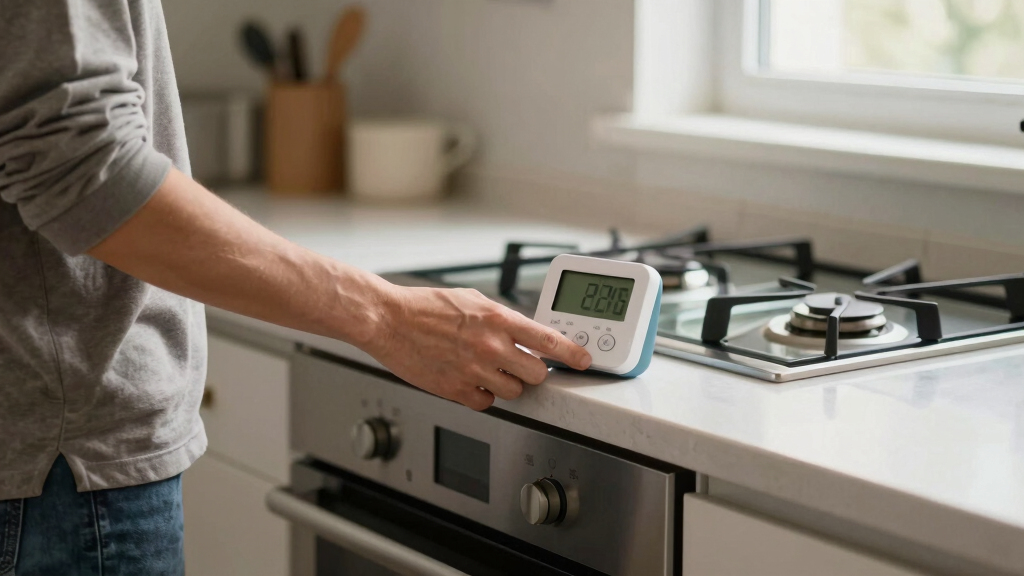
How We Picked
Products were evaluated based on their programmability, durability, ease of installation, and value for money. We prioritized timers that offer reliable performance across various household scenarios, including indoor and outdoor use. Features like multiple scheduling options, user interface clarity, and power capacity were key factors. Additionally, build quality and safety certifications such as ETL listing played a role in ranking these options, ensuring that they meet safety standards and last over time.Factors to Consider When Choosing Programmable Home Appliance Timers
Choosing the right programmable home appliance timer involves considering several important factors beyond basic features. First, assess whether you need an indoor or outdoor timer, as outdoor models require weatherproofing. Next, consider the complexity of programming—simple models are easier for beginners, but more advanced timers offer greater flexibility. Power capacity must match the appliances you plan to automate to prevent overloads. Compatibility with existing switches or outlets and installation ease are also key, especially if you’re not comfortable with electrical work. Finally, think about your budget and whether investing in a premium model offers enough added value for your needs.Indoor vs. Outdoor Use
Deciding between indoor and outdoor timers depends largely on where you’ll install the device. Outdoor models must withstand weather elements like rain, sun, and temperature fluctuations, so look for waterproof ratings and rugged construction. Indoor timers typically focus on simple scheduling for lamps, fans, or small appliances and do not need weatherproofing. Choosing the right environment-specific timer prevents premature failure and enhances safety. Remember, outdoor timers often cost more due to their durability, so evaluate your needs carefully to avoid unnecessary expense.
Programming Complexity and Features
Some timers offer straightforward on/off scheduling, ideal for basic needs like lamps or coffee makers. Others include advanced features such as multiple daily programs, cycle repeats, or randomization to mimic occupancy. If you prefer simplicity, a mechanical timer or a digital model with fewer options will suffice. For more intricate automation—like alternating between different appliances or creating custom routines—invest in a timer with extensive programming capabilities. Be aware that more complex features often come with a steeper learning curve and higher price points.
Power Capacity and Outlet Compatibility
Matching the timer’s power capacity with your appliance’s requirements is essential. Overloading a timer can cause malfunctions or safety hazards. Check the wattage and amperage ratings carefully—most household timers handle up to 15A, suitable for lamps, fans, and small appliances. Larger devices like space heaters or heavy-duty equipment may need specialized timers with higher ratings. Additionally, consider the outlet type—single or dual—and whether the timer supports grounded or GFCI outlets if necessary, especially for outdoor use.
Ease of Installation and Use
Ease of setup varies widely among timers. Mechanical models generally require less effort but lack advanced features. Digital timers with LCD displays often include user-friendly interfaces and step-by-step instructions, making setup straightforward for most users. In-wall timers demand basic electrical knowledge or professional installation, which adds complexity and cost. Consider your comfort level with electrical work and whether the timer’s design allows quick, hassle-free programming. Clear labels, backlit screens, and manual overrides enhance usability, especially in low-light conditions.
Budget and Long-term Value
While budget models might meet basic needs, they often lack durability or advanced features, potentially leading to replacements sooner. Investing in higher-quality timers with robust build quality and additional functions can provide better long-term value, especially if you automate multiple devices or depend on precise scheduling. Weigh the initial cost against the potential savings in energy and convenience. Sometimes, paying a bit more upfront results in fewer failures and enhanced safety, making it a smarter choice for heavy or critical appliance control.
Frequently Asked Questions
Can I use a programmable timer to control multiple appliances at once?
Most timers are designed to control a single outlet or switch, so if you wish to automate multiple appliances simultaneously, you may need a timer with multiple outlets or consider a smart home system that supports multiple devices. Some digital timers with dual outlets can handle two appliances independently or simultaneously, but check their programming options and power ratings to ensure compatibility. For more complex setups, a smart plug or home automation system might offer better flexibility and control, often via mobile apps.
Are outdoor timers safe to use with outdoor electrical devices?
Yes, outdoor timers are specifically built for outdoor conditions, featuring weatherproof enclosures and ratings such as IP65 or higher. They are designed to prevent water ingress, corrosion, and damage from UV exposure. However, it’s important to follow installation instructions carefully, ensuring the timer is connected securely and in a protected location. Regular maintenance, like cleaning and inspecting seals, can prolong the lifespan of outdoor timers and keep your outdoor appliances safe and functional.
Can a digital timer replace a traditional mechanical timer?
Digital timers generally offer more precise and flexible scheduling compared to mechanical models, making them suitable for complex routines. They often feature multiple on/off periods per day, cycle repeats, and manual override options. However, mechanical timers are simpler, more durable, and require no power source, which can be advantageous in basic applications or areas prone to power outages. The choice depends on the complexity of your needs and your comfort with technology—digital timers provide more customization but may be more prone to user error if not configured properly.
What should I check before installing a timer in my home?
Before installation, verify that the timer’s power rating matches your appliances’ requirements. Ensure the outlet type and wiring compatibility, especially if installing in-wall timers, which might require electrical knowledge or professional help. Check the timer’s size and design to confirm it fits your space and that buttons or displays are accessible. Also, review safety certifications like ETL or UL listing to guarantee compliance with safety standards. Proper installation not only protects your devices but also minimizes electrical hazards.
Do I need a smart timer for advanced home automation?
While traditional programmable timers cover basic scheduling needs, smart timers or plugs connect to Wi-Fi and can be controlled remotely via apps, offering advanced features like voice commands, energy monitoring, and integration with other smart devices. If you want automation that adapts to your lifestyle or remote management, a smart timer provides greater flexibility. However, they tend to be more expensive and require a stable internet connection. For simple on/off scheduling, a traditional timer often suffices and is easier to set up.
Conclusion
For casual users seeking straightforward control of indoor appliances, a basic mechanical timer or simple digital model will do the job at a low cost. Those wanting durability for outdoor use should prioritize weatherproof, heavy-duty options like the BN-LINK outdoor timer. If you favor advanced features and flexibility, investing in a premium digital timer or smart system offers greater control and customization. Beginners will benefit from easy-to-use models with clear interfaces, while power users might prefer timers with extensive programming options. Ultimately, selecting the right timer depends on your specific needs, environment, and comfort with setup complexity.