TL;DR

Get home appliances delivered free with Prime
- Fast, free delivery on millions of items
- Prime Video, Amazon Music and more included
- Member-only deals all year
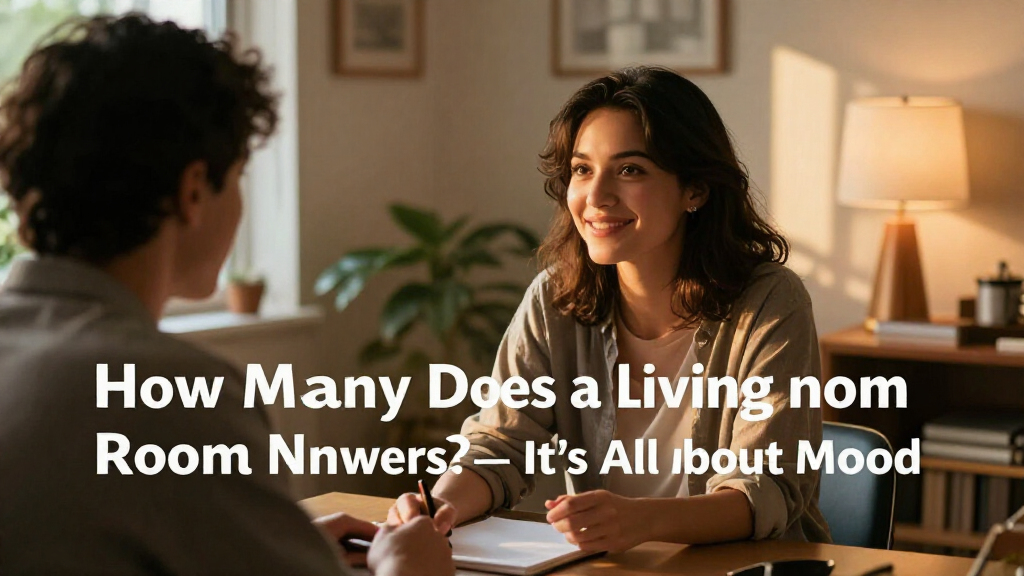
A Livingetc stylist recommends starting with two lamps in most living rooms, rather than aiming for a fixed number. The right count depends on how the space is laid out and used, with separate lamps helping provide reading light, soften evenings and illuminate darker areas.
Livingetc’s stylist recommends starting with two lamps in most living rooms, then adding more if the space is large or divided into separate areas. The guidance frames the number as a matter of layout, everyday use and atmosphere, not a fixed formula, and says lamps should create useful pools of light when the main ceiling light is off.
The stylist says two is a comfortable starting point for a typical living room, alongside a ceiling light if the room has one. In a smaller room with effective overhead lighting, one table lamp and one floor lamp may be sufficient. Larger rooms, open-plan layouts or spaces with distinct areas for television viewing or reading may benefit from three or more lamps.
The recommendation is to give each lamp a distinct purpose rather than simply filling the room with fixtures. A table lamp near a sofa can provide softer evening light; a floor lamp beside an armchair can support reading; and a lamp on a console or sideboard can brighten a darker wall or highlight objects on display. The stylist also suggests placing lights around the room and at different heights instead of relying on one central source.
Livingetc’s advice stresses that lamps do not need to match. A floor lamp with a different shape from an existing table lamp can make a room feel less formal, while pieces with different functions can layer ambient, task and accent lighting. Before purchasing, the article recommends checking a lamp’s size, light reach and compatibility with its bulb and dimmer.
How Layered Light Changes a Room
The advice matters to people trying to make a living room work for more than one activity. A single overhead fitting may light the room broadly, but separate lamps can direct light toward a reading chair, a sofa or a darker corner. That gives residents more control over the room’s feel and use without relying on the main light for every situation.
The guidance also offers a practical alternative to buying lamps based on a room-size rule. Function and placement are the key tests: a room may need another lamp if a distinct area remains poorly lit, while a compact room may feel comfortable with two well-placed options. The article does not present this as a measured lighting standard; it is a stylist’s design recommendation.
For anyone planning a renovation, the advice has a planning implication. Lighting positions, switches and outlets can affect where lamps are practical, so considering how the room will be used early may make it easier to create flexible lighting. In an existing room, plug-in lamps can provide a layered effect without changing the wiring.
Products Worth Considering

Bosch GTS18V-08N14 PROFACTOR 18V 8-1/4-Inch Portable Table Saw Kit with 8 Ah Battery

EGO Power+ 10” Cordless Pole Saw with Telescopic Shaft and LED Cut Line Indicator

RYOBI 18V ONE+ HP Brushless 8-1/4-Inch Table Saw (Recon)
As an affiliate, we earn on qualifying purchases.
A Practical Starting Point, Not a Rule
The source report appears in Livingetc’s home-design advice and addresses a common decorating question: how many lamps a living room needs. Its answer is not a universal count. The stylist proposes two as a starting point, then recommends adjusting for the room’s scale, layout and activities.
The report includes advice from two design professionals on planning and choosing lighting. Emma Deterding, founder and creative director of Kelling Designs and KDLoves, advises planning lighting around how people will use a space, including whether it needs to support reading or a desk area. Suzanne Duin, founder of Maison Maison, recommends balancing ambient, task and accent lighting according to the room’s purposes.
The article also discusses lamps as decorative objects as well as light sources. Sculptural forms, varied materials and different shades can contribute to a room’s appearance even when the lamps are switched off. Its practical emphasis, however, is on ensuring each piece adds a different kind of light or serves a distinct part of the room.
“When it comes to the living room, your lighting is a crucial part of the overall design scheme and should be planned at the beginning of the design process.”
— Emma Deterding, founder and creative director of Kelling Designs and KDLoves
The Right Count Depends on the Room
The source does not set a precise lamp count for particular room dimensions, ceiling heights or window conditions. It also does not provide a technical lighting calculation, target brightness level or product-testing data. The suggested two-lamp starting point is stylist guidance, not a formal requirement or guarantee that every room will be adequately lit.
How many lamps a household needs will depend on factors the report does not quantify, including existing overhead light, the placement of outlets, the tasks performed in the room and residents’ preferences. The article also does not specify particular bulb brightness or color temperatures. Readers may need to assess their own layout and test whether each area has enough light for its intended use.
Plan Placement Before Buying
The practical next step is to identify where people sit, read, watch television or work, then decide which areas need their own light source. Start with two lamps as a guide, check what the ceiling fixture already provides, and add another only when a separate zone or dim area calls for it.
Before buying, check each lamp’s height and reach, along with bulb and dimmer compatibility, and consider whether the available outlets and switches suit the planned placement. For renovation work involving electrical changes, use a licensed electrician and follow applicable safety and permit requirements. The source report does not announce a formal follow-up or a fixed next milestone; its recommendation is to tailor the setup to the individual room.
Key Questions
How many lamps does a living room need?
Livingetc’s stylist recommends starting with two in most living rooms. A larger, open-plan or zoned space may call for three or more, while a smaller room with good ceiling lighting may need only a table lamp and a floor lamp.
Do the lamps need to match?
No. The report suggests combining different shapes and types of lamps, provided each one contributes a distinct function or look. A table lamp and a floor lamp do not have to be matching pieces.
Where should living-room lamps go?
Place lamps where light is useful: near a sofa for softer evening lighting, beside an armchair for reading, or on a console to brighten a darker wall. Spread light around the room and vary its height rather than concentrating it in one spot.
Should I plan lighting before renovating?
Yes. The designers quoted by Livingetc advise considering how the room will be used and planning lighting early, including the positions of outlets and switches. For electrical work, consult a licensed professional and follow local requirements.
Source: rss