
TL;DR

Get home appliances delivered free with Prime
- Fast, free delivery on millions of items
- Prime Video, Amazon Music and more included
- Member-only deals all year
Smart timers automate appliance operation, reducing unnecessary runtime and shifting usage to cheaper hours. They offer the greatest savings on high-energy devices like water heaters, HVAC, and EV chargers, especially when combined with energy monitoring and smart automation.
Imagine your water heater or outdoor lights turning on just when you need them — and shutting off when you don’t. That’s the power of smart home timers. They don’t just make your life easier; they can drastically cut your energy bills by preventing waste and shifting usage to cheaper or greener hours.
But not all timers are created equal. Some are simple mechanical devices, while others are smart, connected systems that can adapt to your routines, weather, or electricity prices. Knowing how to choose and set them up can turn your home into a lean, green energy machine.
Prioritize automating high-energy, long-running devices like water heaters and HVAC for maximum impact.
Use energy monitoring to verify actual savings and tweak schedules accordingly.
Choose timers supporting local schedules for reliability during internet outages.
Leverage automation features like occupancy sensors and weather data to optimize energy use.
Always consider safety, proper wiring, and manufacturer guidelines, especially for high-power appliances.
How Smart Timers Slash Your Energy Bill Without Sacrificing Comfort
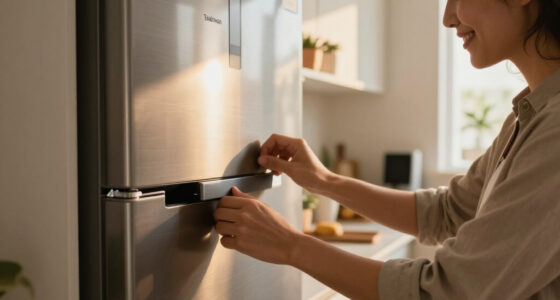
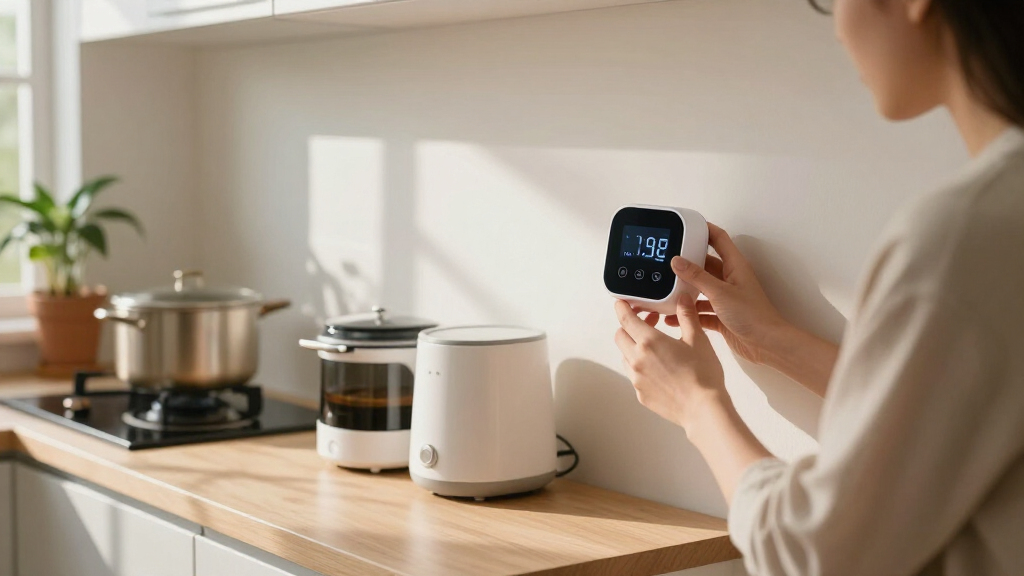
Smart home timers work by controlling when your devices turn on and off — usually without you needing to think about it. For example, you might set your water heater to run only during off-peak hours. Or your outdoor lights could switch on at sunset and off at sunrise, saving power during daylight.
Research shows that appliances like water heaters, HVAC systems, and pool pumps account for a large chunk of household energy use. Automating their operation prevents unnecessary running times, especially when you’re away or asleep. Plus, many smart timers learn your habits, so they get smarter over time.
Think of your home as a busy city. Smart timers are like traffic lights that coordinate flow, reducing congestion — or in your case, energy waste.
smart home timers for energy saving
As an affiliate, we earn on qualifying purchases.
As an affiliate, we earn on qualifying purchases.
Choose the Right Devices to Automate for Big Savings
Not every device is worth automating. Focus on high-power, long-run appliances first — they offer the greatest savings. For instance:
- Water heaters: Running during off-peak hours cuts bills and eases grid demand.
- HVAC systems: Smart thermostats and timers can adjust temperature settings based on occupancy or weather patterns, reducing unnecessary heating or cooling when no one is home or during mild weather.
- Pool pumps and dehumidifiers: Automate their operation for efficiency, especially during low-demand periods or when energy prices are lower, to avoid wasting power during peak times.
- Electric vehicle chargers: Delay charging until electricity is cheaper or renewables are plentiful, which not only saves money but also supports cleaner energy use.
Imagine your heat pump kicking in at midnight, when electricity is half the daytime rate. That’s real savings. Prioritizing these devices ensures that your efforts yield the most significant reductions in your energy bills, but it’s also important to consider the tradeoff between convenience and savings—some automation might require initial setup and adjustments to fit your lifestyle.
As an affiliate, we earn on qualifying purchases.
Compare Simple Mechanical Timers vs. Smart Home Timers
| Feature | Mechanical Timers |
|---|---|
| Cost | Lower upfront, simple |
| Control | Scheduled by dial or pins, no remote access |
| Flexibility | Limited, fixed schedules |
| Reliability | High, works without internet |
| Feature | Smart Home Timers |
|---|---|
| Cost | Higher, but more features |
| Control | Remote, app-based scheduling, sensor integration |
| Flexibility | Adjustable, adaptive routines |
| Reliability | Depends on Wi-Fi/internet but often local processing |
While mechanical timers are perfect for straightforward tasks, smart timers excel in complex routines, remote control, and integration with other smart devices. The choice depends on your priorities: if you value simplicity and reliability without relying on internet, mechanical timers may suffice. However, if you want advanced scheduling, real-time adjustments, and integration with other smart home systems, investing in smart timers provides greater flexibility and long-term savings, though they require a stable Wi-Fi connection and some initial setup.
As an affiliate, we earn on qualifying purchases.
How to Set Up Your Smart Timer for Maximum Savings
- Identify high-energy devices: Focus on appliances that run long and consume lots of power to maximize savings. Recognize which devices have the greatest impact on your energy bill.
- Measure baseline consumption: Use a smart plug with energy monitoring to see how much each device uses in typical operation. This data helps you understand the potential savings and fine-tune your schedules effectively.
- Choose the right timer: Pick a device that supports your appliance’s voltage, current, and surge requirements. Compatibility is crucial to prevent damage or inefficiency.
- Create a schedule: Program your timer to run during off-peak hours or when you’re away—aligning with utility rates and your lifestyle. Consider the implications of turning devices on/off frequently, which can impact device lifespan.
- Test and tweak: Observe how much energy you save over a week or two, then adjust timings for better results. Small changes can significantly improve efficiency and savings.
Imagine setting your water heater to turn on at 2 a.m., then waking up to a warm shower, knowing you’ve cut energy waste. This proactive approach not only saves money but also extends the lifespan of your appliances by reducing unnecessary cycling, which can cause wear over time.
outdoor light timer with sunset and sunrise control
As an affiliate, we earn on qualifying purchases.
As an affiliate, we earn on qualifying purchases.
Smart Automation Tricks to Boost Energy Savings Even More
Beyond fixed schedules, smart automation uses sensors, weather data, and energy prices to fine-tune when devices run. These techniques can significantly amplify your savings but also require understanding their implications:
- Occupancy sensors: These detect when a room is empty and turn off lights, fans, or other devices, preventing waste when no one is present. While they save energy, improper placement or sensitivity settings might cause inconvenience or missed opportunities for savings.
- Sunset and sunrise triggers: Adjust outdoor lighting based on actual daylight rather than fixed times. This adapts to seasonal changes, ensuring lights aren’t on unnecessarily during bright days, thus reducing power consumption and light pollution.
- Weather forecasts: Pre-cool or pre-heat your home when mild weather is forecasted, decreasing the need for energy-intensive heating or cooling during peak hours. Although effective, this requires accurate forecasts and can involve some trial and error to optimize.
- Electricity price alerts: Delay laundry, EV charging, or other high-energy tasks until utility rates are lowest. This strategy saves money but may require planning and flexibility to avoid inconvenience.
Picture your smart thermostat learning your schedule, adjusting the temperature gradually, and cutting your heating bill by 10% without you lifting a finger. These advanced automation techniques, when implemented thoughtfully, can lead to substantial savings while maintaining comfort and convenience.
Safety, Reliability, and Privacy — What to Watch Out For
Smart timers must be wired correctly and support your appliances’ electrical specs. High-power devices like water heaters and HVAC units need dedicated controllers or professional installation to ensure safety and proper operation. Improper wiring or scheduling can cause damage, reduce lifespan, or pose safety hazards. Avoid frequent cycling, which can lead to compressor or motor wear, by setting reasonable on/off durations and using timers with built-in safeguards. Use timers with safety features and compliance labels to ensure adherence to electrical standards.
Reliability matters too. Local schedules—those that operate independently of internet connectivity—are essential for continuous operation during outages. Choose products with firmware updates and security features that protect your home network and data from hacking. Proper security is especially important if your timers connect to cloud services or integrate with other smart home systems, as vulnerabilities could expose your home to risks.
Remember, safety first. Never bypass manufacturer instructions, especially with heating devices, and always use proper PPE if wiring or installing high-voltage systems. When in doubt, consult a licensed electrician to ensure safe, compliant installation.
The Latest in Smart Timer Tech: What’s New and Why It Matters
Recent advances make smart timers more compatible and smarter than ever. The Matter standard ensures devices work seamlessly across platforms, reducing compatibility issues. Thread networks improve responsiveness and coverage, especially for battery-powered sensors, enabling more reliable automation in larger or complex homes. Energy management features now combine schedules with real-time data, providing insights into actual savings and allowing dynamic adjustments.
Automations can respond to dynamic electricity tariffs, delaying charging or running appliances when renewables are abundant, supporting greener energy use. Presence detection via sensors and geofencing means your home adapts automatically when you arrive or leave, optimizing energy consumption without manual input. Local processing hubs are increasingly common, reducing dependence on cloud services, which enhances response times and protects your privacy. These technological improvements mean your home can become smarter, more responsive, and more energy-efficient, with integrated systems working harmoniously to maximize savings and convenience.
Imagine a system that not only turns off your outdoor lights at dawn but also adjusts itself based on the weather forecast and your weekly schedule. That’s the future of energy-smart living.
Frequently Asked Questions
Do smart timers really save electricity?
Yes, when they prevent appliances from running unnecessarily or during peak hours. Their greatest value comes from reducing waste and shifting usage to cheaper, cleaner energy periods.Which devices should I automate first?
Start with high-power, long-running appliances like water heaters, HVAC systems, and EV chargers. These offer the best return on investment because they consume the most energy over time.How much money can I save?
Savings vary based on your energy rates and habits. Typically, automating HVAC or water heating during off-peak hours can reduce bills by 10-20%. Use energy monitors to track real gains.Are smart plugs better than mechanical timers?
Smart plugs offer remote control, energy monitoring, and sensor-based routines, making them more flexible. Mechanical timers are simple, reliable, and don’t depend on Wi-Fi, which may suit basic needs.Can timers damage appliances?
Improper scheduling or frequent cycling can harm compressors or motors. Use device-specific controls and avoid turning appliances on and off rapidly. Follow manufacturer guidelines for safety.Conclusion
Smart timers aren’t just about convenience — they’re a practical way to cut energy waste and save money. When you set them up thoughtfully, your home becomes more efficient without sacrificing comfort.
Think of your home as a finely tuned machine, where each appliance operates just when it should. Small tweaks today can lead to big savings tomorrow — and a greener, more budget-friendly home.
Halloween Picks
halloween
As an affiliate, we earn on qualifying purchases.