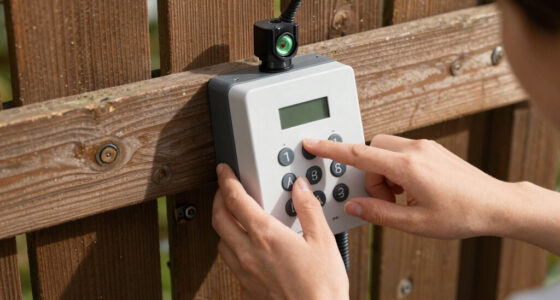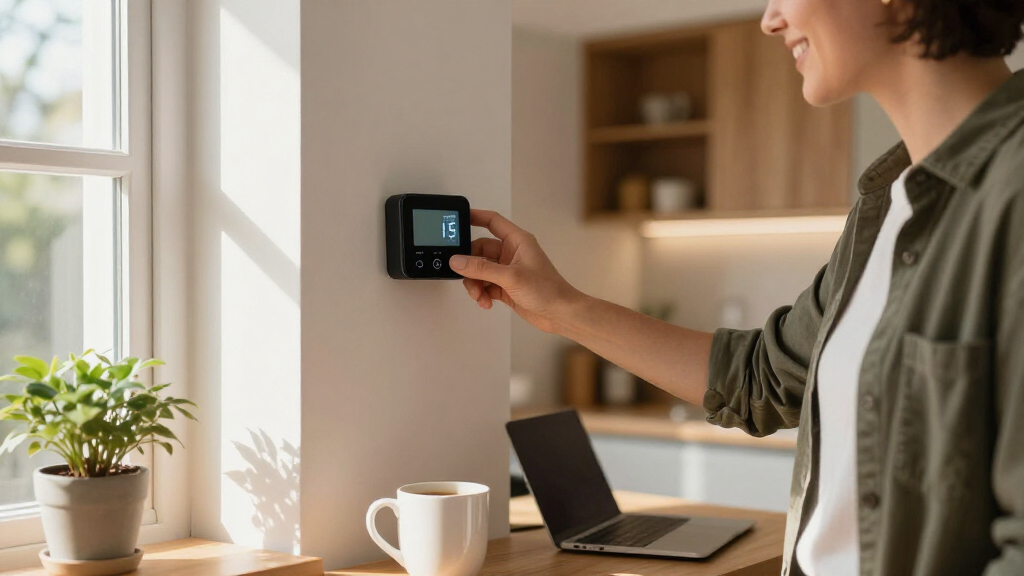

When it comes to managing your home’s energy use efficiently, programmable home energy timers offer a simple solution to automate lights, fans, and appliances. The BN-LINK 7 Day Programmable In-Wall Digital Timer stands out as the best overall choice thanks to its reliability and ease of use. For those seeking budget-friendly options, the DEWENWILS Indoor 24 Hour Timer Outlet provides solid features at a lower price. Meanwhile, the Honeywell PLS750C1000 Timer Switch excels with its sunrise/sunset capabilities for outdoor lighting. Keep in mind that tradeoffs often involve balancing complexity, compatibility, and price—more advanced timers may require wiring expertise, while simpler models might lack features you want. Continue reading for a detailed breakdown of each option to find your ideal timer.

Get home appliances delivered free with Prime
- Fast, free delivery on millions of items
- Prime Video, Amazon Music and more included
- Member-only deals all year
Complete the kit



Key Takeaways
- The top-ranked timers combine reliability with user-friendly interfaces, making them suitable for most households.
- External outlets tend to offer more flexible placement but can be less integrated than in-wall models.
- Features like sunrise/sunset control add convenience for outdoor lighting but often come with increased complexity and cost.
- Timers with multiple outlets provide better value for controlling several devices simultaneously.
- Ease of installation is a key factor; models requiring neutral wires are more versatile but may need professional wiring.




More Details on Our Top Picks
BN-LINK 7 Day Programmable In-Wall Digital Timer Switch for Lights and Fans
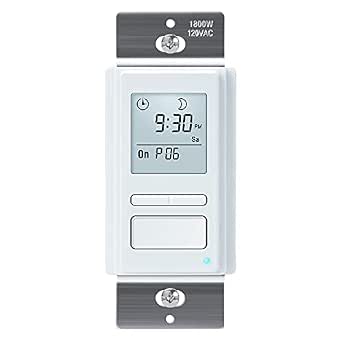
This in-wall timer switch stands out for its extensive 18 ON/OFF settings and 7-day scheduling, making it highly flexible for controlling lights and fans. Unlike the simpler BN-LINK 24H outlet timer, it offers a full weekly plan, ideal for those who want detailed control over multiple devices. However, its installation requires a neutral wire and some technical knowledge, which could pose a challenge for beginners. Its support for both manual and automatic modes, along with a backup battery, ensures reliability during outages. This makes it suitable for homeowners seeking comprehensive scheduling, especially in permanent wiring setups. Compared to other in-wall options like the ENERLITES HET01-C-W, this model provides more programming flexibility but involves more complex setup.
Pros:- Supports 18 programmable ON/OFF settings for detailed control
- 7-day scheduling allows customization for each day
- Supports manual override and automatic operation modes
- Includes backup battery to retain settings during outages
Cons:- Neutral wire required for installation, limiting compatibility
- Setup can be complex and intimidating for beginners
Best for: Homeowners with existing neutral wiring who want detailed weekly control of lights and fans
Not ideal for: Renters or DIYers with limited electrical experience, due to complex installation requirements
- Operation Mode:MANUAL-AUTO
- Current Rating:15 A
- Operating Voltage:125 volts
- Contact Type:Normally Open
- Wattage:1875 watts
- Mounting Type:Wall Mount
- Control Method:Push Button
- Number of Positions:18
Our verdict“This switch is best suited for homeowners comfortable with wiring who need flexible, detailed scheduling for multiple days.”
BN-LINK Indoor 7-Day Programmable Digital Timer Outlet, 2 Outlets, 2 Pack
This 2-pack of timers offers a straightforward way to automate two indoor devices with up to 8 on/off programs each, making it ideal for controlling lamps or holiday lights. Unlike the more advanced Ortis model with sunrise/sunset features, these timers focus on simplicity and ease of use, perfect for quick setups. The backup battery ensures settings are preserved during power outages, a critical feature not always present in budget timers. However, their outlets are controlled simultaneously, which limits independent scheduling, and they are only suitable for 120V applications. This pick makes sense for those wanting reliable, basic scheduling without complex features, especially in multi-device indoor settings. They are less suited for those needing independent outlet control or higher voltage compatibility.
Pros:- Allows up to 8 daily on/off programs per outlet
- Backup battery preserves settings during outages
- Includes vacation mode for home security
- Pack of two provides good value for multi-device control
Cons:- Outlets are controlled simultaneously, not independently
- Limited to 120V applications
Best for: Indoor users seeking an easy-to-set, cost-effective solution for controlling multiple indoor devices
Not ideal for: Users needing independent outlet scheduling or higher voltage capacity, as these are limited to 120V and controlled together
- Voltage:120V
- Frequency:60Hz
- Current:15A
- Power:1725W
Our verdict“This timer set is ideal for budget-conscious users who want simple, reliable scheduling for indoor devices without complex features.”
Ortis 7-Day Programmable In-Wall Timer Switch with Sunrise/Sunset Control
The Ortis timer excels in offering up to 49 customizable programs and automatic sunrise/sunset control, making it ideal for outdoor lighting or security-focused indoor applications. Its ability to adjust schedules based on geographic location provides an advanced level of automation that simpler timers lack. The random mode enhances security by simulating occupancy, a feature absent in many basic models like the BN-LINK in-wall timer. However, it requires a neutral wire and has a relatively lower power capacity of 1800W, which could limit use with high-power devices. This model makes the most sense for users who want extensive, location-aware scheduling with security features, but it might be too complex for those unfamiliar with programmable timers or without neutral wiring.
Pros:- Supports up to 49 programs for detailed scheduling
- Automatic sunrise and sunset control based on location
- Random mode enhances security with occupancy simulation
- Easy to program with an intuitive interface
Cons:- Requires neutral wire for installation
- Limited to 1800W capacity, unsuitable for high-power devices
- Setup can be complex for less experienced users
Best for: Homeowners wanting sophisticated outdoor lighting control with sunrise/sunset automation
Not ideal for: Renters or those with high-power devices exceeding 1800W, due to power capacity limits and complex setup
- Supportable Devices:Lights, Fans, Appliances
- Power Capacity:1800W
- Modes:Automatic, Sunrise/Sunset, Random
- Display:Backlit LCD
- Wiring:Neutral wire required
Our verdict“This timer is best suited for users seeking advanced outdoor lighting control with security features and location-based automation.”
BN-LINK Indoor 24H Programmable Digital Timer Outlet, 2 Pack
This pair of timers provides a simple method for scheduling indoor devices on a daily cycle, making it perfect for lamps, fans, or holiday lights. Its straightforward setup and digital display make it accessible for most users, and a backup battery ensures settings are retained during outages. Compared to the more complex Ortis model, these timers lack sunrise/sunset automation but excel in ease of use and compact design. Their non-grounded two-prong outlets limit safety and compatibility in some homes, and manual programming for each device can be tedious over time. This makes it ideal for those who want quick, reliable daily control without fuss, but less suitable for complex or multi-device setups requiring independent outlet scheduling.
Pros:- Simple to set up with a clear digital display
- Supports two daily repeating on/off programs
- Backup battery preserves settings during power outages
- Compact design prevents blocking adjacent outlets
Cons:- Limited to indoor use only
- Non-grounded design may be less safe in some applications
Best for: Indoor users who want a quick, reliable timer for daily routines with minimal setup
Not ideal for: Users needing independent outlet control or high-power applications, due to limited capacity and design
- Number of timers:2
- Programming:2 daily repeating on/off programs
- Modes:ON, AUTO, OFF
- Display:Digital
- Power rating:125V/15A
Our verdict“This timer is best suited for users who want simple daily scheduling for indoor devices with minimal installation effort.”
ENERLITES HET01-C-W Programmable Digital Timer Switch for Lights, Fans, Motors, 7-Day, 18 ON/OFF Settings, Single Pole, Neutral Wire Required
The ENERLITES HET01-C-W offers a solid balance of flexibility and simplicity, supporting 18 timer settings across a 7-day schedule, making it suitable for controlling a variety of indoor devices like fans or motors. Its single-pole design simplifies installation compared to the Ortis, but it still requires a neutral wire, similar to the BN-LINK in-wall switch. While it doesn’t feature sunrise/sunset automation or random modes, its straightforward setup and reliable operation make it a good choice for users who need regular, scheduled control without complex features. Compared to the BN-LINK in-wall switch, it offers a slightly more streamlined interface, but lacks advanced automation options.
Pros:- Supports 18 programmable ON/OFF settings for weekly control
- Easy to install with straightforward wiring
- Backup battery preserves schedules during outages
- Compatible with a variety of devices, including fans and motors
Cons:- Requires neutral wire for installation
- No sunrise/sunset or random security modes
Best for: Homeowners needing flexible, reliable control of indoor devices in a single-pole setup without extra automation features
Not ideal for: Users wanting location-based or occupancy simulation features, or those without neutral wiring
- Operation Mode:ON-OFF-ON
- Current Rating:15 A
- Operating Voltage:120 volts
- Contact Type:Normally Open
- Wattage:1800 watts
- Mounting Type:Through Hole
- Control Method:Push Button
Our verdict“This timer is well-suited for users seeking reliable weekly control with simple installation and no frills.”
BN-LINK Indoor 7-Day Programmable Digital Timer Outlet, 2 Outlets
This model stands out for its 8 programmable on/off settings and backup battery, making it a solid choice for those who want reliable, customizable control over multiple devices. Unlike the ENERLITES switch, which is better suited for wall-mounted control, the BN-LINK outlet offers greater flexibility with multiple outlets and pre-set modes. However, with only two outlets and a wattage limit of 1875W, it may fall short for larger setups or high-power appliances. The inclusion of daylight savings adjustment and ETL safety certification adds to its appeal, especially for users seeking dependable operation. Compared to outdoor timers like the B08GQGM6CR, this indoor version is less weatherproof but more straightforward for indoor appliance scheduling.
Pros:- Allows up to 8 customizable on/off programs for tailored scheduling
- Includes backup battery to preserve settings during power outages
- Features pre-set modes and daylight savings adjustment for convenience
- ETL listed for safety and reliability
Cons:- Limited to just 2 outlets, restricting larger device setups
- Maximum wattage of 1875W may be insufficient for high-power appliances
Best for: Homeowners wanting flexible, reliable control for multiple indoor devices, including holiday lighting or security lights.
Not ideal for: Large households with many high-power devices or outdoor setups requiring weatherproof features, as it only offers two outlets and is designed for indoor use.
- Number of Outlets:2
- Programmable On/Off Programs:8
- Voltage:120V
- Frequency:60 Hz
- Current Rating:15A
- Wattage:1875W
Our verdict“Ideal for users seeking a dependable, flexible indoor timer with multiple daily schedules and backup power, but not suited for heavy-duty or outdoor applications.”
ENERLITES Programmable Digital Timer Switch for Lights, Fans, Motors, 7-Day 18 ON/OFF Timer Settings, Single Pole, Neutral Wire Required, UL Listed, HET01-C, White, 2 Pack
This switch makes a compelling case for those who want to control wall-mounted fixtures with precise scheduling, featuring 18 customizable on/off settings for a full week. Compared to the BN-LINK outlet, it’s designed to replace existing switches, saving space and providing seamless integration into home wiring. Its requirement for a neutral wire may limit installation options for older homes, but for new builds or rewires, it’s a straightforward choice. The UL listing offers peace of mind, and its manual control adds flexibility. While the BN-LINK outlet excels for appliance control, the ENERLITES switch offers more integrated, permanent control for lighting and fans.
Pros:- Allows for detailed weekly scheduling with 18 ON/OFF programs
- Backup Ni-MH battery preserves settings during outages
- Suitable for controlling lights, fans, and motors directly at the switch
- UL listed for safety and compliance
Cons:- Requires neutral wire, limiting compatibility with some homes
- Limited to resistive and tungsten loads, not suitable for all motor loads
Best for: Homeowners installing new switches or upgrading existing wall switches for automated lighting or fan control.
Not ideal for: Renters or those with older homes lacking neutral wiring, as installation may be impossible or complicated without rewiring.
- Timer Settings:18 ON/OFF
- Voltage:120VAC
- Current:15A
- Installation:Single Pole, Neutral wire required
- Certifications:UL/CUL
- Includes:Wall plate
Our verdict“Best suited for users seeking integrated, wall-mounted control over lighting and appliances with detailed weekly schedules, assuming proper wiring.”
BN-LINK 7 Day Programmable In-Wall Digital Timer Switch for Lights and Fans
This in-wall timer offers up to 18 ON/OFF programs and is compatible with both single-pole and 3-way circuits, making it more versatile than the B00MVF16JG indoor outlet. Its push-button control and digital display simplify programming, but the absence of a backlight can make setup difficult in dim environments. The backup battery ensures schedules stay active during outages, and its compatibility with lights, fans, and motors makes it suitable for various applications. Compared to the outdoor B08GQGM6CR, this model is designed specifically for indoor control, but it supports complex multi-location switching setups.
Pros:- Supports up to 18 ON/OFF programs for detailed weekly control
- Works with single-pole and 3-way wiring configurations
- Backup battery retains schedules during outages
- Compatible with multiple device types, including fans and motors
Cons:- No backlight, making programming difficult in low light
- Requires professional installation and neutral wire
Best for: Homeowners seeking a flexible, wall-mounted timer with multi-way switch compatibility and detailed scheduling options.
Not ideal for: Users without neutral wiring or those preferring remote or plug-in timers, as it requires in-wall installation and neutral wiring.
- Operation Mode:ON-OFF-ON
- Number of Programs:18
- Voltage:120VAC
- Current Rating:15A
- Control Type:Push Button
- Includes:Wall plate
Our verdict“Ideal for users wanting a versatile in-wall timer that integrates seamlessly with multi-location switches, provided wiring conditions are met.”
BN-LINK 7 Day Programmable Astronomical In-Wall Timer Switch for Lights
This timer automates outdoor lighting with sunrise and sunset adjustments, making it ideal for security and energy savings. Supporting up to 18 programmable schedules, it offers advanced control over exterior lights, fountains, or landscape features. Its ability to automatically adjust for daylight savings provides convenience, but installation requires a neutral wire and a good understanding of outdoor wiring. Compared to the indoor models like the BN-LINK outlet, this timer is designed for outdoor use, with weatherproof features and a focus on outdoor lighting automation. The random mode adds an extra layer of security by mimicking occupancy.
Pros:- Automatically adjusts lights based on sunrise and sunset times
- Supports up to 18 programmable schedules for detailed control
- Includes daylight savings and random security modes
- Backup battery preserves settings during power outages
Best for: Homeowners aiming to automate outdoor lighting or landscape features based on natural daylight hours, with outdoor wiring available.
Not ideal for: Homes without neutral wiring or those unfamiliar with outdoor electrical work, due to installation complexity.
- Maximum Load:15A/1875W
- Voltage:125VAC
- Frequency:60Hz
- Installation Type:Single pole
- Neutral Wire Required:Yes
- Weatherproof:Yes
Our verdict“Best for outdoor lighting automation that mimics natural daylight cycles, assuming proper installation conditions.”
BN-LINK Outdoor 7-Day Programmable Timer Outlet, 2 Outlets
This outdoor timer provides two weatherproof outlets with customizable schedules, making it ideal for holiday lights, fountains, or yard decorations. Its digital display and backup battery ensure that settings are preserved during power interruptions, and the maximum load of 15A/1875W matches most outdoor devices. Compared with the indoor BN-LINK outlet, this model emphasizes weather resistance, though it still only offers two outlets, which might limit larger outdoor setups. The ability to program up to 8 on/off cycles adds to its flexibility, but some users find the programming interface less intuitive.
Pros:- Weatherproof design suitable for outdoor environments
- Supports up to 8 programmable on/off cycles per week
- Digital display with backup battery maintains settings during outages
- Simple control for outdoor lighting and garden features
Cons:- Limited to 2 outlets, restricting larger outdoor setups
- Some users report difficulty programming the timer
Best for: Garden enthusiasts or holiday decorators needing a weatherproof timer to automate outdoor decorations and landscape features.
Not ideal for: Large outdoor setups requiring multiple outlets or higher wattage, as it only provides two outlets and limited expandability.
- Rate Voltage:125V, 60Hz
- Max Load:15A, 1875W
- Weatherproof:Yes
- Number of Outlets:2
- Programmable Programs:up to 8
- Backup Battery:Yes
Our verdict“Perfect for outdoor lighting and decoration automation in weather-exposed environments, with some programming learning curve.”
Honeywell PLS750C1000 Timer Switch with Sunrise Sunset, Single or 3-Way
This Honeywell model excels in providing reliable scheduling and sunrise/sunset automation for standard 120V lighting setups. Compared with the Southwire Astronomical Timer, it offers more robust support for 3-way circuits, making it ideal for multi-switch lighting configurations. However, it lacks smart connectivity or Wi-Fi features, limiting remote control options. Its push button operation and screw terminal connections make installation straightforward for those comfortable with basic wiring, but it’s not suitable for anyone seeking integrated smart home control or wireless features. If you want a simple, offline timer for traditional lighting, this model delivers sturdy performance, but it isn’t designed for modern, connected homes.
Pros:- Supports sunrise/sunset automation, reducing manual adjustments
- Compatible with 3-way lighting circuits for flexible installation
- Easy push button operation simplifies setup
Cons:- Limited to 120V AC circuits, restricting use to certain homes
- No smart features or remote control capabilities
- Requires wall mounting and screw connections, which may be complex for some users
Best for: Homeowners with 3-way lighting setups who prefer basic manual control with scheduled automation
Not ideal for: Smart home enthusiasts seeking Wi-Fi connectivity or app-based control
- Operation Mode:ON-NONE-ON
- Current Rating:29 A
- Operating Voltage:120 volts
- Contact Type:Normally Open
- Circuit Type:3-way
- Mounting Type:Wall Mount
- Control Method:Touch
- Wattage:3480 watts
Our verdict“This timer is ideal for users who need reliable, straightforward scheduling for traditional 3-way lighting without smart features.”
Southwire Woods Indoor Plug-In Astronomical Timer – 2 Grounded Outlets, Programmable Daily Schedules
Compared to the Dewenwils digital timer, the Southwire Woods timer offers a straightforward plug-in solution ideal for automating lamps, fans, and small appliances. Its astronomical clock and programmable schedules make it a good choice for energy saving and security, especially for users who prefer a simple setup without wiring. However, it’s strictly for indoor use, and the lack of Wi-Fi or remote control limits flexibility. While easy to set up, some users might find programming cumbersome without a clear display or app interface. This device makes sense for those who want a plug-and-play timer with basic scheduling, but it won’t meet the needs of someone looking for remote access or smart home integration.
Pros:- Automates appliances with customizable daily schedules
- Features two grounded outlets for multiple device control
- Simple to set up using the astronomical clock
Cons:- Limited to indoor environments only
- No Wi-Fi or app control options available
- Programming can be confusing without a digital display
Best for: Homeowners seeking an easy-to-use, plug-in timer for indoor appliances and lighting
Not ideal for: Users wanting remote control or smart home connectivity
- Brand:Woods
- Model Number:50029WD
- Number of Outlets:2
- Type:Indoor 7 Day Digital Timer
- Color:White
- Power:120V
- Features:Programmable daily schedules
Our verdict“This timer is best for users who want reliable, scheduled control of indoor devices without the complication of smart features.”
DEWENWILS Indoor 24 Hour Programmable Digital Timer Outlet, 2 Pack
The Dewenwils timers stand out for their compact, modern design and silent operation, making them suitable for bedrooms or living areas. They allow programming of three daily schedules, offering enough flexibility for most indoor automation needs. Unlike the Southwire timer, they include a memory function that preserves settings during power outages, which is a plus for reliability. Compared to the Southwire model, the Dewenwils timers are more discreet and less visually intrusive. However, they do not feature Wi-Fi or remote control, limiting convenience for tech-savvy users. These timers are perfect for users who prioritize a sleek look and quiet operation, but they aren’t fit for those seeking remote access or integration into a smart home system.
Pros:- Allows three programmable daily schedules for versatile automation
- Sleek, compact design doesn’t block other outlets
- Memory function preserves schedules during outages
Cons:- Limited exclusively to indoor use
- Requires manual setup for programming
- No Wi-Fi or remote control features
Best for: Individuals wanting a compact, silent timer for bedroom or living room lighting and appliances
Not ideal for: Smart home owners requiring remote control or app integration
- Number of Outlets:2
- Voltage:125V
- Frequency:60Hz
- Current:15A
- Power:1000W
- Programmable Schedules:3
- Memory Duration:up to 3 months
Our verdict“This timer is ideal for those who want discreet, silent indoor automation with flexible daily scheduling without smart home features.”
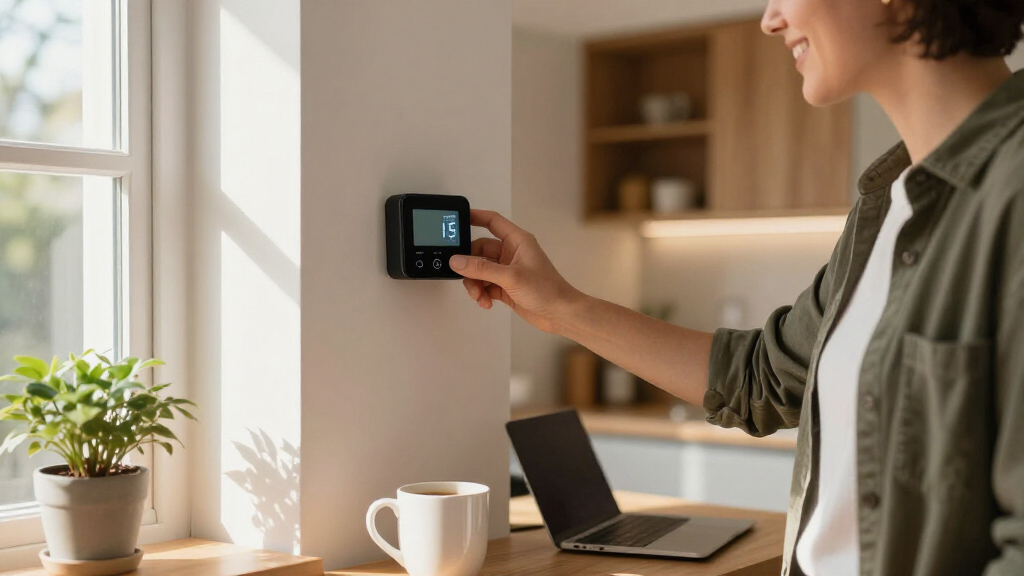
How We Picked
To evaluate these programmable home energy timers, I focused on performance, usability, build quality, and value. I prioritized timers that reliably execute schedules without glitches and are easy to program, even for non-technical users. Durability and safety certification, such as UL listing, also influenced the rankings. Compatibility with different wiring setups and the flexibility of scheduling options were key considerations, especially for outdoor or complex setups. By comparing these factors across the products, I aimed to highlight options that balance features with practical use, ensuring a fair ranking based on real-world needs.Factors to Consider When Choosing Programmable Home Energy Timers
Choosing the right programmable home energy timer depends on your specific needs and installation environment. To make an informed decision, consider factors like compatibility, ease of use, and feature set. This guide will walk you through the key considerations to ensure you pick a timer that delivers reliable automation and integrates smoothly into your home setup.Compatibility and Installation
Before choosing a timer, confirm whether it’s designed for in-wall installation or outdoor use, and check if it requires a neutral wire—many older homes lack these, limiting your options. Outlets-based timers are easier to install but offer less integration and may clutter your space. In-wall timers often provide a cleaner look but might need professional wiring, especially for models with advanced features. Understanding your wiring setup and placement needs helps prevent compatibility issues and future upgrades or replacements.
Ease of Programming
Look for timers with intuitive interfaces—digital displays and simple controls save time and frustration. Some models support weekly schedules, sunrise/sunset adjustments, or astronomical timing, which can be very handy but also add complexity. Consider your comfort level with technology; a straightforward timer might be better if you prefer set-and-forget simplicity. Remember that a well-designed interface can significantly reduce setup errors and improve daily reliability.
Features and Flexibility
Beyond basic on/off scheduling, advanced features like multiple ON/OFF cycles, randomization, or solar syncing can enhance energy savings and security. However, these features often come with higher costs and steeper learning curves. Decide which features are must-haves—if outdoor lighting is your focus, timers with sunrise/sunset control are worth considering. For controlling multiple devices, multi-outlet timers offer better value, but ensure they support independent scheduling for each outlet if needed.
Durability and Safety
Timers exposed to outdoor elements or frequent use should have weatherproofing and UL listing to meet safety standards. In-wall timers must be rated for continuous operation and proper load handling. Investing in a durable, well-certified product reduces risks of short circuits or fire hazards. It’s also wise to check customer reviews for insights on long-term reliability, especially for models with complex wiring or outdoor installation.
Cost vs. Value
While budget models can handle basic scheduling, investing in a slightly more expensive timer often yields better reliability, more features, and easier installation. Consider how much you value convenience, advanced control, and durability. Sometimes paying more upfront can prevent costly replacements or upgrades later. Balance your budget with your specific needs—don’t overspend on features you won’t use, but don’t settle for a timer that might fail or lack essential functions.
Frequently Asked Questions
Can I install a programmable timer myself or should I hire an electrician?
Many programmable timers, especially outlet-based models, are designed for DIY installation and come with clear instructions. However, in-wall timers that require wiring modifications, especially those needing a neutral wire or outdoor installations, might be better handled by a professional electrician. Ensuring proper wiring and safety compliance reduces risks of malfunction or hazards. If you’re unsure about electrical work, consulting an electrician can save time and prevent costly mistakes.
Are outdoor timers weatherproof and suitable for harsh conditions?
Outdoor timers should be specifically rated for weather resistance, often marked as weatherproof or waterproof. Look for models with an IP rating indicating resistance to dust and water ingress. Even if a timer is marked for outdoor use, proper installation in sheltered locations extends its lifespan. Regular maintenance and inspection help ensure continued reliable operation in challenging weather conditions.
Do I need a timer if I already have smart home automation?
Timers are a straightforward, cost-effective way to automate basic functions without the complexity of smart home setups. If you already have a robust smart home system, timers could still serve as backup automation or be used in areas where smart tech isn’t practical. However, smart systems offer more control and remote scheduling, making them preferable for tech-savvy users seeking detailed customization. The choice depends on your comfort with technology and your automation goals.
How important is a timer’s scheduling flexibility?
Scheduling flexibility allows you to tailor device operation precisely to your routine, saving energy and increasing convenience. Timers with multiple daily ON/OFF cycles or astronomical adjustments can match your lifestyle better, but they may be more complex to set up. Simpler timers with single daily schedules are easier but less adaptable. Consider your daily patterns to determine how much flexibility you need from your timer.
Will a timer save me money on my energy bills?
Yes, programmable timers can reduce energy consumption by ensuring devices only run when needed, preventing waste from leaving appliances on accidentally. Outdoor timers for outdoor lighting, for example, can prevent lights from staying on all night. While the savings vary based on usage, consistent scheduling with a quality timer generally offers a quick return on investment. Combining timers with energy-efficient devices amplifies these savings.
Conclusion
For most homeowners, the BN-LINK 7 Day Programmable In-Wall Digital Timer offers a reliable, easy-to-use solution that balances features with affordability, making it the best overall pick. Budget-conscious users will appreciate the DEWENWILS Indoor 24 Hour Timer Outlet for straightforward control without breaking the bank. Those seeking outdoor automation with sunrise/sunset features should consider the Honeywell PLS750C1000 Timer Switch. If you prefer a plug-in model or need to control multiple devices, a multi-outlet timer like the Southwire Woods Indoor Plug-In Astronomical Timer makes sense. Your choice ultimately depends on your technical comfort, installation environment, and desired features.
As an affiliate, we earn on qualifying purchases.Fall yard work Picks
leaf blowers