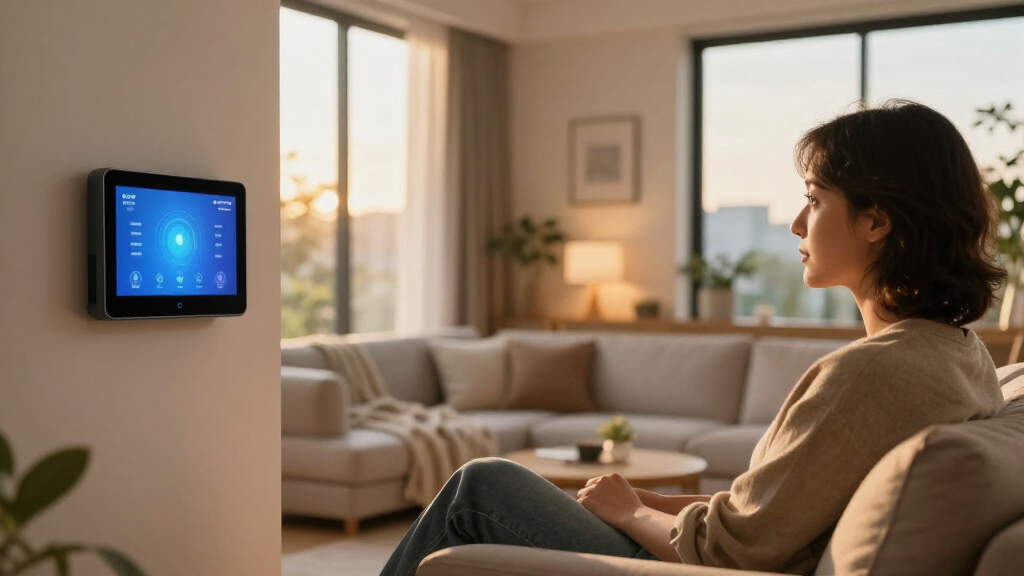

Smart home automation hubs are the central controllers that connect and manage your entire smart home ecosystem. The best options, like the Homey Pro, offer broad device compatibility and advanced automations, while more affordable picks such as the Aqara Smart Hub M100 focus on essential features. Key tradeoffs often involve balancing ease of use against customization, or cost versus versatility. Continue reading for a detailed breakdown of the top contenders and how to pick the right hub for your needs.
Complete the kit

Key Takeaways
- The top hubs offer extensive protocol support, such as Zigbee, Z-Wave, and Matter, which broadens device compatibility.
- Local control capabilities are a significant advantage for reliability and speed, especially in the event of internet outages.
- Premium models tend to include advanced automation features and better build quality, justifying higher prices for power users.
- Ease of setup and user interface consistency vary widely, making some hubs more beginner-friendly than others.
- Tradeoffs between price and features are common; the most expensive hubs often provide the most future-proof and versatile options.
| Aqara Smart Home Hub M3 with Matter Support, IR Blaster, and Multi-Protocol Connectivity |  | Best Overall for Versatile Protocol Support and Privacy | Protocols Supported: Zigbee, Thread, Matter | Device Capacity: 127 Zigbee, 127 Thread devices | Connectivity: Wi-Fi 2.4/5 GHz, PoE, USB-C | VIEW LATEST PRICE | See Our Full Breakdown |
| Homey Pro Mini | Smart Home Hub with Zigbee, Ethernet, Matter & Thread |  | Best for Customizable Automations and Broad Ecosystem Support | Protocols Supported: Zigbee, Matter, Thread, Ethernet | Compatibility: Siri, Alexa, Google Assistant | Automation Features: Homey Flow, routines, workflows | VIEW LATEST PRICE | See Our Full Breakdown |
| Hubitat Elevation C-8 Pro Smart Home Hub, Local Control and Automations |  | Best for Power Users Needing Fast, Local Automations | Product Dimensions: 2.95 x 3.23 x 0.67 inches | Item Weight: 2.56 ounces | Processor: 2.0 GHz | VIEW LATEST PRICE | See Our Full Breakdown |
| Home Assistant Green Smart Home Hub with Advanced Automation |  | Best for Tech-Savvy DIY Enthusiasts and Expandability | Processor: Quad-core | Storage: 32GB | RAM: 4GB | VIEW LATEST PRICE | See Our Full Breakdown |
| Aqara Smart Hub M200, Matter Controller with Zigbee, Wi-Fi, IR, PoE |  | Best for Versatile Protocol Support with PoE and IR Control | Protocols Supported: Zigbee, Thread, Wi-Fi, IR, Matter | Device Capacity: 40 Zigbee, 40 Thread devices | Connectivity: Wi-Fi 2.4/5 GHz, PoE, USB-C | VIEW LATEST PRICE | See Our Full Breakdown |
| SmartThings Hub 3rd Generation Smart Home Automation Hub |  | Best Overall for Broad Compatibility and Ease of Integration | Compatibility: Alexa, Google Home | Protocols: Zigbee, Z-Wave, Cloud to Cloud | Color: White | VIEW LATEST PRICE | See Our Full Breakdown |
| Homey Pro (2026) Smart Home Hub with Z-Wave Plus, Zigbee, Wi-Fi, BLE, Infrared, Matter & Thread |  | Best for Advanced Automation and Extensive Protocol Support | Protocols Supported: Z-Wave Plus, Zigbee, Wi-Fi, BLE, Infrared, Matter, Thread | Device Compatibility: Over 50,000 devices from 1,000+ brands | Features: Local processing, real-time insights, energy monitoring | VIEW LATEST PRICE | See Our Full Breakdown |
| Aqara Smart Hub M100 for Home Automation, Matter Controller, Wi-Fi |  | Best Compact Multi-Protocol Hub with Local Automation | Compatibility: Aqara Zigbee and Thread devices | Supported Devices: Up to 20 Zigbee, 20 Thread | Connectivity: Wi-Fi 6, Zigbee, Thread | VIEW LATEST PRICE | See Our Full Breakdown |
| smart home automation hub | Protocols Supported | Connectivity |
|---|---|---|
| Aqara Smart Home Hub M3 with M | Zigbee, Thread, Matter | Wi-Fi 2.4/5 GHz, PoE, USB-C |
| Homey Pro Mini | Smart Home Hu | Zigbee, Matter, Thread, Ethernet | — |
| Hubitat Elevation C-8 Pro Smar | Z-Wave 800 Series, Zigbee 3.0, Matter 1.5, Bluetooth | Wi-Fi, Ethernet |
| Home Assistant Green Smart Hom | — | USB expandability for Z-Wave, Zigbee, Thread |
| Aqara Smart Hub M200 | Zigbee, Thread, Wi-Fi, IR, Matter | Wi-Fi 2.4/5 GHz, PoE, USB-C |
| SmartThings Hub 3rd Generation | — | — |
| Homey Pro | Z-Wave Plus, Zigbee, Wi-Fi, BLE, Infrared, Matter, Thread | — |
| Aqara Smart Hub M100 for Home | — | Wi-Fi 6, Zigbee, Thread |
More Details on Our Top Picks
Aqara Smart Home Hub M3 with Matter Support, IR Blaster, and Multi-Protocol Connectivity
The Aqara M3 stands out for its support of Zigbee, Thread, and Matter protocols, making it highly adaptable for a broad range of devices. Compared to the Homey Pro Mini, it offers more comprehensive multi-protocol compatibility without requiring additional modules, but it relies on Thread repeaters for Thread device connectivity, which can add complexity. Its local control and automation features emphasize privacy and reliability, especially important for users wary of cloud dependence. The IR blaster adds convenience for controlling air conditioners, though its functionality may vary based on app support and device compatibility. A notable downside is that the power adapter isn’t included, meaning an extra purchase. This pick makes the most sense for users seeking a flexible, privacy-focused hub that supports multiple protocols without extra modules, but it requires some setup effort for Thread networks.
Pros:- Supports multiple protocols including Zigbee, Thread, and Matter for broad device compatibility
- Local automation enhances privacy and reduces reliance on cloud services
- Flexible placement options with PoE, USB-C, and mounting hardware
Cons:- Requires Thread repeaters for full Thread network functionality
- Power adapter not included, adding to initial costs
Best for: Tech-savvy smart home enthusiasts wanting extensive protocol support and local privacy control.
Not ideal for: Casual users or beginners who prefer plug-and-play solutions with included accessories and simpler setup.
- Protocols Supported:Zigbee, Thread, Matter
- Device Capacity:127 Zigbee, 127 Thread devices
- Connectivity:Wi-Fi 2.4/5 GHz, PoE, USB-C
- Storage:8GB encrypted local storage
- IR Blaster:360° with feedback and learning
- Power:PoE, USB-C (adapter not included)
Our verdict“This is an excellent choice for users who prioritize protocol versatility and local control, willing to handle some setup complexity.”
Homey Pro Mini | Smart Home Hub with Zigbee, Ethernet, Matter & Thread
The Homey Pro Mini excels in offering extensive protocol support, including Zigbee, Matter, and Thread, making it ideal for users with diverse device ecosystems. Its compatibility with Alexa, Google Assistant, and Siri allows seamless voice control, while the customizable routines and workflows give power users the ability to craft complex automations. Compared with the Hubitat Elevation C-8 Pro, it offers a more user-friendly setup for automations, though it requires the separate purchase of the Homey Bridge for Z-Wave, Bluetooth, and IR functions—adding extra cost. Its reliance on local control and absence of subscription fees make it appealing for privacy-conscious users. However, automations involving Z-Wave and IR need the Bridge, which could be a barrier for some. This makes it well-suited for those seeking a flexible, multi-protocol hub with a focus on user customization and ecosystem integration.
Pros:- Supports multiple protocols including Zigbee, Matter, and Thread for broad device compatibility
- Integrates with major voice assistants and offers customizable routines
- No subscription fees, with local control for privacy
Cons:- Separate purchase of Homey Bridge needed for Z-Wave, Bluetooth, and IR
- Complex setup for advanced automations
Best for: Advanced users who want extensive device support and customizable automations without ongoing subscription costs.
Not ideal for: Beginners or casual users who prefer an all-in-one device with fewer setup steps and included modules.
- Protocols Supported:Zigbee, Matter, Thread, Ethernet
- Compatibility:Siri, Alexa, Google Assistant
- Automation Features:Homey Flow, routines, workflows
- Backups:Local and cloud backups
- Additional Modules:Homey Bridge (sold separately)
Our verdict“Ideal for tech-savvy users seeking a flexible, multi-protocol hub with extensive automation capabilities and no recurring costs.”
Hubitat Elevation C-8 Pro Smart Home Hub, Local Control and Automations
The Hubitat Elevation C-8 Pro is tailored for users who demand fast response times through local processing. It supports Z-Wave, Zigbee, and Matter, ensuring broad compatibility, while its integration with Alexa, Google Home, and Apple HomeKit offers versatile voice control options. The device’s robust hardware—featuring a 2.0 GHz processor and 2GB RAM—enables it to handle complex automations without lag. Compared with Home Assistant Green, it offers a more straightforward setup for local automations, though it might require more technical knowledge for initial configuration. Its continuous updates and active community support add confidence for long-term use. The main tradeoff is that advanced features and integrations may require familiarity with product documentation, and some device compatibility varies.
Pros:- Processes automations locally for quick response and privacy
- Supports multiple protocols including Z-Wave, Zigbee, and Matter
- Regular software updates and active community support
Cons:- Setup can be complex for less experienced users
- Some device compatibility issues may arise
Best for: Power users and tech enthusiasts who want fast, local automations with broad protocol support.
Not ideal for: Casual users or those seeking a simple, plug-and-play experience with minimal setup.
- Product Dimensions:2.95 x 3.23 x 0.67 inches
- Item Weight:2.56 ounces
- Processor:2.0 GHz
- RAM:2 GB
- Protocols Supported:Z-Wave 800 Series, Zigbee 3.0, Matter 1.5, Bluetooth
- Connectivity:Wi-Fi, Ethernet
Our verdict“Best suited for users comfortable with technical setup who prioritize speed, privacy, and reliable local automations.”
Home Assistant Green Smart Home Hub with Advanced Automation
The Home Assistant Green offers a sleek, fanless design paired with powerful hardware, making it a compelling choice for dedicated DIY smart home users. Its quad-core processor and 32GB storage enable robust local automations with minimal energy use. It supports Z-Wave, Zigbee, and Thread, similar to the Hubitat Elevation C-8 Pro, but emphasizes ease of setup with pre-installed Home Assistant software. While the initial Ethernet connection is necessary, its expandability through USB interfaces allows adding Z-Wave, Zigbee, or Thread devices. Compared to the Homey Pro Mini, it is more straightforward for users comfortable with home automation platforms. Its main limitation is storage capacity, which could be restrictive for large device networks, and it requires Ethernet for initial setup. This option makes sense for those wanting a dedicated, secure hub with flexible automation options and DIY customization.
Pros:- Easy to set up with pre-installed Home Assistant software
- Supports multiple protocols for expandability
- Fanless, energy-efficient, compact design
Cons:- Requires Ethernet connection for initial setup
- Limited storage for large networks
Best for: DIY enthusiasts and tech-savvy users seeking a customizable, energy-efficient hub with local control.
Not ideal for: Beginners or users who prefer plug-and-play solutions with minimal configuration.
- Processor:Quad-core
- Storage:32GB
- RAM:4GB
- Power Consumption:A few watts
- Connectivity:USB expandability for Z-Wave, Zigbee, Thread
Our verdict“Ideal for users comfortable with DIY setup who want a flexible, secure hub with powerful automation capabilities.”
Aqara Smart Hub M200, Matter Controller with Zigbee, Wi-Fi, IR, PoE
The Aqara Smart Hub M200 offers a broad range of protocols, including Matter, Zigbee, Thread, Wi-Fi, and IR, making it suitable for users with diverse device ecosystems. Its support for Matter as a controller and Thread border router adds future-proofing, especially compared to simpler hubs like the Aqara M3. The built-in IR blaster effectively controls air conditioning units, although some features depend on app support and cloud connections. Its PoE capability provides reliable wired power, reducing clutter and ensuring consistent operation, but the power adapter isn’t included, adding to initial setup costs. The device’s local automation capability adds reliability, but some automation features might need cloud connection, which could be a concern for privacy-focused users. This hub fits users wanting a versatile, wired, and wireless setup with a focus on future device compatibility.
Pros:- Supports multiple protocols including Matter, Zigbee, Thread, and IR
- Offers local automation and Matter control for future-proofing
- Flexible connectivity with Wi-Fi, PoE, and USB-C
Cons:- IR functionality limited to controlling air conditioning units, with some features cloud-dependent
- Power adapter not included, requiring extra purchase
Best for: Homeowners with varied device ecosystems seeking a future-proof, PoE-powered hub with IR control.
Not ideal for: Users preferring simple, all-in-one hubs with minimal setup and integrated power supplies.
- Protocols Supported:Zigbee, Thread, Wi-Fi, IR, Matter
- Device Capacity:40 Zigbee, 40 Thread devices
- Connectivity:Wi-Fi 2.4/5 GHz, PoE, USB-C
- Features:Matter Controller, Thread Border Router, IR Blaster, Built-in Speaker
- Power:PoE, USB-C (adapter not included)
Our verdict“Best suited for users needing a versatile, wired hub capable of supporting a wide array of protocols and devices, with reliable power options.”
SmartThings Hub 3rd Generation Smart Home Automation Hub
This version of the SmartThings Hub stands out for its support of both Zigbee and Z-Wave protocols, making it one of the most versatile choices for users who want a unified control point for many brands. Compared with the Homey Pro (2026), it offers a more straightforward setup for beginners, but falls short in supporting as many protocols and advanced automations. Its compatibility with Alexa and Google Assistant ensures voice control is seamless, yet requiring compatible devices and complex setup can be hurdles for those new to smart home tech. The hub’s reliance on compatible devices for full functionality means it’s ideal for those already invested in a compatible ecosystem. It lacks local processing, which could be a concern for users prioritizing privacy. Overall, this hub suits homeowners seeking broad device support with reliable voice integration, willing to tackle a more involved setup process.
Pros:- Supports multiple protocols including Zigbee and Z-Wave for broad compatibility
- Enables remote control and automation via a simple app interface
- Compatible with Alexa and Google Home for voice management
Cons:- Setup can be complex for users unfamiliar with smart hubs
- Dependent on compatible devices for full features and automation capabilities
Best for: Homeowners who want broad device compatibility and seamless voice assistant integration without extensive custom automation needs
Not ideal for: Beginners looking for a plug-and-play solution or users with primarily Zigbee or Z-Wave devices needing advanced automations
- Compatibility:Alexa, Google Home
- Protocols:Zigbee, Z-Wave, Cloud to Cloud
- Color:White
Our verdict“This hub makes the most sense for users who prioritize compatibility and voice control over advanced local automation features.”
Homey Pro (2026) Smart Home Hub with Z-Wave Plus, Zigbee, Wi-Fi, BLE, Infrared, Matter & Thread
The Homey Pro (2026) is designed for users who want a truly centralized smart home experience, supporting over 50,000 devices across multiple protocols, including Z-Wave Plus, Zigbee, Wi-Fi, BLE, Infrared, Matter, and Thread. Unlike the SmartThings Hub, it offers local processing, which enhances privacy and reduces reliance on cloud services—ideal for automations that must run reliably even when internet access is unstable. Its ability to integrate a vast range of devices makes it suitable for highly customized setups, but the initial setup can be daunting for less tech-savvy users. The lack of clear pricing and subscription details might also be a concern for those on a budget. This hub is perfect for serious smart home enthusiasts seeking maximum protocol coverage and robust local automation, but it requires patience and technical comfort during setup.
Pros:- Supports a wide array of protocols including Z-Wave Plus, Zigbee, Wi-Fi, BLE, Infrared, Matter, and Thread
- Local processing ensures privacy and reliable automation without internet dependence
- Can control over 50,000 devices from numerous brands, offering great flexibility
Cons:- Setup process can be complex and intimidating for newcomers
- Limited transparency on pricing or subscription requirements
Best for: Tech-savvy homeowners seeking comprehensive protocol support and local automation for complex smart homes
Not ideal for: Beginners or casual users who prefer simple, plug-and-play solutions without extensive configuration
- Protocols Supported:Z-Wave Plus, Zigbee, Wi-Fi, BLE, Infrared, Matter, Thread
- Device Compatibility:Over 50,000 devices from 1,000+ brands
- Features:Local processing, real-time insights, energy monitoring
Our verdict“This hub suits advanced users who need extensive device support and prioritize local automation over simplicity.”
Aqara Smart Hub M100 for Home Automation, Matter Controller, Wi-Fi
The Aqara Smart Hub M100 stands out for delivering reliable local automation within a compact form factor, supporting Zigbee and Thread protocols. Compared with the SmartThings Hub, it offers a more streamlined setup and flexible power options, making it ideal for smaller spaces or where discreet placement matters. Its Wi-Fi 6 connectivity ensures faster, more stable performance across large coverage areas—up to 2000 sq ft—without sacrificing automation reliability, especially since it supports local processing. However, its compatibility is limited to Aqara devices, which could restrict device variety for users with diverse ecosystems. While some automations still rely on cloud services, this hub’s emphasis on local control makes it suitable for those who prioritize privacy and consistent performance. It’s a strong choice for users who want a reliable, multi-protocol hub that fits into smaller or more integrated smart homes.
Pros:- Supports Zigbee and Thread for versatile device integration
- Enables local automation, reducing reliance on internet connectivity
- Flexible power options and adjustable placement ease setup
Cons:- Limited to Aqara Zigbee and Thread devices, restricting device options
- Requires a 5V⎓0.5A power adapter not included
- Some automation features still depend on cloud connectivity
Best for: Aqara users seeking a compact, reliable hub with local automation and Wi-Fi 6 performance
Not ideal for: Users needing support for third-party Zigbee devices or a broader device ecosystem outside Aqara’s range
- Compatibility:Aqara Zigbee and Thread devices
- Supported Devices:Up to 20 Zigbee, 20 Thread
- Connectivity:Wi-Fi 6, Zigbee, Thread
- Coverage:1500-2000 sq ft
- Power:USB-A port (adapter not included)
- Security Protocol:WPA3
Our verdict“This hub is ideal for Aqara enthusiasts who want reliable local automation with a small footprint and fast Wi-Fi 6 connectivity.”
How We Picked
We evaluated these smart home hubs based on several key criteria: device compatibility across popular protocols like Zigbee, Z-Wave, and Matter; the ability to operate with local control without internet dependence; ease of setup and user interface design; automation capabilities and customization options; build quality and longevity; and value for the price. Our ranking favors devices that balance versatility with user-friendliness, ensuring both power users and novices find suitable options. We prioritized products with active support and ongoing updates, which extend the lifespan and functionality of the hubs.| smart home automation hub | Protocols Supported | Connectivity |
|---|---|---|
| Aqara Smart Home Hub M3 with M | Zigbee, Thread, Matter | Wi-Fi 2.4/5 GHz, PoE, USB-C |
| Homey Pro Mini | Smart Home Hu | Zigbee, Matter, Thread, Ethernet | — |
| Hubitat Elevation C-8 Pro Smar | Z-Wave 800 Series, Zigbee 3.0, Matter 1.5, Bluetooth | Wi-Fi, Ethernet |
| Home Assistant Green Smart Hom | — | USB expandability for Z-Wave, Zigbee, Thread |
| Aqara Smart Hub M200 | Zigbee, Thread, Wi-Fi, IR, Matter | Wi-Fi 2.4/5 GHz, PoE, USB-C |
| SmartThings Hub 3rd Generation | — | — |
| Homey Pro | Z-Wave Plus, Zigbee, Wi-Fi, BLE, Infrared, Matter, Thread | — |
| Aqara Smart Hub M100 for Home | — | Wi-Fi 6, Zigbee, Thread |
Factors to Consider When Choosing Smart Home Automation Hubs
Choosing the right smart home automation hub involves understanding your existing devices, your automation needs, and how much you’re willing to invest. The following factors can help you make an informed decision that balances features, ease of use, and future-proofing.Device Compatibility and Protocol Support
Look for a hub that supports multiple protocols like Zigbee, Z-Wave, and Matter. Compatibility ensures your existing devices will work seamlessly and allows room for expansion without switching hubs later. Some hubs focus on specific ecosystems, which can limit your options and require additional bridges or adapters. Investing in a hub with broad protocol support helps future-proof your smart home setup, but be aware that more complex devices might require dedicated apps or interfaces for management.
Local Control and Reliability
Hubs with local control keep your automation running even if your internet goes down, which is crucial for security and reliability. Devices that rely solely on cloud services can become inaccessible during outages. Consider whether the hub offers robust local automation capabilities and whether it syncs seamlessly with your smart devices. Local control often results in faster response times and fewer issues related to cloud service outages, making it a key factor for dependable smart homes.
Ease of Setup and User Interface
A straightforward setup process and a clear, intuitive interface can make a major difference, especially for beginners. Some hubs provide step-by-step guides and mobile apps that simplify device addition and automation creation. Conversely, more advanced hubs might require technical knowledge, which can be a barrier for casual users. Consider your comfort level with technology and whether the manufacturer offers reliable support and updates to improve usability over time.
Automation Features and Customization
The power of a hub lies in its automation capabilities. Look for options that allow complex routines, conditional logic, and integration with voice assistants. Some hubs excel at fine-tuning automations, while others focus on simplicity. Assess your automation ambitions—if you want granular control, opt for a device with advanced scripting options. Remember, more features often mean a steeper learning curve and higher cost, so match your automation needs with the hub’s capabilities.
Price and Future-Proofing
While budget options can cover basic needs, investing in a more premium hub may provide better longevity and compatibility with upcoming standards like Matter. Cheaper hubs might lack ongoing updates or broader protocol support, limiting their lifespan. Think about your long-term goals—are you planning to expand significantly or add specialty devices? Prioritize hubs that offer firmware updates and active developer support, ensuring your investment remains relevant as the smart home ecosystem evolves.
Frequently Asked Questions
Can I use multiple hubs in my smart home setup?
Using multiple hubs can help in managing different protocols or areas of your home more efficiently. However, it can also introduce complexity, such as needing to manage separate apps or automations. Some hubs can integrate with each other or support bridging certain protocols, which simplifies control. When planning a multi-hub setup, consider whether your automation platform supports cross-hub automations and how you’ll manage device groups across different systems.
Is a more expensive hub always better?
Not necessarily. While higher-priced hubs often offer broader protocol support, advanced automation, and better build quality, they may be more than what a casual user needs. If your smart home is simple, a budget-friendly hub might suffice, especially if it supports the devices you already own. Conversely, power users with complex automations or future expansion plans should consider investing in premium options that offer greater flexibility and longevity.
Do all smart home hubs support voice assistant integration?
Most modern hubs do support voice assistants like Alexa, Google Assistant, or Siri, but not all do so equally well. Compatibility can depend on the hub’s ecosystem and the devices connected. Some hubs have built-in voice control features, while others require additional integrations or apps. If voice control is a priority, verify that the hub natively supports your preferred assistant and offers reliable voice command execution for automations.
How important is protocol support for future device compatibility?
Protocol support is vital for ensuring your smart home remains flexible and expandable. As new devices and standards emerge, a hub supporting multiple protocols like Zigbee, Z-Wave, and Matter will better accommodate future additions. Relying on a single protocol may limit your options later and could lead to needing a new hub or bridging solutions. Prioritizing multi-protocol compatibility helps protect your investment and simplifies expansion.
Should I choose a hub with a dedicated app or platform?
Having a dedicated app or platform for your hub can significantly streamline device management and automation creation. A well-designed app improves usability, especially for beginners, and often includes helpful setup guides and troubleshooting support. Some hubs also support web interfaces or integrations with popular automation platforms, offering more flexibility for advanced users. Consider whether the app’s interface aligns with your comfort level and how it integrates with your overall smart home ecosystem.
Conclusion
If you’re new to smart home automation, the Aqara Smart Hub M100 offers a simple, affordable starting point with reliable core features. Power users seeking maximum flexibility and automation control should consider the Homey Pro (2026), which supports a broad array of protocols and advanced routines. For those prioritizing local control and security, the Hubitat Elevation C-8 Pro stands out. Budget-conscious buyers can find good value in the SmartThings Hub 3rd Generation, while tech enthusiasts aiming for future-proofing should look at hubs supporting Matter and firmware updates. Your choice depends on your current setup, automation ambitions, and budget.