TL;DR
Open a free Amazon Business account
Business pricing, bulk buying and tax-exempt orders.
Create a free accountAs an affiliate, we earn on qualifying purchases.
Placing lamp timers in key rooms like the living room, entrance, and hallways, combined with random on/off patterns, helps create a convincing appearance of occupancy. Smart lighting enhances this effect and reduces burglary risk.
Imagine returning home after a long day, only to find your house looking eerily empty—lights off, no signs of life. It’s a burglar’s nightmare, and a simple trick can turn your home into a convincing stage of activity. Indoor lamp timers are a straightforward, cost-effective way to fool intruders into thinking you’re home. But here’s the catch: where you place them matters just as much as how you set them. This guide reveals which rooms are best for those timers to maximize your home’s security and keep unwelcome guests at bay.
Whether you’re new to home security or looking to refine your current setup, understanding the strategic placement of indoor lighting can make a real difference. We’ll cover the best rooms to target, how to vary your lighting patterns, and how modern smart systems can take your deterrence game to the next level.
Place timers in the living room, entrances, hallways, and bedrooms for maximum effect.
Use random on/off patterns and vary timing weekly to avoid predictability.
Smart lighting systems offer the best mimicry of real activity thanks to remote control and adaptive scheduling.
Combine indoor timer use with outdoor lighting and other security measures for layered protection.
Never rely solely on lighting; integrate alarms, cameras, and secure locks for comprehensive safety.
Which rooms make burglars believe someone is home? Here’s the secret.
The key to convincing a burglar? Lights in places they expect to see activity. The living room tops the list—it’s the central hub where most families gather, relax, and entertain. Turning on a lamp here during evening hours suggests someone is watching TV or reading. This creates a sense of normalcy and everyday life that intruders associate with a lived-in home.
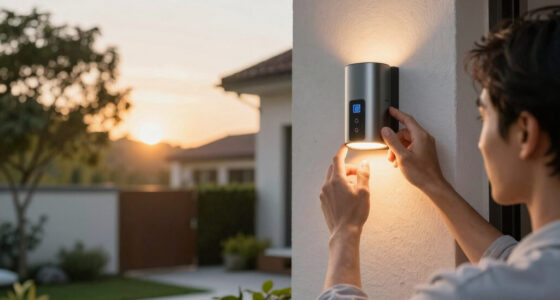
Next are main entrance areas—the porch, hallway, or front door. A lit hallway or porch light signals someone is home, possibly preparing to leave or just arriving. Properly illuminated entrances not only deter intruders by implying occupancy but also make it harder for them to approach unnoticed.
Don’t forget bedrooms. If your home is occupied during the evening or night, lighting in bedrooms gives the impression of a lively, lived-in space. This is particularly effective if the lights flicker or turn on at irregular intervals, mimicking genuine human activity.
Finally, hallways and corridors are often lit at night, especially in larger homes. Timers in these areas add to the illusion of activity, especially if they turn on and off at different times. The more unpredictable the pattern, the less likely burglars are to notice a predictable routine, increasing your home’s security.
Understanding why these specific rooms matter helps you decide where to focus your efforts. Each of these areas is visible from outside or suggests regular human presence, making them critical for creating a convincing occupancy illusion. The tradeoff is balancing energy use and convenience with security — over-illuminating every room may be unnecessary and inefficient, but neglecting key areas can reduce the effectiveness of your deterrence strategy.
indoor lamp timer for home security
As an affiliate, we earn on qualifying purchases.
As an affiliate, we earn on qualifying purchases.
How to set up your indoor lamp timers for maximum impact
- Identify key rooms—living room, entrance, hallways, and bedrooms. Focus on areas visible from outside and those that suggest activity.
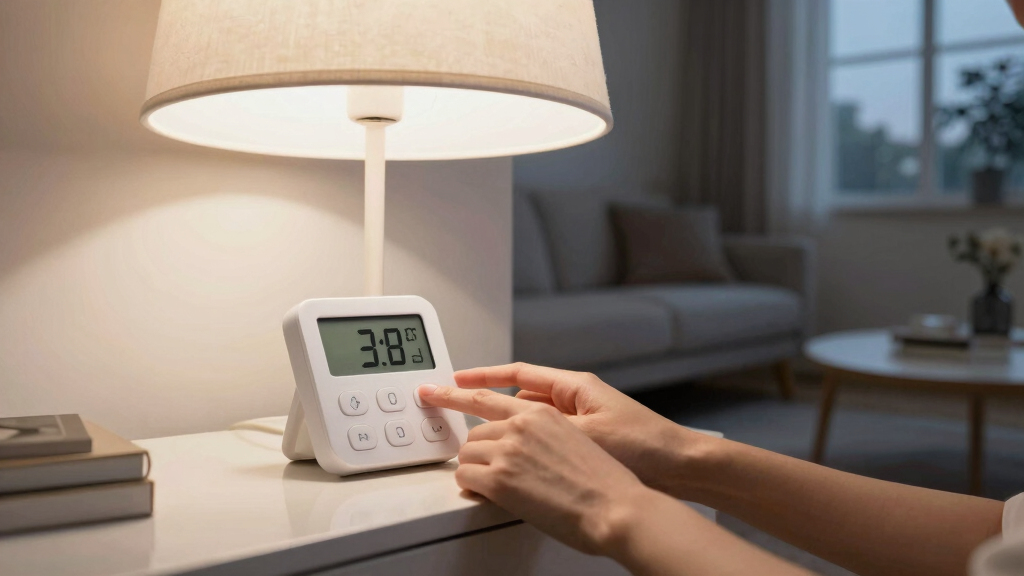
- Program timers to turn lights on during evening hours, around dusk to late evening, aligning with typical human routines.
- Set different timers in each room, avoiding synchronized on/off patterns that look unnatural. Mixing timing creates a more authentic appearance of occupancy.
- Introduce randomness—vary start times and durations weekly. This unpredictability prevents intruders from recognizing a pattern, which is crucial for maintaining an effective deterrence.
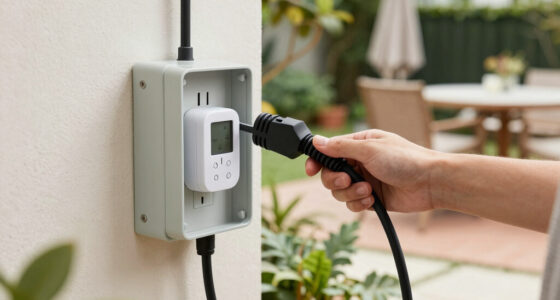
- Combine with outdoor lighting for a layered defense. Use porch lights or pathway lights to reinforce the impression of activity around your home.
For example, your living room lamp might turn on at 7:00 PM for 2 hours, mimicking normal evening activity, while hallway lights flicker on at 7:15 PM for 30 minutes, then off. These subtle variations create a natural, human-like lighting pattern that intruders find convincing. The key is to balance realism with energy efficiency, ensuring your setup is both effective and sustainable.
Remember, the goal is to simulate human presence convincingly without drawing attention through overly predictable or synchronized patterns. Regularly updating and varying your timers helps maintain this illusion over time, reducing the likelihood of intruders spotting a routine.
smart lighting system with remote control
As an affiliate, we earn on qualifying purchases.
As an affiliate, we earn on qualifying purchases.
Comparison: Traditional timers vs. smart lighting — Which keeps burglars guessing?
| Feature | Traditional Timers | Smart Lighting |
|---|---|---|
| Cost | Lower upfront, simple devices | Higher initial investment but more flexible |
| Control | Limited to preset schedules | Remote control via apps, adaptive scheduling |
| Realism | Predictable patterns that can become obvious over time | Can mimic real activity with randomized, variable patterns |
| Ease of use | Set and forget, minimal setup | Requires initial setup, but offers greater customization and adaptability |
Smart lights shine here, offering the ability to dynamically adjust lighting based on your routine, making it harder for burglars to recognize a pattern. Their capacity to create more natural, unpredictable lighting schedules makes them especially effective for long-term security strategies.
Choosing between the two depends on your budget, desired control level, and how much effort you’re willing to invest. While traditional timers are simple and cost-effective, smart lighting provides a more sophisticated and convincing simulation of human activity, which is crucial for deterring seasoned intruders.
As an affiliate, we earn on qualifying purchases.
Why randomizing your lighting schedule makes burglars hesitate
Burglars rely heavily on recognizing patterns. If they observe the same lights turning on and off at the same times every night, they may conclude your home is an easy target or unoccupied. This predictability can give them the confidence to attempt a break-in. Conversely, randomizing your lighting schedule introduces uncertainty, making it difficult for intruders to determine whether your home is actively occupied or not.
For example, your porch light might turn on sometime between 6:45 PM and 7:15 PM, then turn off at a different, unpredictable time each night. Similarly, your living room lights could flicker on for varying durations, sometimes longer, sometimes shorter, and at irregular intervals. This variability mimics genuine human routines, such as someone arriving home late or staying up at different times, which intruders interpret as normal activity rather than a predictable pattern.
The more your lighting schedule mimics natural human behavior, the less attractive your home becomes as a target. This unpredictability forces intruders to spend more time observing and guessing, increasing their risk of detection or failure. The tradeoff is that too much randomness might cause inconvenience or energy inefficiency if not managed carefully, so balancing realism with practicality is key.
As an affiliate, we earn on qualifying purchases.
The perfect setup: Combining room choices, timing, and smart tech for ultimate security
Imagine your home as a stage. Lights in the living room, porch, and hallway turn on in a random, natural rhythm. A smart system adjusts these patterns based on your routine, with occasional manual overrides. This layered approach confuses would-be burglars by creating a convincing illusion of occupancy that adapts to your lifestyle, making it harder for intruders to detect a pattern.
Use timers on multiple devices, vary their on/off times weekly, and include outdoor lighting to reinforce the impression of activity. Incorporate motion-activated lights in high-risk areas to add an extra layer of unpredictability. Remember: the goal is to make your home look lively, not static or overly predictable, which could tip off a potential intruder.
For example, a combination of smart bulbs in the living room, timers in hallways, and outdoor porch lights can create a convincing, ever-changing lighting tapestry that mimics real human activity, deterring potential burglars effectively.
This layered, adaptive approach not only enhances security but also provides peace of mind, knowing your home’s lighting is actively working to protect you without requiring constant manual adjustments.
Frequently Asked Questions
Which rooms should I prioritize for lamp timers to scare off burglars?
Focus on the living room, main entrances, hallways, and bedrooms. These areas are most visible and help create a natural, inhabited look.How can I make my lighting pattern look more realistic?
Use random on/off times, vary which rooms are lit, and occasionally turn lights on/off manually. Smart lighting systems can automate this for you.Are smart lights worth the extra cost over traditional timers?
Absolutely. Smart lights offer more control, remote scheduling, and realistic patterns, making them more effective at deterring burglars.Can lighting alone prevent a break-in?
Lighting is a deterrent, but it’s not foolproof. Combine it with alarms, cameras, and sturdy locks for the best protection.What should I avoid to prevent burglars from noticing a pattern?
Avoid turning all lights on at the same time every night. Use random schedules and change patterns periodically to keep intruders guessing.Conclusion
Your home’s best defense isn’t just locking doors or installing cameras — it’s making it look like someone’s always there. Thoughtful placement of indoor lamp timers, especially in key rooms, can turn your house into a convincing illusion of occupancy. Pair that with randomness and smart tech, and you create a home that keeps intruders guessing and out of your space.
So, next time you set your timers, remember: it’s about simulating life, not just flipping switches. Your house’s appearance of activity is your best silent guard.
Flea & tick season Picks
flea and tick prevention
As an affiliate, we earn on qualifying purchases.