
TL;DR
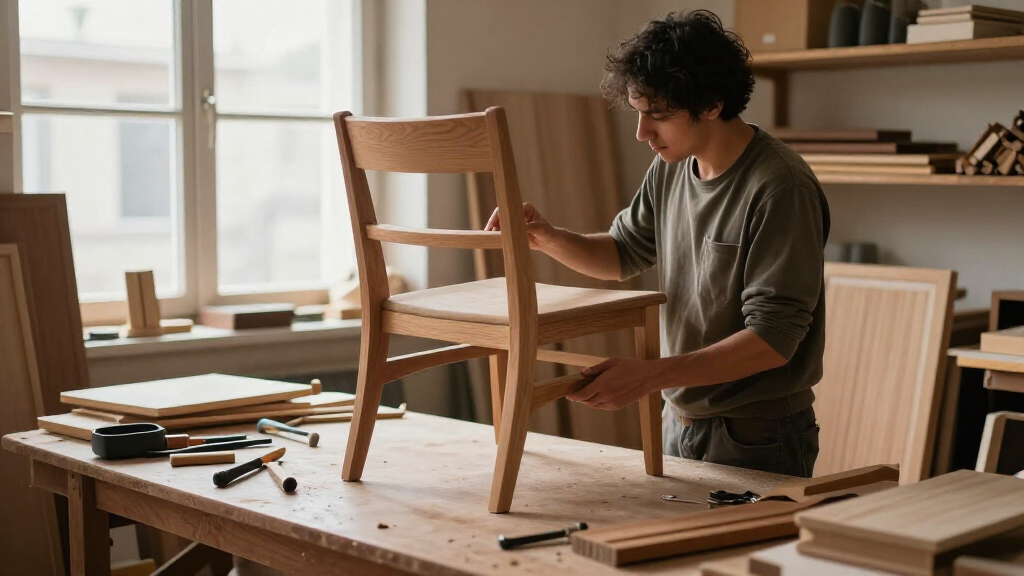
Furniture artisans in Tehran are facing decreased sales due to economic instability and social tensions. They are hopeful that peace and stability will bring more customers. The situation reflects broader economic struggles in Iran.
Furniture makers in Tehran are experiencing a significant decline in sales, with many waiting for peace and stability to restore their business prospects.

Get home appliances delivered free with Prime
- Fast, free delivery on millions of items
- Prime Video, Amazon Music and more included
- Member-only deals all year
This situation highlights the ongoing economic and social challenges in Iran, affecting small businesses and artisans across the capital.
According to local reports from IranWire, Tehran’s furniture industry has seen a sharp drop in customer demand over the past year, attributed to economic hardships, inflation, and social unrest. Many artisans and small business owners say they are operating at minimal capacity, with some even reducing their workforce.
Some furniture makers express hope that a period of peace—both politically and socially—will lead to an increase in consumer confidence and spending. However, there are no clear signs of immediate improvement, and economic sanctions continue to impact Iran’s overall economic stability.
Local officials and industry representatives acknowledge the difficulties but emphasize the importance of stability for long-term recovery. Meanwhile, many artisans remain cautious, awaiting clearer signs of a return to normal economic activity.
Why Tehran’s Furniture Industry Reflects Broader Economic Struggles
The slow recovery of Tehran’s furniture sector illustrates the wider economic difficulties facing Iran, including inflation, sanctions, and social unrest. Small businesses and artisans are particularly vulnerable, and their struggles serve as a barometer for the country’s economic health.
For consumers, the low demand means limited choices and higher prices. For the government, restoring stability could be key to reviving sectors like furniture manufacturing, which are vital for employment and local economies.
Products Worth Considering

Greenworks 24V 8-Tool Cordless Combo Kit with Batteries, Power Bank, and 65W Rapid Charger

Greenworks 60V 17-Inch Cordless Push Lawn Mower Kit

DEWALT 20V MAX Cordless Circular Saw, 6-1/2-Inch (DCS391B)
As an affiliate, we earn on qualifying purchases.
Iran has faced persistent economic difficulties over the past few years, including inflation rates that eroded purchasing power, international sanctions affecting trade, and social unrest stemming from political tensions. These factors have collectively dampened consumer confidence and spending.
Small businesses, including furniture makers, are especially affected, with many reporting decreased orders and financial strain. The sector’s outlook remains uncertain as the country grapples with these ongoing issues, and hopes for peace are intertwined with economic recovery.
“We are waiting for peace and stability; only then can we expect more customers and better sales.”
— Local furniture maker
Unclear Timeline for Economic Stabilization and Recovery
It is not yet clear when Iran will achieve the peace and stability that furniture makers hope for. The political situation remains tense, and economic sanctions persist, making recovery uncertain in the near term.
Experts caution that external factors and internal political developments could influence the timeline, but no definitive signs of improvement are currently visible.
Potential Signs of Recovery and Market Rebound
The coming months will reveal whether political or social developments lead to improved economic conditions in Iran. Industry representatives are watching for signs of increased consumer confidence, government initiatives, or easing of sanctions that could boost demand for furniture and other small businesses.
Additionally, local governments or trade associations may introduce support measures to help artisans survive the current downturn.
Key Questions
What are the main reasons for low demand among Tehran furniture makers?
The primary reasons include economic hardship, inflation, social unrest, and ongoing sanctions, which have reduced consumer spending and confidence.
How long might it take for the furniture industry to recover?
The timeline remains uncertain, dependent on political stability, economic reforms, and the easing of sanctions. Experts suggest recovery could take months or years.
Are there any government measures to support small artisans in Tehran?
There are some initiatives aimed at economic stabilization, but specific support programs for furniture makers are not widely reported. The focus remains on broader economic reforms.
How does the situation in Tehran compare to other sectors in Iran?
Many sectors face similar challenges, including manufacturing, retail, and services, reflecting the overall economic strain in the country.
What external factors influence Iran’s economic recovery?
International sanctions, geopolitical tensions, and global economic conditions play significant roles in shaping Iran’s economic outlook.
Source: local