TL;DR
A House Beautiful report identifies five ways designers are using warmth in interiors in 2026: more visible wood, softer natural stone, sanctuary-like rooms, layered furnishings and lighting, and varied textures. The examples and trend descriptions come from designers interviewed by the publication; the report does not provide market data showing how widely the changes have spread.
House Beautiful’s 2026 report describes five ways interior designers are bringing more warmth into homes: emphasizing natural wood, choosing stone with softer finishes and warmer veining, designing for a sanctuary-like feel, layering furnishings and lighting, and combining varied textures. The article presents these as observations and examples from designers interviewed by the publication, not as findings from a market-wide survey.

Get home appliances delivered free with Prime
- Fast, free delivery on millions of items
- Prime Video, Amazon Music and more included
- Member-only deals all year
The report frames the shift as a move away from interiors dominated by cool neutrals and minimalism toward rooms that feel more personal, layered, and lived-in. Laura Gerber, founder of ODE Design, says warmth is not just a palette or material, but a quality shaped by whether a space feels authentic and comfortable to the people living there.
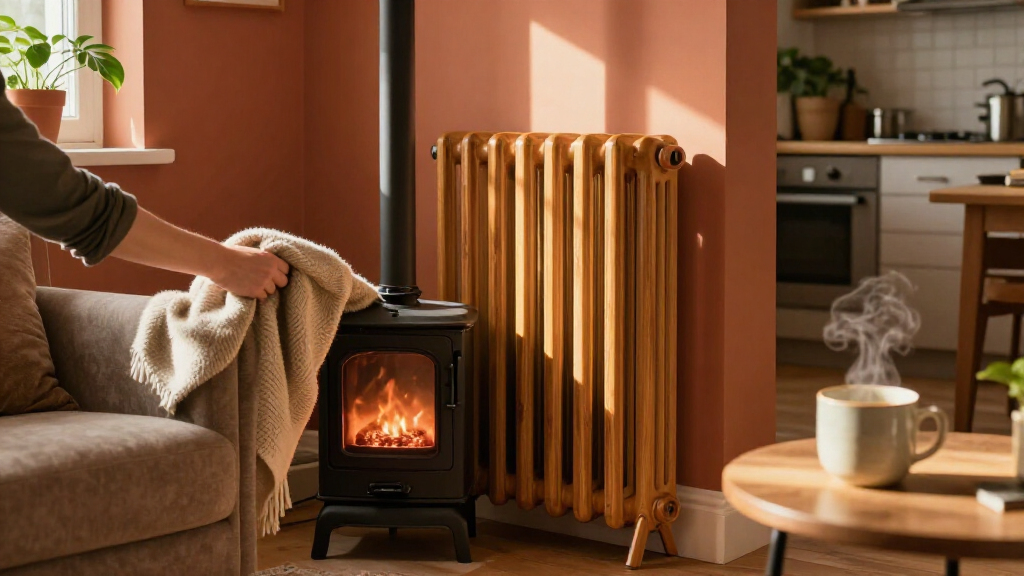
For wood, Rachel Simpson, senior interior designer at Revive Design and Renovation, points to renewed use of white oak, walnut, and rift-cut cabinetry, as well as wood ceilings and paneled walls. The report also describes designers moving from stark white counters toward natural quartzite, travertine, and marble with warmer veining. Simpson says honed stone can feel softer and less glossy than a high-polish finish.
The other approaches focus on how a room is experienced. Charles Greenfeld of Ethan Charles Design describes a client project conceived as a comfortable, contemporary mountain retreat. Ashley Powell of Roseberry Allen cites rugs, wall textures, artwork, draperies, and lighting at different heights as ways to create layers. Jess Klein of Jess Klein Studio says materials such as woven rugs, textured walls, and visible wood grain can add visual depth even when colors remain similar.
How Materials Change a Room’s Feel
The examples matter to readers because they translate an abstract preference for warmer, more inviting homes into specific design choices. A room need not rely on bold colors or a single statement object: the report’s designers describe using grain, stone finish, textiles, art, and lighting to create a more welcoming overall effect.
Those choices can also shape how a space is used and perceived. Layered lighting and comfortable materials may make a room feel more accessible, while natural variation in wood and stone can give understated palettes more visual interest. These are designers’ interpretations of their work, however; the article does not measure how these choices affect residents or establish that they are being adopted across the industry.
Products Worth Considering

DEWALT DWM120K 10-Amp Deep-Cut Portable Band Saw

EGO POWER+ LB6151 Cordless Leaf Blower Kit with 2.5Ah Battery and Charger

EGO POWER+ LM2114 21-Inch Cordless Electric Lawn Mower with Battery and Charger
As an affiliate, we earn on qualifying purchases.
From Cool Neutrals to Layered Rooms
The report situates the trend after years in which cool neutrals and minimalist interiors were prominent. Its central distinction is that warmth now refers not only to color but also to a room’s materials, textures, lighting, and relationship to the people who live there.
Its five approaches are drawn from designer comments and project examples, including a mountain retreat and recommendations for combining rugs, wall treatments, art, drapery, and lighting. The article supplies no survey, sales figures, or historical comparison, so it documents what these experts say they are seeing rather than proving a broad change in the design market.
“Warmth has become more than just a color palette or a particular material. It’s about spaces that feel authentic, comfortable, and reflective of the people who live in them.”
— Laura Gerber, founder of ODE Design
How Broad Is the Shift?
The report does not establish how common these choices are among designers, homeowners, or new projects. It offers expert observations and selected examples but no survey results, sales data, or comparison with earlier years. It also does not specify whether the approaches are new in 2026 or a continuation of changes already underway.
As a result, the five ideas are best read as design directions identified by the interviewed experts, not as a definitive ranking or proof that all homes are moving away from minimalism. The report does not quantify costs or address how readily each material or approach fits different budgets and homes.
Applying the Ideas at Home
The source offers design ideas rather than a forecast, product launch, or announced industry milestone. Readers considering them can start by deciding which elements suit their space: visible wood grain, a less glossy stone finish, or additional texture through rugs, drapery, wall treatments, and art. The designers’ examples suggest treating warmth as a combination of details rather than relying on one focal piece.
No follow-up research or next event is identified in the report. Whether the described preferences become more widespread, and how they change over the rest of 2026, remains to be seen.
Key Questions
What are the five ways warmth is shaping interiors in the report?
The report lists more prominent wood, softer natural stone, sanctuary-like spaces, layered furnishings and lighting, and varied textures.
Does the report say warm design is only about color?
No. ODE Design founder Laura Gerber describes warmth as involving materials, comfort, and a home’s connection to its residents, not just its color palette.
Which wood and stone materials do the designers mention?
Designer Rachel Simpson cites white oak, walnut, and rift-cut cabinetry. The report also mentions quartzite, travertine, and marble with warmer veining, including honed finishes.
Is this a measured industry-wide trend?
The supplied report does not include a survey or market data. It reports observations and project examples from interviewed designers, so its reach across the industry is not established.
Source: housebeautiful.com