
TL;DR
A Livingetc report showcases radiator tables as a way to add a useful surface around existing radiators, especially in narrow hallways and compact rooms. Four examples use different materials and functions, from a marble-topped landing console to a child’s bedroom dressing area; the designs are project-specific, not a single off-the-shelf solution.
Livingetc has profiled four radiator-table designs that add surfaces and storage around existing radiators, with an emphasis on narrow hallways and compact rooms. The examples show how designers have fitted shelves or slim consoles above radiators to make use of otherwise awkward space, while considering heat circulation and, in one project, artwork above the radiator.

Get home appliances delivered free with Prime
- Fast, free delivery on millions of items
- Prime Video, Amazon Music and more included
- Member-only deals all year
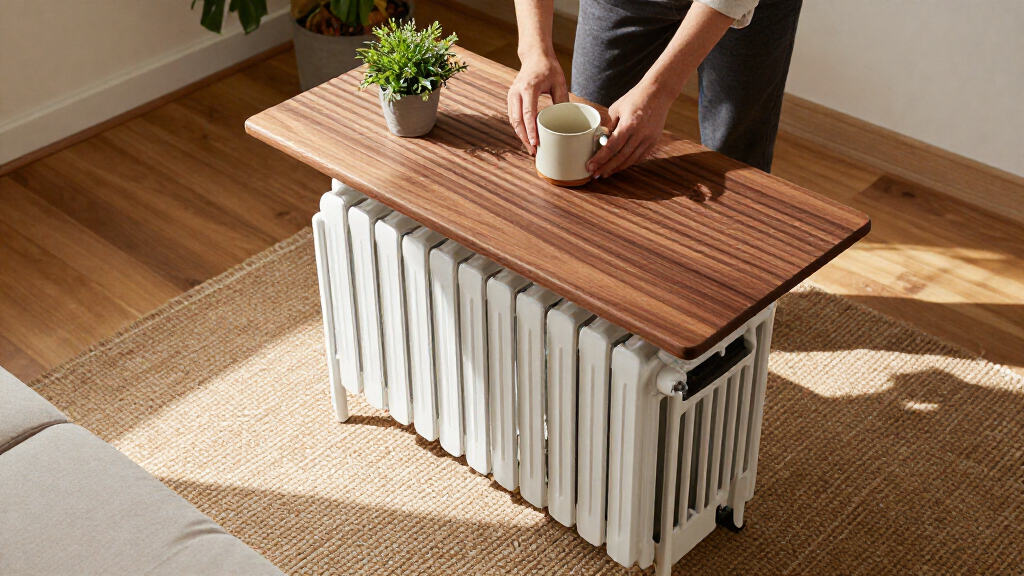
The report presents radiator tables as an alternative to conventional radiator covers. These designs typically use a shelf above the radiator, sometimes with legs, instead of enclosing the heating unit. Livingetc says this approach can add a place for decorative objects or everyday items without taking up as much floor area as a separate piece of furniture. The report does not provide measurements or performance tests comparing radiator tables with covers.
One example, designed by Alex Keith of Otta Design, sits on a small half-landing. Keith said the team wanted to create a focal point without using a traditional radiator cover. A marble top separates the radiator from a painting above it, while open wooden legs allow heat to escape into the room, he told Livingetc. The design was developed with master joiners at Creative Edge.
A second project by Laura Stephens turns a radiator shelf in a child’s bedroom into a future dressing-table surface. Stephens said she designed it to be 250 millimeters deep so it could hold a lamp, and specified sturdy brackets to support makeup storage and a ceramic lamp base. She also added decorative details, including a motif and rope edging. In a narrow entryway, Charlotte Simpson of Lotte Studio used a radiator shelf to create a surface without introducing additional furniture. Livingetc’s supplied report also refers to a fourth example, but the available source text does not include its details.
More Function in Tight Spaces
For people living with narrow hallways, small bedrooms or cramped landings, the designs address a practical constraint: a conventional console or table may obstruct movement, while leaving the radiator wall bare can leave useful space unused. A shelf positioned above the radiator can provide a landing spot for a lamp, small belongings or decor without requiring another floor-standing item.
The examples also show that radiator tables are not simply decorative add-ons. Their depth, supports, materials and placement can affect what they hold and how they relate to nearby objects. In Keith’s project, the table was designed with heat circulation and artwork protection in mind; Stephens’s design needed enough depth and strength for its intended dressing-table use. These are design-specific solutions, and the report does not establish that every radiator shelf will suit every heating system or room.
Products Worth Considering

DEWALT DWE74911 Rolling Table Saw Stand

DEWALT DWM120 10-Amp Deep-Cut Portable Band Saw

DEWALT 20V MAX XR Cordless Jig Saw (DCS334B)
As an affiliate, we earn on qualifying purchases.
Four Designs, Different Uses
Livingetc frames radiator tables as a way to make an existing heating feature feel more integrated into a room. The report contrasts them with older-style radiator covers, which it says can reduce a radiator’s effectiveness or draw attention to it. That is the publication’s design assessment; the source offers no independent heating data or testing to quantify those effects.
The four examples have distinct purposes. Keith’s landing console was coordinated with a selected painting and uses marble and open wooden legs. Stephens adapted a familiar hallway-style shelf for a child’s bedroom, where it could serve as a dressing area as the child grows. Simpson’s entryway solution prioritizes a usable surface while avoiding extra furniture. The source excerpt starts to describe a further design but ends before providing its specifics, so details of that example cannot be confirmed from the material supplied.
The report’s broader point is that a radiator table can be tailored to the room rather than treated as a standard cover. Its examples range from a marble-topped focal point to a bedroom surface with custom dimensions. They are presented as completed design projects, not as evidence of a newly launched product line or a change to building or heating standards.
“We wanted to create a focal point on the half landing outside her bedroom but didn’t want a traditional radiator cover.”
— Alex Keith, Otta Design
Performance Depends on Installation
The report does not specify whether the featured shelves were tested for their effect on radiator output, nor does it give general guidance on safe clearances, materials or installation for different radiator types. Keith’s comments explain the approach taken in his project, but they do not establish that the same dimensions or construction will work in other homes. Heating performance and suitability remain specific to the radiator and design.
The supplied source text also cuts off during its description of Simpson’s project and does not include the full fourth example. It is not clear from the available material what that final design involved, whether any of the tables are available to buy as standard products, or what they cost. Livingetc’s report provides design inspiration rather than a product comparison or installation guide.
Check Fit Before Adding a Shelf
Readers considering a radiator table would need to check the dimensions of their radiator and the space around it, then choose a design that meets the intended use without blocking heat flow. The projects in the report suggest practical questions to resolve first: how deep the shelf needs to be, what it must support, and whether nearby artwork or other objects could be affected by heat. The designers’ examples are not universal installation instructions.
Livingetc’s published roundup is the next available development in the source material; no further product launch, testing or follow-up is reported. Anyone seeking details on the incomplete fourth example or specific products would need to consult the full article or the designers. The source does not announce a subsequent milestone.
Key Questions
What is a radiator table?
A radiator table is a shelf or slim console positioned above a radiator, sometimes supported by legs or brackets. The designs in the Livingetc report add a surface without placing a full-size piece of furniture on the floor.
Are radiator tables better than radiator covers?
Livingetc presents them as an alternative to traditional covers and says covers can affect radiator effectiveness or draw attention to the unit. The supplied report includes no comparative testing, so it does not establish that radiator tables perform better in every home.
Can a radiator table hold a lamp or storage?
One project by Laura Stephens was designed to hold a lamp and makeup storage. She told Livingetc that the shelf was 250 millimeters deep and used sturdy brackets. That example does not establish the load capacity of other designs.
What should homeowners check before installing one?
Check the radiator’s dimensions, the shelf’s support and intended load, and whether the design leaves room for heat to circulate. The source offers project examples, not universal technical guidance; suitability depends on the specific radiator and installation.
Source: livingetc.com