
TL;DR
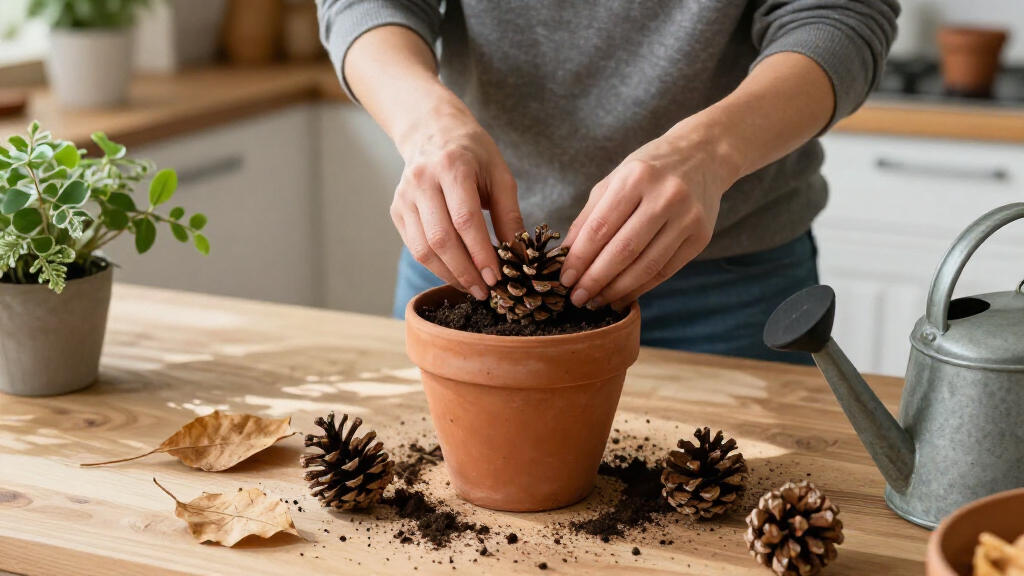
Gardeners are putting fallen pine cones in containers as a low-cost way to help water drain, mulch the compost and reduce the amount of potting mix needed. Horticulture experts cited by Ideal Home say cones may also discourage slugs and snails, but they are not a guaranteed pest barrier and decompose slowly.
Gardeners are using fallen pine cones in outdoor pots as an autumn gardening hack, with horticulture professionals cited by Ideal Home saying the cones can aid drainage, serve as mulch and reduce the volume of potting compost needed. The practice offers a free way to reuse a natural material as containers face colder temperatures and wetter weather, although claims that cones deter slugs, snails or cats are not presented as guaranteed results.

Get home appliances delivered free with Prime
- Fast, free delivery on millions of items
- Prime Video, Amazon Music and more included
- Member-only deals all year
Morris Hankinson, managing director of Hopes Grove Nurseries, told Ideal Home that pine cones placed at the bottom of a pot can help water drain away from plant roots. That may be useful in wet conditions because roots sitting in waterlogged soil can develop root rot, he said. The source does not describe controlled testing or quantify how much drainage improves.
Hankinson also recommends using cones as a surface mulch. He said they can help maintain soil temperature and decompose over time, adding nutrients to the soil. Filling part of a container with cones may also mean using less potting compost, according to Hankinson. The report offers no figures for potential savings or for how many cones to use in pots of different sizes.
The cones’ hard, uneven surfaces may make pots less attractive to slugs and snails, Hankinson said, and some gardeners also use them to discourage cats from digging. These are described as possible deterrents, not reliable pest controls. Separately, Christopher O’Donoghue, director of Gardens Revived, told Ideal Home that cones can be added to compost as carbon-rich “brown” material. Their shape may create air pockets, but whole cones break down slowly; shredding them or running over them with a lawnmower can speed decomposition, he said.
A Free Option for Winter Pots
The advice gives container gardeners a way to reuse a readily available material rather than discard it, while potentially reducing the amount of compost used. Its appeal is practical as well as environmental: pots left outdoors can face rain and temperature swings during autumn and winter, and gardeners often seek ways to protect roots and keep containers from becoming waterlogged.
The suggested uses should not be treated as a substitute for checking a pot’s drainage holes or choosing a suitable container and compost. Nor does the source establish that a layer of cones alone will prevent root problems. The reported benefits are expert advice about a possible gardening use, rather than findings from a comparative study. Gardeners should regard the pest-deterrent effect as uncertain and continue to monitor plants for damage.
Products Worth Considering

DEWALT DWE575SB 7-1/4 Inch Corded Circular Saw

Greenworks 48V Cordless Push Lawn Mower, 17-Inch, with Two 4.0Ah Batteries and Charger

WORX WG733.1 20V 14-Inch Cordless Lawn Mower
As an affiliate, we earn on qualifying purchases.
From Pot Mulch to Compost
The Ideal Home report presents pine cones as one of several ways to reuse autumn finds, alongside their familiar use in decorations. Hankinson’s advice covers two placements in containers: some cones at the bottom and others on the surface as mulch. The report does not specify that cones should replace all other drainage measures or give instructions for a particular plant type.
O’Donoghue’s compost advice addresses a separate concern: whether pine cones make finished compost too acidic. He said the acidity of fresh cones diminishes as they break down and that fully composted cones have little effect on the final soil pH. Because they decompose slowly, he recommends breaking them up to help the process. He also describes them as a carbon-rich brown ingredient that can add structure and airflow to a compost heap, especially when wet weather leaves it soggy.
“Pine cones act as a natural mulch, helping to maintain soil temperature and will decompose over time, providing nutrients to the soil.”
— Morris Hankinson, quoted by Ideal Home
How Much Protection Cones Offer
The source gives no trial data showing how much pine cones improve drainage, insulate roots or reduce compost use. It also does not establish how well they deter slugs, snails or cats, or how long cones take to break down in a specific pot or compost heap. Results may depend on the container, plant, weather and how the cones are prepared. The report does not say that pine cones can replace drainage holes, other winter protection or routine pest checks.
Use Depends on Pot Conditions
Gardeners considering the method can use cones as a surface mulch or place some in a container, while checking that water can still drain freely and that the plant’s needs are met. Those adding cones to compost can break them up to help them decompose. The source offers no scheduled follow-up study or official guidance; the likely next step is for gardeners to judge the method in their own containers and monitor moisture, plant health and pests through the colder months.
Key Questions
Why are gardeners putting pine cones in plant pots?
Horticulture expert Morris Hankinson told Ideal Home that cones may help water drain, work as mulch and reduce how much potting compost is needed. He also said their uneven surfaces may discourage slugs and snails, though this is not guaranteed.
Should pine cones go at the bottom or on top of the soil?
Hankinson describes both uses: placing some in the bottom of a pot and using others as mulch on the surface. The report does not provide a recommended quantity or say cones should replace a pot’s drainage holes.
Can pine cones go in a compost bin?
Yes. Christopher O’Donoghue told Ideal Home that pine cones can provide carbon-rich brown material and create air pockets. They break down slowly, so he suggests shredding or crushing them before adding them.
Will pine cones make compost too acidic?
O’Donoghue said the acidity of fresh cones declines as they decompose and that fully composted cones have little effect on the final soil pH. The source does not provide independent test results.
Source: idealhome.co.uk