
TL;DR

Get home appliances delivered free with Prime
- Fast, free delivery on millions of items
- Prime Video, Amazon Music and more included
- Member-only deals all year
A natural-feeling lighting schedule mimics outdoor light patterns with adjustable brightness and color temperature throughout the day. Smart lighting systems and automation make it easy to support your circadian rhythm, boosting sleep and mood.
Use adjustable color temperature and brightness to mimic outdoor light changes.
Automate your lighting schedule with smart systems for seamless transitions.
Vary lighting in different rooms based on activity and time of day.
Gradual shifts in light prevent indoor environments from feeling artificial.
Align your indoor lighting with natural rhythms to boost sleep and mood.
Why Your Body Craves Natural Light Patterns (And How to Replicate Them)
Your body’s internal clock, or circadian rhythm, is wired to respond to natural light changes. Bright, blue-rich light in the morning energizes you, while warm, dim lighting at night signals your brain to wind down. Replicating this indoors isn’t just about aesthetics—it’s about supporting your health and productivity. When your home lighting aligns with natural patterns, it helps regulate hormone production, like melatonin and cortisol, which influence sleep and alertness. Misaligned lighting, such as overly bright lights late at night or insufficient daylight exposure during the day, can disrupt these processes, leading to sleep issues, decreased focus, and mood swings. Using smart lighting to mimic natural shifts ensures your internal clock remains synchronized, fostering better overall wellbeing. The tradeoff is that precise timing and adjustment require some initial setup and understanding of your routines, but the long-term benefits for health and daily functioning are substantial.
smart LED light bulbs with adjustable color temperature
As an affiliate, we earn on qualifying purchases.
As an affiliate, we earn on qualifying purchases.
How to Build a Day-Long Lighting Routine in 5 Easy Steps
- Start with the sunrise: Gradually brighten warm, soft light in the morning to simulate dawn. This gentle transition cues your body to wake up naturally, reducing the jarring effect of abrupt lighting changes.
- Peak midday: Switch to bright, cool light (~5000K) to boost alertness and concentration. This mimics the sun at its highest point, helping you stay focused and productive.
- Transition to evening: Slowly dim lights and shift to warmer tones (~2700K). This signals your body that it’s time to wind down, facilitating the natural production of sleep hormones.
- Nighttime: Use very dim, amber lighting or turn off non-essential lights. Limiting blue light at night prevents interference with melatonin production, which is crucial for restful sleep.
- Adjust based on your schedule: Tweak timings and settings as needed for your routine. Flexibility ensures the lighting remains aligned with your lifestyle, maximizing comfort and health benefits.
As an affiliate, we earn on qualifying purchases.
Comparison: Static vs. Dynamic Lighting for Natural Feel
| Feature | Static Lighting | Dynamic Lighting |
|---|---|---|
| Color Temperature | Constant (~2700K to 4000K) | Varies throughout the day (~2700K to 5000K) |
| Brightness | Fixed or manual adjustment | Gradually changes to match time |
| Natural Feel | Less realistic, static | More authentic, mimics outdoors |
Static lighting offers simplicity but often results in environments that feel artificial or disconnected from natural cues. It can cause fatigue or discomfort over time because it doesn’t adapt to your circadian needs. In contrast, dynamic lighting adjusts in real-time, creating a more immersive experience that aligns with your biological rhythms. This approach not only enhances comfort but also can improve mood, alertness, and sleep quality. The tradeoff lies in complexity: dynamic systems require initial investment and setup, but the payoff is a home environment that feels more alive and health-promoting.
automatic circadian rhythm lighting
As an affiliate, we earn on qualifying purchases.
As an affiliate, we earn on qualifying purchases.
How to Use Technology to Automate Your Home’s Light Cycle
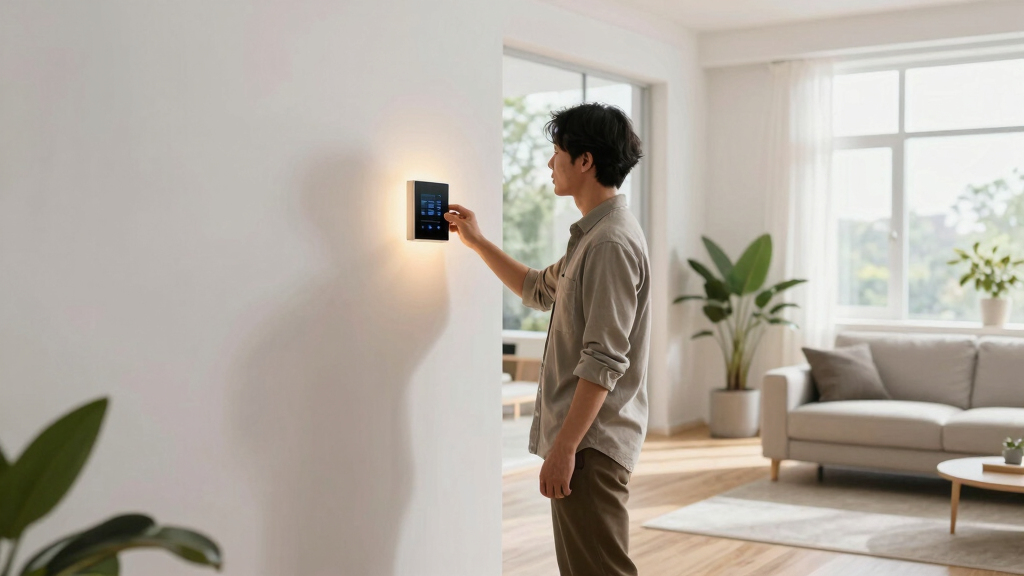
Automation systems like Philips Hue or LIFX can schedule different lighting scenes throughout the day. Connect your smart bulbs to a hub or app, then set routines for sunrise, midday, and sunset. Incorporate sensors for ambient light or motion to adapt automatically. This not only makes your lighting more responsive but also reduces manual adjustments, helping your environment stay aligned with natural cues even when your schedule changes. For example, your morning routine might gradually brighten your kitchen lights to 4000K by 7:00 am, then dim to 2000K by 9 pm, without lifting a finger. Automated routines ensure consistency, which is essential for maintaining circadian health, but they also require some initial configuration and ongoing fine-tuning to match your evolving needs.
As an affiliate, we earn on qualifying purchases.
Personalizing Your Lighting Schedule for Different Rooms and Activities
Not every room serves the same purpose or requires the same lighting conditions. Proper customization ensures that each space supports its specific activity and time of day. For example, your home office benefits from bright, cool light during work hours because it enhances focus and reduces eye strain, while your bedroom should be bathed in dim, warm hues to promote relaxation and prepare your body for sleep. Using zoning features in your automation setup allows you to create tailored lighting patterns, optimizing both comfort and health. For instance, setting your kitchen to 5000K in the morning can energize you for the day, whereas switching to 3000K in the evening helps you wind down. Meanwhile, maintaining a consistent 2700K in the bedroom supports melatonin production. The implication is that strategic, activity-based lighting not only improves functionality but also reinforces your natural rhythms, making your home environment more supportive and health-conscious.
What’s New in Circadian Lighting Tech and How It Affects Your Home
Modern circadian lighting systems are increasingly sophisticated, integrating real-time data to adapt automatically to your routines and environment. These systems can analyze factors like time, weather conditions, and even your personal habits to optimize lighting in a way that supports your biological clock. Some incorporate sensors that detect ambient light levels, adjusting indoor lighting to compensate for cloudy days or longer nights, ensuring your environment remains aligned with natural cues. According to an anonymous researcher at Timer One, such systems can significantly enhance sleep quality and mood by reducing circadian disruption—an issue linked to modern lifestyles that often involve irregular schedules and artificial lighting. The implication is that investing in these advanced systems can yield long-term health benefits, but they also demand a higher initial investment and ongoing calibration to function optimally.
The Impact of Proper Lighting on Health and Well-Being
Good lighting isn’t just about aesthetics — it plays a crucial role in your health. Exposure to bright, blue-enriched light during the day boosts alertness and mood, supporting cognitive function and overall vitality. Conversely, limiting blue light in the evening is essential for maintaining healthy melatonin production, which governs your sleep-wake cycle. Disruptions in this cycle can lead to sleep disorders, decreased immunity, and even metabolic issues. According to research by an anonymous expert, consistent alignment of indoor lighting with natural circadian rhythms can reduce fatigue, improve sleep quality, and enhance daytime alertness. This highlights the importance of intentional lighting design—poorly planned lighting can inadvertently cause health issues, whereas thoughtfully implemented systems can serve as a preventative measure and a health enhancer.
Common Questions About Building a Natural Lighting Schedule
Q: How can I simulate natural daylight indoors?
A: Use smart lighting with adjustable color temperature and brightness, scheduled to mimic sunrise, midday, and sunset. This creates a cycle that your body recognizes and responds to, reinforcing your natural rhythms. The tradeoff is that you need to set and adjust these schedules thoughtfully, considering your specific routines and preferences to avoid feeling manipulated by overly rigid patterns.
Q: What settings work best for different times of day?
A: Bright, cool (~5000K) during daytime to promote alertness; dimmer, warm (~2700K) in the evening to prepare for sleep; very limited blue light at night to facilitate melatonin production. The key is to balance these settings with your personal needs and avoid stark contrasts that can unsettle your circadian system.
Q: Can I automate my whole home’s lighting?
A: Yes. With compatible smart systems and automation platforms, you can schedule multiple zones to follow your preferred pattern. The challenge is ensuring these systems are properly configured and maintained, as misaligned automation can sometimes create inconsistent lighting experiences that diminish the natural feel.
Q: How do I make it feel natural and not robotic?
A: Incorporate gradual transitions, vary light intensity slightly, and avoid overly rigid schedules to mimic the unpredictability of outdoor light. This approach prevents your environment from feeling sterile or overly controlled, fostering a more relaxed and authentic atmosphere.
Q: Are there health benefits?
A: Absolutely. Properly timed lighting supports sleep, mood, and overall circadian health, reducing fatigue and improving daily alertness. The long-term benefit is a more resilient, healthier lifestyle supported by your home environment.
Frequently Asked Questions
How do I start building a natural lighting schedule?
Begin by mapping your daily routine and identifying key times for brighter or warmer light. Use smart lighting to gradually adjust throughout the day, mimicking outdoor changes, and tweak as you go for comfort.What equipment do I need for automation?
Smart bulbs or fixtures compatible with your home system, a hub or app for scheduling, and sensors for ambient light or motion can help automate your entire home’s lighting pattern.Can I customize lighting for individual routines?
Yes, many systems allow zone-based control, so you can set different schedules for your bedroom, kitchen, or home office, aligning each with its specific activity and natural light needs.Will this really improve my sleep and mood?
Yes. Properly timed lighting supports your circadian rhythm, leading to better sleep quality, increased alertness during the day, and an overall boost in mood and well-being.Conclusion
Your home can become a sanctuary that nurtures your body’s natural clock. With simple tweaks to your lighting setup, you can enjoy mornings full of energy and nights of deep rest. Remember: a home that feels alive with natural light isn’t just more beautiful — it’s healthier, too.Halloween Picks
halloween
As an affiliate, we earn on qualifying purchases.