TL;DR

Get home appliances delivered free with Prime
- Fast, free delivery on millions of items
- Prime Video, Amazon Music and more included
- Member-only deals all year
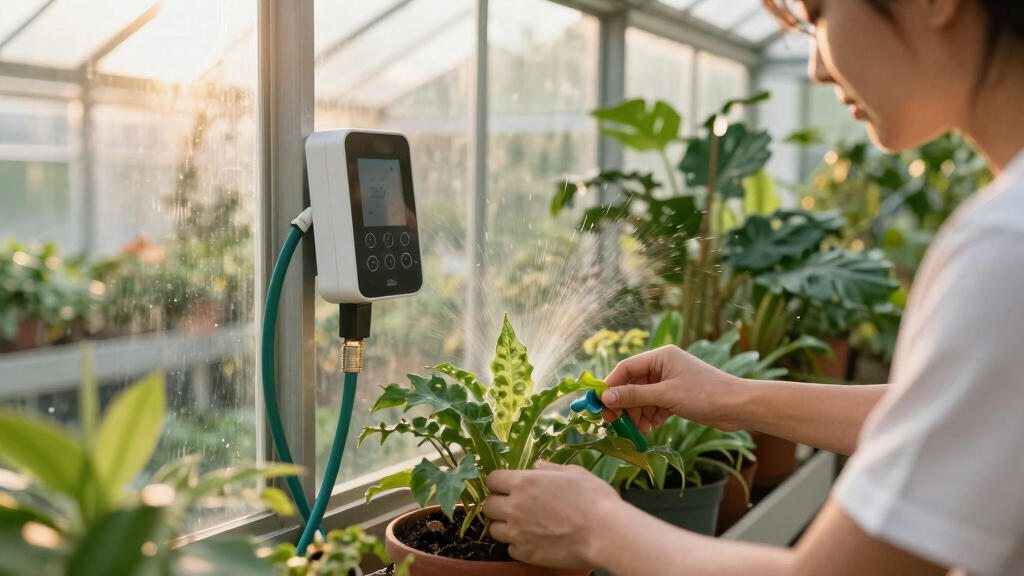
Greenhouse watering automation ensures consistent moisture, reduces water waste by up to 50%, and prevents common beginner mistakes. Starting with a simple drip timer is the best first step, then upgrading to sensors or DIY systems as you grow more confident.
Imagine walking into your greenhouse on a scorching summer day. The sun beats down, the plants thirst for water, and you’re already half-expecting a flood or drought. That’s the challenge—and the opportunity—of watering your greenhouse. Automation isn’t just fancy tech; it’s a practical tool that keeps your plants happy, your water bill lower, and your stress minimal.
If you’re new to greenhouse growing, the idea of setting up watering automation might seem daunting. But it’s easier than you think. This guide will show you the simplest way to get started, explain the options as you grow more ambitious, and share real-world tips to keep your system running smoothly.
Start with a simple drip timer and expand as you learn what your plants need.
Filtering and pressure regulation prevent most common clogging and flow issues.
Sensor-based systems can save water and improve plant health, especially in variable greenhouse conditions.
Always include fail-safes like overflow drains and check valves to avoid disasters.
Regular maintenance and testing keep your automation reliable and safe.
Why automating watering makes your life easier and your plants happier
When you automate watering, you eliminate the guesswork. Plants get the right amount of water—no more, no less—which matters even more in your greenhouse where the sun, heat, and wind can dry out soil fast. Automation also saves water—up to half of what manual watering wastes—by delivering it directly to roots, not foliage.
Think about watering tomatoes during the heatwave. Manual watering might be inconsistent—sometimes too much, sometimes too little. An automated system keeps that moisture steady, reducing stress, preventing poor fruit set, and avoiding root rot. It’s like giving your plants a daily, precise diet tailored to their needs.
Plus, automation frees you from the daily chore. You can spend your time on planting, pruning, or just enjoying the greenhouse instead of chasing hoses or dragging watering cans.
As an affiliate, we earn on qualifying purchases.
The three levels of greenhouse watering control — what’s right for you?
Choosing your control system depends on your budget, confidence, and what you want to achieve. Here’s a quick breakdown:
| Control Type | Cost | Ease of Setup | Best For |
|---|---|---|---|
| Simple Timer | Low (~$20–60) | Easy | Beginners, single-zone setups |
| Sensor-Based System | Moderate ($50–150) | Moderate | Plants with varying moisture needs |
| DIY Smart System | Variable (depends on components) | Advanced | Tech-savvy growers, hobbyists |
Understanding these options helps you weigh the tradeoffs. A simple timer is affordable and straightforward but offers limited control—ideal for beginners who want basic automation. Sensor-based systems are more sophisticated, providing real-time feedback on soil moisture, which helps optimize water use and prevent over- or under-watering. However, they can be more costly and require some technical setup. DIY smart systems can be highly customizable, integrating weather data and remote controls, but they demand a higher skill level and initial investment. Choosing the right level depends on your goals, budget, and willingness to troubleshoot. Balancing these factors ensures you get an automation system that enhances your growing experience without unnecessary complexity or expense.
automatic greenhouse watering system
As an affiliate, we earn on qualifying purchases.
As an affiliate, we earn on qualifying purchases.
Start simple: the $50 drip kit and battery timer blueprint
For most beginners, a basic drip irrigation kit combined with a battery-powered timer is enough to get started. Here’s a step-by-step example:
- Choose a drip kit designed for small greenhouses—look for one with adjustable drippers. This flexibility allows you to tailor watering to different plant types and sizes, which is crucial for healthy growth.
- Connect it to your water source—mains or rain barrel. Using a rain barrel can be more sustainable, but ensure your setup can deliver enough pressure for the drippers to function properly.
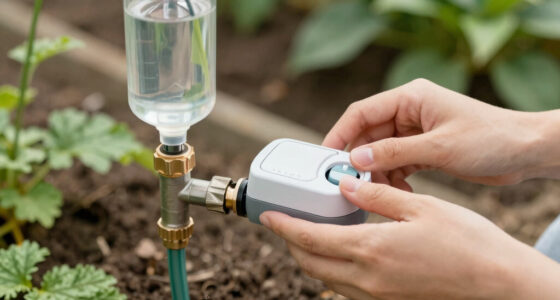
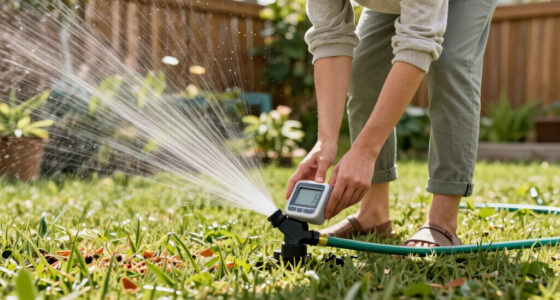
- Attach a battery-powered timer, which costs around $30, to control watering schedules. This allows you to set and forget, ensuring your plants receive consistent moisture even when you’re away or busy.
- Set the timer to water early in the morning for 15–30 minutes. This timing takes advantage of cooler temperatures, reducing evaporation and helping plants absorb water more effectively.
- Test the system, watch for leaks or clogs, and adjust as needed. Regular testing ensures your system remains reliable and that your plants aren’t under- or over-watered.
This simple setup can keep your plants consistently moist and reduce watering fuss. As you get comfortable, you can add a filter or expand to multiple zones, but starting simple helps you understand your system’s behavior and your plants’ needs without overwhelming complexity.
sensor-based plant watering system
As an affiliate, we earn on qualifying purchases.
As an affiliate, we earn on qualifying purchases.
A premium route: smart controllers and soil moisture sensors
If you want to go beyond basic timers, smart controllers with soil moisture sensors are a game changer. They enable your system to water only when necessary, which can significantly reduce water waste and prevent overwatering—a common issue in greenhouses where excess water can lead to root rot and fungal diseases.
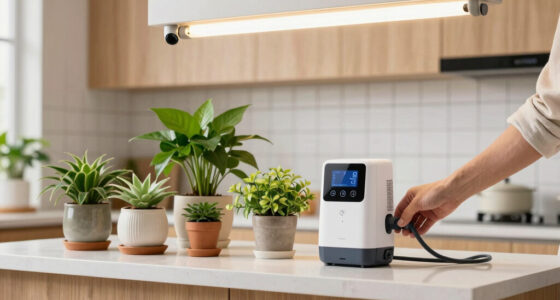
Imagine a system that checks the soil every few hours, detects dryness, and triggers watering automatically. These sensors provide real-time feedback, allowing your system to respond dynamically rather than on a fixed schedule. Connecting these sensors to Wi-Fi and controlling everything via your smartphone adds convenience, letting you monitor and adjust settings remotely. Some advanced systems even incorporate weather forecasts, so they skip watering if rain is predicted, further conserving water and reducing unnecessary work.
This setup typically costs around $150 or more but offers a significant payoff in healthier plants, water savings, and peace of mind. It’s especially beneficial if you’re growing delicate seedlings, plants with specific moisture needs, or managing multiple zones with different requirements. The deeper understanding of soil conditions and automation responsiveness translates into healthier crops and less manual intervention, making your greenhouse management more scientific and efficient.
As an affiliate, we earn on qualifying purchases.
How to keep your system running smoothly and avoid disasters
Automation systems are powerful but require regular maintenance to prevent failures that could damage your plants or waste water. A stuck valve or clogged dripper can cause floods, root rot, or drought stress. Here’s how to keep things safe and reliable:
- Always include a filter in your drip line to prevent mineral and debris buildup that can clog emitters. Regularly check and clean this filter to maintain optimal flow. Neglecting this filter can lead to unpredictable watering, which stresses your plants and wastes water, ultimately undermining your automation efforts.
- Install overflow drains or flow restrictors to prevent flooding if a valve sticks open or a line bursts. These safety features act as fail-safes, protecting your plants and your property. Without these, a single malfunction can cause significant damage, highlighting the importance of proactive safety measures.
- Regularly inspect your system—look for leaks, clogs, and unusual pressure drops. Flushing the system with vinegar or a commercial cleaner dissolves mineral deposits that can impede flow. This routine maintenance maintains system efficiency and prevents small issues from escalating into major failures.
- Set alarms or alerts if your control system supports them. Notifying you of failures or irregularities allows prompt intervention, minimizing damage and ensuring your system remains reliable. Without these alerts, problems might go unnoticed until significant damage occurs.
- Test your entire system before your busiest season to ensure all components work correctly. Early testing helps you identify and fix issues before they impact your crops, saving time and avoiding crop loss during critical periods.
Remember: safety features like check valves and flow restrictors are your best friends. They act as backups, preventing catastrophic failures that could harm your plants or waste resources. Regular maintenance and proactive checks are essential for keeping your automation system dependable and your plants healthy.
Frequently Asked Questions
What’s the cheapest way to automate greenhouse watering?
The most affordable setup is a basic drip irrigation kit paired with a battery-powered timer. It costs around $50 and is enough to keep your plants evenly watered during the growing season.
Can I run drip irrigation from a rain barrel without mains pressure?
Yes. You’ll need either a raised rain barrel for gravity-fed pressure or a small pump. Low-pressure drippers are designed to work with gentle flow, making this a practical off-grid solution.
How often and how long should I run the system?
It depends on your plants, season, and substrate. For most vegetables in summer, 15–30 minutes early in the morning works well. Using moisture sensors can remove the guesswork and fine-tune watering times.
Do I need Wi-Fi or a smart controller, or is a simple timer enough?
For beginners, a simple battery timer is enough. Wi-Fi and smart controllers add convenience and precision but aren’t necessary until you want more control or are managing multiple zones.
How do I prevent drippers from clogging?
Use a good filter at the start of your line, flush the system periodically, and consider vinegar soaking to dissolve mineral deposits. Regular checks keep your system flowing smoothly.
Conclusion
Automation is the easiest way to keep your greenhouse thriving without the daily hassle. A simple drip timer might seem modest, but it’s a powerful first step toward smarter growing. As you gain confidence, upgrading to sensors or DIY systems can turn your greenhouse into a precision climate machine.
Remember, the goal isn’t perfection—it’s consistency. Keep your system simple at first, then build once you see how much it improves your plants and peace of mind.
Fall yard work Picks
leaf blowers
As an affiliate, we earn on qualifying purchases.