
TL;DR

Get home appliances delivered free with Prime
- Fast, free delivery on millions of items
- Prime Video, Amazon Music and more included
- Member-only deals all year
Cycle and soak watering breaks up irrigation into shorter, repeated cycles with intervals in between. This method helps clay soil absorb water better, reduces runoff, and saves up to 30% of water. Proper programming boosts plant health and conserves resources.
Imagine watering your garden on a hot summer day. You turn on the sprinklers, only to see water pooling and running off before it seeps into the ground. Sound familiar? That’s clay soil’s tricky nature—slow to absorb water, prone to runoff, and often frustrating for homeowners trying to keep plants healthy.
But there’s a simple, effective fix: programming your irrigation controller with cycle and soak settings. This approach breaks your watering into short bursts, giving water time to penetrate deeply without wasting it. If you’re tired of overwatering, erosion, or shallow roots, stick around. We’ll show you how to set your system for success in clay-rich landscapes.
Cycle and soak watering prevents runoff in clay soil by breaking watering into shorter, repeated cycles with intervals.
Start with 2-3 minute cycles, 3-4 repeats, and 15-minute soak intervals; adjust based on soil response.
Modern smart controllers and soil sensors make programming easier and more precise, saving water and improving plant health.
Watch for signs like pooling, dry patches, or shallow roots to fine-tune your schedule.
Seasonal and weather changes demand regular adjustments for consistent results.
Cycle and Soak Watering
Program your controller to deliver short watering bursts with pauses in between. Clay gets time to absorb each application, runoff slows, and moisture travels deeper into the root zone.
Match the application rate to clay’s absorption rate.
A long sprinkler run can apply water faster than compact clay can accept it. Short cycles pause the supply before the surface becomes overwhelmed.
Clay holds water tightly
Fine particles create small pore spaces. Water moves slowly through them, so the surface may saturate while deeper soil remains relatively dry.
Soak time restores capacity
A 15–30 minute pause lets the previous application move away from the surface before the controller begins the next short cycle.
Moisture travels deeper
Repeated infiltration encourages roots to follow moisture downward, improving plant resilience while limiting erosion and nutrient loss.
Less water lost at the surface
Cycle and soak can use roughly 30% less water than a comparable continuous schedule by reducing runoff and unnecessary overwatering.
Build the schedule in five deliberate moves.
Controller menus vary, but the logic stays the same: shorten each run, repeat it, insert a soak period, then observe the landscape.
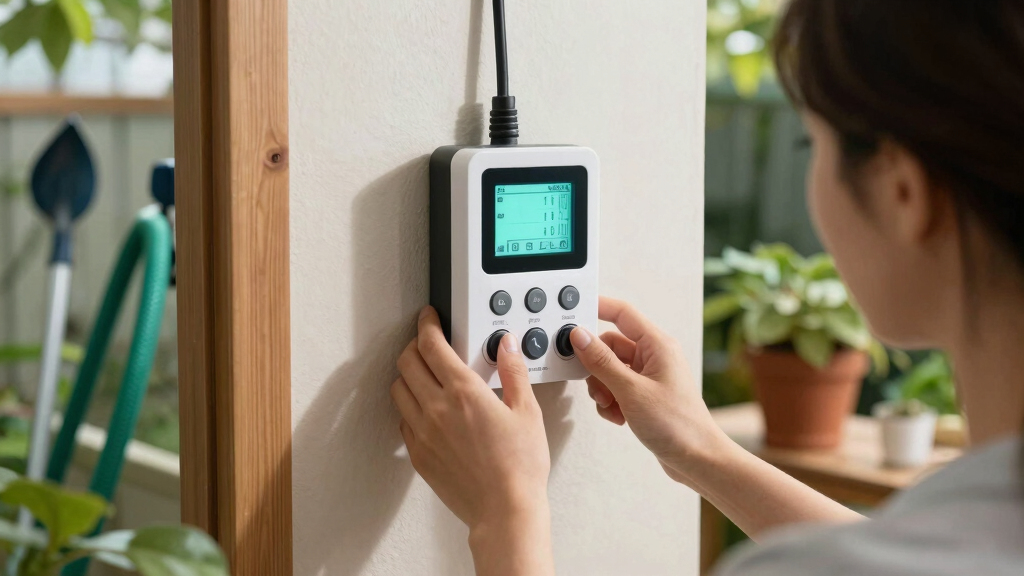
Find cycle-and-soak controls
Look under station timing, advanced watering, interval, or smart scheduling settings.
Set a short cycle
Begin at 2–3 minutes. Increase only if the surface absorbs water without pooling.
Choose 3–4 cycles
Multiple passes deliver the required total runtime without overwhelming the soil.
Add soak intervals
Wait 15–30 minutes between applications so water can migrate into the profile.
Watch and adjust
Check runoff, soil moisture and plant response over several watering sessions.
Continuous watering versus cycle and soak.
The same total runtime behaves very differently when it is divided into applications that respect the soil’s infiltration capacity.
| Feature | Traditional watering | Cycle and soak |
|---|---|---|
| Duration | One continuous 20–30 minute run | Several short 2–5 minute cycles |
| Runoff risk | High — surface can saturate quickly | Low — pauses protect infiltration capacity |
| Water efficiency | Lower because of runoff and excess surface water | Higher with less waste and better distribution |
| Root response | Shallower moisture can encourage shallow roots | Deeper moisture supports stronger root development |
| Erosion | Flowing water may carry soil and nutrients away | Controlled application helps keep soil in place |
Cycle is too long
Reduce each run by about one minute or extend the soak interval.
Water exceeds absorption
Shorten the application and check slopes, compaction and sprinkler output.
Total water is too low
Add a cycle or make small duration increases while continuing to monitor runoff.
Schedule is too frequent
Allow more drying time between watering days to reduce root-rot risk.
Let conditions—not the calendar—shape the schedule.
Weather-aware controllers and soil sensors reduce guesswork, but regular observation remains essential in clay-rich landscapes.
Useful smart-controller capabilities
If an existing controller cannot divide runtimes automatically, an add-on module or modern controller can simplify programming.
- Dedicated cycle-and-soak scheduling
- Soil-type and slope customization
- Weather-based seasonal adjustment
- Rain shutoff and moisture-sensor support
- Station-by-station timing controls
The healthy-water chain
How do I find the right timing?
Start at 2–3 minutes with a 15-minute soak. Observe absorption, then make one small change at a time.
Can an older controller do this?
Some can use multiple start times. If yours cannot, consider a cycle-and-soak module or controller upgrade.
How often should I revisit the program?
Review it seasonally, after major rain or heat, and whenever plant growth or landscape conditions change.
Which plants benefit most?
Trees, shrubs, vegetables and other deep-rooted or overwatering-sensitive plants can benefit substantially.
Why Cycle and Soak Works Wonders in Clay Soil
Clay soil is like a sponge that’s been squeezed too tightly. It holds water but releases it slowly. When you water too long at once, excess water runs off, taking nutrients and topsoil with it. Cycle and soak breaks watering into shorter sessions, separated by intervals, allowing water to sink in gradually.
Understanding this process is crucial because it directly impacts plant health. If water pools on the surface or drains away quickly, roots can’t access the moisture they need, leading to stress and poor growth. By giving water multiple chances to infiltrate, you allow roots to grow deeper, making plants more resilient to drought. The tradeoff is that cycle and soak may require more precise programming and a little patience, but the benefits—less runoff, healthier roots, and water savings—far outweigh the effort.
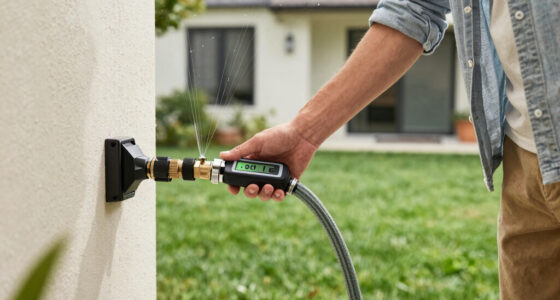
irrigation controller cycle and soak programming
As an affiliate, we earn on qualifying purchases.
As an affiliate, we earn on qualifying purchases.
How to Set Up Your Controller for Perfect Cycle and Soak
Here’s the step-by-step process to program cycle and soak on most modern controllers:
- Identify your system’s settings: Find the cycle and soak options in your controller’s menu.
- Determine your cycle duration: Start with 2-3 minutes per cycle. Shorter durations help prevent runoff and allow for better absorption, especially in clay soil where water moves slowly.
- Set the number of cycles: For clay soil, 3-4 cycles are often effective, but this depends on your specific landscape and plant needs. More cycles mean more opportunities for water to penetrate without overwhelming the soil.
- Adjust soak time: Leave 15-30 minutes between cycles. This interval gives the soil time to absorb water from the previous cycle and prevents runoff, which is a common problem in clay soils that can lead to nutrient loss and erosion.
- Test and refine: Observe how the soil responds over several watering sessions. If water still pools or drains too quickly, reduce cycle time or increase soak intervals. Adjustments are necessary because soil conditions and plant demands vary, and fine-tuning ensures optimal watering without waste.
Amazon
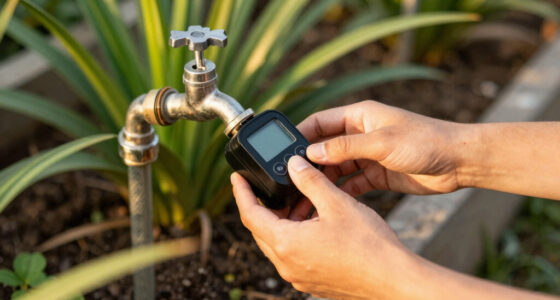
smart irrigation controller for clay soil
As an affiliate, we earn on qualifying purchases.
As an affiliate, we earn on qualifying purchases.
Compare Traditional Watering vs. Cycle and Soak in Clay Soil
Feature Traditional Watering Cycle and Soak Watering Duration Long, continuous watering (e.g., 20-30 mins) Multiple short cycles (e.g., 3-5 mins each) Runoff Risk High, especially in clay soils Low, water penetrates deeper and more evenly Water Efficiency Lower, due to runoff and evaporation Higher, reduces waste and encourages deep root growth Soil Absorption Poor in clay, leading to shallow roots and erosion Improved with proper scheduling, promoting healthier, deeper roots Amazonsoil moisture sensors for garden irrigation
As an affiliate, we earn on qualifying purchases.
As an affiliate, we earn on qualifying purchases.
Signs You Need to Tweak Your Cycle and Soak Settings
Watch your garden closely after watering. If you see water pooling or running off, it’s a clear sign that your cycle times are too long or your soak intervals are too short, meaning the soil can’t absorb water fast enough. This not only wastes water but can also lead to erosion and nutrient leaching. Conversely, if the soil remains dry or plants appear wilted, your watering may be insufficient or too infrequent for the soil’s current condition.
Other clues include shallow root growth—indicating roots aren’t penetrating deep due to inconsistent moisture—soggy patches, or plant stress. These signs suggest your program isn’t aligned with your soil’s capacity. To fix this, make gradual adjustments—adding a minute to cycle times or increasing soak intervals—and observe how your garden responds. Proper tuning enhances water efficiency and plant health, especially in challenging clay soils.
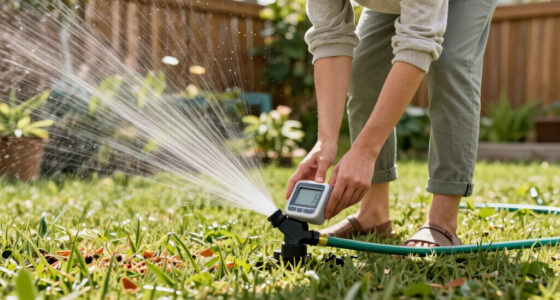
Amazongarden watering timer with cycle and soak settings
As an affiliate, we earn on qualifying purchases.
As an affiliate, we earn on qualifying purchases.
Upgrading Your System? Consider Smart Controllers & Sensors
If your current system doesn’t support cycle and soak, or if you want to automate adjustments for optimal efficiency, modern smart controllers are a game-changer. They often include soil moisture sensors and weather data integration, which allow your irrigation to adapt dynamically to changing conditions. This means your system can automatically reduce watering after rain or drought, ensuring your clay soil gets just the right amount of moisture without over- or under-watering.
The benefits are significant: less water waste, healthier plants, and less manual programming. Smart controllers also help prevent common issues like runoff and shallow roots by fine-tuning watering schedules based on real-time data, making them especially useful for managing the unique challenges of clay soils.
Adjusting for Seasons and Plant Needs: When to Tweak Your Schedule
Clay soil’s water absorption capacity varies significantly with the seasons. During hot, dry summer months, your plants and soil demand more frequent, shorter watering cycles to prevent stress and dehydration. Conversely, in rainy seasons, you can cut back or even pause watering altogether, since excess moisture can lead to root rot and other issues. As plants mature, their water needs may change—deep-rooted trees, for example, require less frequent but more thorough watering to encourage deep root growth.
Monitoring weather forecasts and soil moisture levels is essential for making informed adjustments. If you notice consistent signs of overwatering—such as soggy patches or fungal growth—or underwatering, with wilting or shallow roots, adapt your schedule accordingly. Flexibility is key; your irrigation system should respond to seasonal shifts and plant development to maintain healthy, resilient gardens year-round.
Frequently Asked Questions
How do I determine the right cycle and soak times for my clay soil?
Start with short cycles of 2-3 minutes, followed by 15-minute soak intervals. Observe how your soil absorbs water and adjust accordingly. Testing and gradual tweaks help find the sweet spot for your landscape.
Can I set cycle and soak manually on my existing controller?
Many newer controllers include this feature, but if yours doesn’t, consider upgrading or adding modules designed for cycle and soak programming. It’s a straightforward way to improve watering efficiency.
How often should I revisit my watering schedule?
Adjust seasonally — more frequent in summer, less during rainy periods. Also, monitor your plants and soil regularly; if signs of over- or underwatering appear, tweak the settings accordingly.
What signs indicate my watering schedule isn’t working?
Look for water pooling or runoff, shallow root growth, wilting plants, or soggy patches. These clues mean your cycle or soak times need adjusting for better absorption.
Are some plants more suited to cycle and soak watering?
Yes. Deep-rooted plants like trees and shrubs, plus sensitive vegetables, benefit most. They thrive with deep, consistent watering that avoids the stress of overwatering or drought.
Conclusion
Programming your irrigation system for cycle and soak isn’t just about saving water — it’s about giving your clay soil what it needs to thrive. Deep roots, healthy plants, less runoff. It’s a win-win that pays off in lush, resilient landscapes.
Take a moment to evaluate your current setup, then tweak your schedule. Your garden will thank you with vibrant growth and fewer watering woes.
COLD & FLU SEASO Cold & flu season Picks
humidifiershumidifiers
As an affiliate, we earn on qualifying purchases.