TL;DR

Get home appliances delivered free with Prime
- Fast, free delivery on millions of items
- Prime Video, Amazon Music and more included
- Member-only deals all year
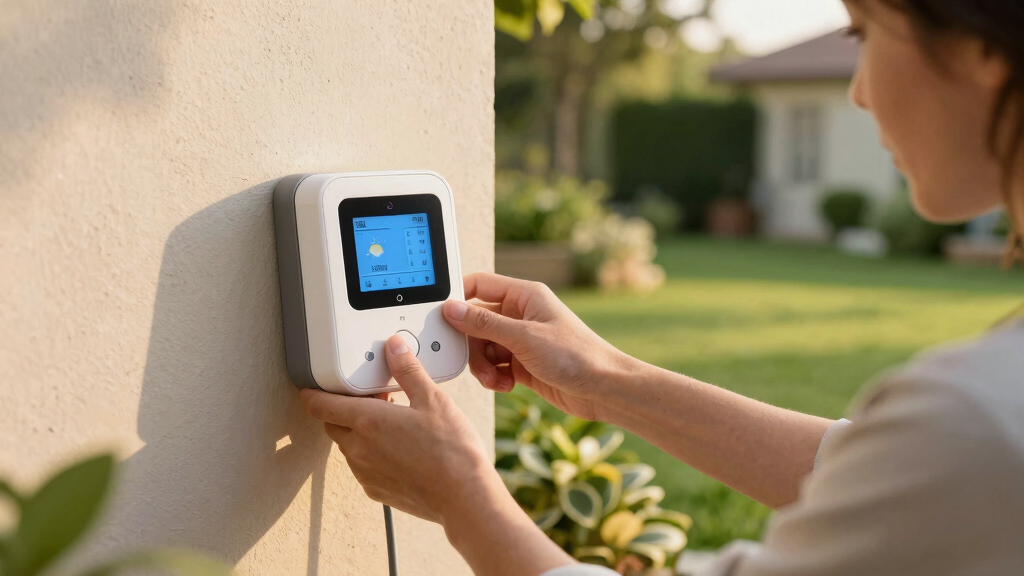
Smart sprinkler controllers connect to weather services via Wi-Fi to get forecasts and real-time data. They automatically skip watering when rain is predicted or conditions are moist, saving water and reducing bills. Advances in weather prediction and AI make these systems more accurate and user-friendly.
Picture this: your sprinkler runs on schedule, watering your lawn even on days when rain is pouring or the sky is thick with dark clouds. It’s frustrating — and wasteful. That’s where smart sprinkler controllers come in. They don’t just follow a timer; they use real-time weather data to decide when watering is actually needed.
Imagine a system that knows a thunderstorm is rolling in or that recent rain has soaked your soil. It adjusts or skips watering, saving water, money, and helping your lawn thrive. In this guide, you’ll learn exactly how these devices tap into weather data, how reliable they are, and how they make your yard smarter and greener.
Smart controllers connect to weather APIs to get accurate, real-time rain predictions and forecasts.
They adjust watering schedules automatically, skipping watering when rain is likely or soil is moist.
Combining weather data with soil moisture sensors yields the most precise watering decisions.
Proper setup is simple: connect, configure, and test your system for optimal savings.
While weather data is reliable, it’s wise to monitor your yard and tweak settings for best results.
How Smart Sprinkler Controllers Use Weather Data to Skip Watering
Instead of blindly following a timer, a smart controller reads forecasts, temperature, humidity and soil conditions—then waters only when your landscape actually needs it.
The signals behind every watering decision
Controllers combine nearby forecast data with the characteristics of your yard. Advanced systems add direct soil readings, reducing dependence on any one imperfect signal.
Rain probability
Weather APIs report expected precipitation, timing and probability. If rain crosses your chosen threshold, the next irrigation cycle can be delayed or cancelled.
Heat, humidity & ET
Temperature, humidity and evapotranspiration indicate how quickly water leaves the soil. Cool, humid days need less irrigation than hot, dry ones.
Soil moisture
A sensor checks whether the root zone is already wet. It can stop watering even when rain was missed by the forecast or fell only in your microclimate.
From weather signal to a skipped sprinkler cycle
The schedule adapts before the valve opens
Smart irrigation is not only a rain switch. It continuously changes watering frequency and run time to balance plant demand against the moisture already available.
Rain predicted
SkipA high precipitation probability can trigger a rain delay so the lawn receives the forecast rainfall before irrigation is reconsidered.
Soil already moist
SkipDirect sensor data overrides the calendar when the root zone is wet enough, helping prevent runoff, fungus and root damage.
Cool and humid
ReduceLower evaporation means water stays available longer, so the controller can shorten cycle duration or increase the interval between runs.
Hot and dry
IncreaseHigher plant demand and evaporation can justify a longer or more frequent cycle—within the limits set by the homeowner.
Traditional timer vs. smart controller
A conventional timer is predictable but blind to changing conditions. A weather-aware controller adds responsiveness, remote control and measurable conservation potential.
| Feature | Traditional timer | Smart weather controller |
|---|---|---|
| Watering schedule | ~Fixed manual times | ✓Automatically adjusts |
| Rain awareness | ✗Runs rain or shine | ✓Forecast and sensor skips |
| Water savings | ✗Minimal; often wasteful | ✓Potentially 30–50% |
| User control | ~Physical or fixed controls | ✓App, override and history |
| Data sources | ✗None | ✓Weather APIs, ET and sensors |
Weather-driven watering in three steps
Join Wi-Fi
Link the controller to its app and local weather service. A stable internet connection keeps forecast information current.
Set thresholds
Choose rain-delay periods, minimum run times, plant types and soil targets. These limits tailor automation to your landscape.
Test and tune
Observe a dry-day cycle and the next forecasted rain event. Adjust settings if zones remain too wet or become stressed.
Forecasts help—but your yard has the final word
Sudden storms, uneven rainfall and small microclimates can escape regional forecasts. Soil sensors narrow the gap, while occasional visual checks catch dry patches, runoff and calibration errors. The strongest strategy combines forecast data, local sensing and homeowner oversight.
A healthier yard with less waste
Weather-aware irrigation turns lawn care from a rigid calendar task into a responsive system.
How Do Smart Sprinkler Controllers Know When It’s Going to Rain?
Smart sprinkler controllers connect to the internet and access weather forecast data from sources like The Weather Company or local weather stations. They pull predictions about upcoming rain, humidity, and temperature. These data points are crucial because they help the system assess the likelihood of rain and soil moisture conditions. For instance, if a forecast shows an 80% chance of rain tomorrow, the controller can decide that watering today is unnecessary, preventing water waste.
Some systems go a step further by integrating soil moisture sensors, which provide real-world data about how wet the ground actually is. This combination of forecast data and soil conditions allows the controller to make more nuanced decisions, such as delaying watering even if rain isn’t forecasted but the soil is already saturated. This dual approach minimizes unnecessary watering, conserving water and ensuring your lawn isn’t overwatered, which can lead to root rot or fungal issues. The implication is that these systems aren’t just reactive—they’re predictive and adaptive, actively maintaining optimal soil moisture levels for plant health.
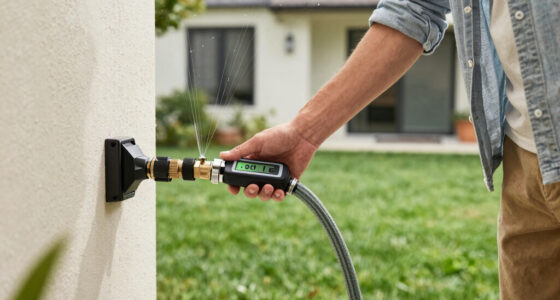
smart sprinkler controller with weather integration
As an affiliate, we earn on qualifying purchases.
As an affiliate, we earn on qualifying purchases.
How Weather Data Adjusts Your Watering Schedule
Weather data influences not only whether your system waters but also how much and how often. For example, if the forecast predicts cooler temperatures and high humidity, the system might reduce watering duration or frequency because evaporation rates are lower and plants need less water. Conversely, during hot, dry spells, the controller might extend watering times or increase frequency to compensate for increased evaporation and plant water demand.
Understanding these adjustments is key—it’s about creating a balance that maintains healthy soil moisture without overwatering. The implications are significant: a homeowner who knows how weather impacts watering can manually set thresholds or preferences, such as maximum watering duration or soil moisture targets. This knowledge enables proactive management, avoiding both under- and overwatering, which can cause plant stress or waste water. It also means that your system becomes more resilient to changing weather patterns, ensuring consistent lawn health even as conditions fluctuate unpredictably.
As an affiliate, we earn on qualifying purchases.
Comparison: Traditional Timers vs. Smart Controllers Using Weather Data
| Feature | Traditional Timer | Smart Controller with Weather Data |
|---|---|---|
| Watering Schedule | Set manually, fixed times | Automatically adjusts based on weather |
| Rain Awareness | None, runs rain or shine | Skips watering if rain is forecasted or soil is moist |
| Water Savings | Minimal, often wasteful | Can reduce outdoor water use by 30-50%, depending on conditions |
| User Control | Manual or fixed schedule | Adjustable via app, override options |
| Integration | None | |
| Weather Data Source | N/A | APIs from weather services & soil sensors |
Choosing between these options involves understanding the tradeoffs. Traditional timers are simple but lack responsiveness, often leading to water waste or drought stress. Smart controllers, while more complex and sometimes more expensive, provide adaptive watering that responds to real-time conditions, saving water and promoting healthier landscapes. The key is recognizing that investing in weather-aware systems can lead to significant long-term savings and environmental benefits, making your yard management smarter and more sustainable.
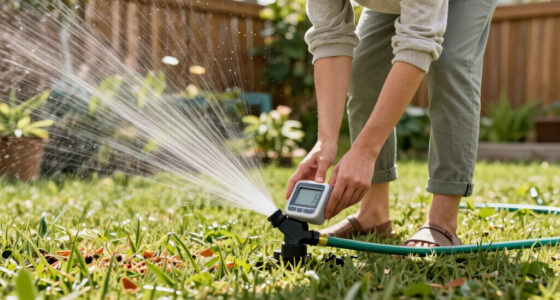
weather-based lawn sprinkler system
As an affiliate, we earn on qualifying purchases.
As an affiliate, we earn on qualifying purchases.
How to Set Up Your Weather-Driven Sprinkler System in 3 Easy Steps
- Connect your controller to Wi-Fi and link it to a weather forecast service or app. Ensure your internet connection is stable for real-time updates.
- Configure your watering preferences, including minimum watering times, rain delay thresholds, and soil moisture targets if applicable. Understanding these settings helps tailor the system to your yard’s specific needs.
- Test the system on a dry day to verify it responds correctly to weather updates. Observe whether it skips watering when rain is forecasted or soil is moist, and adjust your settings accordingly for optimal performance.
For example, a homeowner installs a controller, links it to their local weather API, sets a rain delay of 48 hours, and observes it skipping watering during forecasted rain. By monitoring and adjusting these parameters, you ensure the system functions efficiently, saving water and reducing manual oversight.
soil moisture sensor for irrigation
As an affiliate, we earn on qualifying purchases.
As an affiliate, we earn on qualifying purchases.
What Are the Limits of Weather-Based Watering?
Weather data, while valuable, isn’t infallible. Forecast accuracy varies depending on the source, region, and weather volatility. For example, sudden thunderstorms can appear with little warning, or forecasts might underestimate rainfall in certain microclimates. Soil moisture sensors help bridge this gap by providing real-world data, but they too have limitations—they might not detect rapid changes or deep soil saturation.
Understanding these limitations is crucial. Overreliance on forecasts alone can lead to missed watering opportunities or unnecessary watering. Combining forecast data with soil moisture sensors and manual oversight allows you to develop a more resilient watering strategy. This hybrid approach helps prevent drought stress or overwatering, ensuring your lawn remains healthy despite unpredictable weather patterns. The tradeoff is that more sophisticated systems require initial investment and ongoing calibration, but the payoff is more precise control and water savings.
What Are the Practical Benefits of Using Weather Data for Watering?
Using weather data transforms your yard management from reactive to proactive, offering tangible benefits that go beyond water savings. By tailoring watering schedules to actual conditions, you promote a healthier, more resilient lawn that can withstand droughts and heavy rains alike. Studies show homeowners can reduce outdoor water use by 20-50%, which directly translates to lower utility bills and less strain on local water resources.
Practically, this means fewer muddy patches, less runoff that can carry fertilizers into storm drains, and healthier plants with less risk of disease caused by overwatering. For example, if a forecast predicts rain overnight, your system can skip the entire watering cycle, preventing unnecessary runoff and conserving water for drier days. This proactive approach not only benefits your lawn but also contributes to environmental sustainability, making your yard a responsible and smart part of your community’s water management efforts.
Frequently Asked Questions
How accurate is weather data in these systems?
Weather data accuracy depends on the source and your location. In most urban and suburban areas, forecasts are quite reliable for a 24-48 hour window. For volatile weather regions, combining weather forecasts with soil moisture sensors provides the best results.
Can I override the automatic watering if I want to water manually?
Absolutely. Most systems let you manually start or stop watering through an app or physical control. It’s a handy feature if you want to water during rain or skip scheduled watering temporarily.
Do weather-based controllers work year-round?
Yes, but their benefits are most noticeable during seasons with variable weather. In winter or dry climates, they can still help prevent overwatering or water waste during rainy months.
What happens if the weather forecast is wrong?
If forecasts are inaccurate, your system might water unnecessarily or skip watering when it’s needed. Soil moisture sensors can help mitigate this by providing real-world data about your yard’s needs.
Conclusion
Using weather data isn’t just a fancy feature — it’s a practical way to cut water waste and keep your lawn thriving. These smart controllers act like a weather-aware gardener, making real-time decisions to give your yard exactly what it needs.
So, if you’re serious about saving water and fussing less with your sprinkler, investing in a weather-smart system might be your best move. Your lawn will thank you — and your utility bill will, too.
Fall yard work Picks
leaf blowers
As an affiliate, we earn on qualifying purchases.