
TL;DR

Get home appliances delivered free with Prime
- Fast, free delivery on millions of items
- Prime Video, Amazon Music and more included
- Member-only deals all year
Watering new grass seed requires consistent moisture during germination. Using timers and smart irrigation helps you keep the soil evenly moist, improving seed sprouting and reducing water waste.
Imagine your brand-new grass seed sitting patiently, waiting to sprout. Without enough water, it stays dormant. Too much water, and it drowns or rots. The secret? A carefully planned watering schedule that keeps the soil just right. Using timers makes this easy—no guesswork, no missed sessions. In this guide, you’ll learn how to set your timers for optimal germination, what real-world schedules look like, and how smart tech can save you water and boost your lawn’s success.
Whether you’re starting a small patch in your backyard or overseeding a larger lawn, understanding the right watering rhythm is key. It’s about mimicking nature—gentle, frequent moisture that encourages roots to reach deep. Ready to turn your lawn into a lush oasis? Let’s dive into how to master watering schedules for your new grass seed.
Consistent moisture during the first 2-3 weeks is critical for successful germination.
Water early morning, around sunrise, to reduce evaporation and fungal risks.
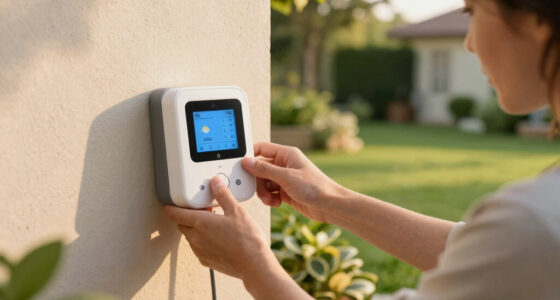
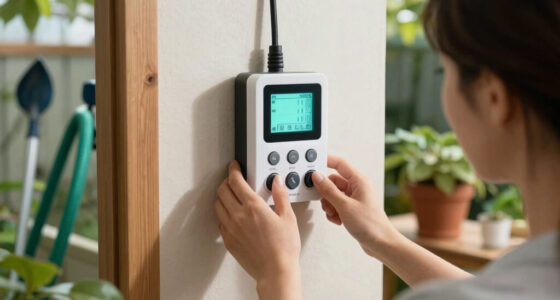
Using timers with multiple cycles simplifies maintaining the ideal watering schedule.
Smart irrigation tech and soil sensors optimize watering, saving water and improving seed sprouting.
Avoid overwatering and inconsistent schedules—regular soil checks help keep conditions ideal.
Why Watering Properly Is the #1 Secret to Germination Success
Water is the lifeblood of germinating seeds. It activates enzymes, softens the seed coat, and helps the seed swell—all vital steps for sprouting. Think of it like giving your new grass a gentle hug every day.
For example, during the first two weeks, keeping the soil moist—about ¼ to ½ inch of water—encourages steady germination. This moisture level is critical because it ensures the seed has enough water to activate metabolic processes without creating conditions that foster disease or rot. If the soil is too dry, seeds remain dormant or fail to sprout; if too wet, they can drown or develop fungal infections like damping-off, which can quickly kill young seedlings. Consistent moisture creates a cozy environment where roots can push through soil and reach for the sun, establishing a strong foundation for growth. Achieving this balance often requires understanding your soil type and weather conditions, as they influence how much water is needed. Neglecting this can lead to patchy germination or weak seedlings, making your lawn vulnerable to weeds and pests later on. Research from agricultural science confirms that irregular watering can drop germination rates by as much as 30%. That’s a big deal when you’re trying to establish a healthy lawn, as it directly impacts the density and durability of your turf in the long run.
As an affiliate, we earn on qualifying purchases.
How to Set a Watering Schedule That Keeps Your Grass Happy
Follow this simple plan to keep your new grass seed happy:
- Water early in the morning, around sunrise, when the air is cool and evaporation is low. This timing allows water to soak in deeply and reduces the risk of fungal diseases that thrive in damp, warm evening conditions.
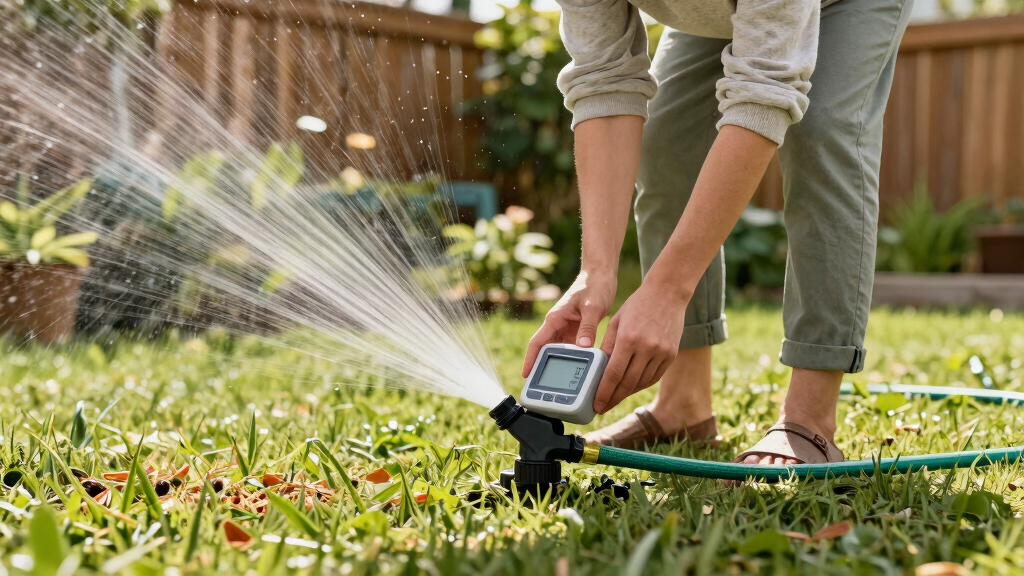
- Keep the soil moist but not soggy—aim for about 10-15 minutes per session, depending on your sprinkler flow and soil type. Over-watering can lead to waterlogged soil, suffocating roots and promoting fungal growth, while under-watering leaves seedlings dry and weak.
- Water twice a day during the first 2-3 weeks: once in the morning, again early afternoon if the weather is hot and windy. This mimics natural rainfall patterns and ensures the soil remains consistently moist, which is crucial for seed sprouting and early root development.
- Adjust based on rainfall—skip watering if it rained overnight or during a thunderstorm. Overly wet soil can drown seeds or create conditions for disease, so monitoring weather helps prevent overwatering.
- Switch to deeper, less frequent watering after germination to encourage strong, deep roots—about once every 2-3 days, watering longer. This transition helps the young grass develop resilience against drought and stress.
For example, if you set your timer to run for 10 minutes early morning and again at noon, you’ll mimic the natural moisture cycle. This schedule ensures seeds stay moist enough to sprout without drowning, fostering healthy growth and a robust root system. The key is consistency—irregular watering can cause stress to the young plants, leading to patchy growth or failure to establish. Adjust your timing based on weather patterns and soil conditions to maintain this delicate balance.
As an affiliate, we earn on qualifying purchases.
Compare Common Timer Settings for Germinating Grass Seed
| Setting | Frequency | Duration | Best For |
|---|---|---|---|
| Every 12 hours | Twice daily | 10-15 minutes | Germination phase, first 2-3 weeks |
| Once daily | Once in the morning | 15-20 minutes | Post-germination deep watering to strengthen roots |
| Every 24 hours | Once daily | 10-15 minutes | Maintaining moisture during hot, dry spells |
Choosing the right setting depends on your soil, weather, and seed type. The key is keeping the soil consistently moist without oversaturating it. Using a timer with multiple cycles makes this simple and reliable, but understanding the implications of each setting helps you tailor watering to your lawn’s needs. For example, frequent short cycles promote shallow roots, which can be vulnerable during drought, while less frequent, longer watering encourages deeper root growth—more resilient in dry conditions. The tradeoff is balancing water use efficiency with the plant’s needs for healthy development.
soil moisture sensor for grass seed
As an affiliate, we earn on qualifying purchases.
As an affiliate, we earn on qualifying purchases.
Smart Tech and Soil Sensors Make Watering Easier and Smarter
Smart irrigation controllers and soil moisture sensors are game-changers. They automatically adjust watering based on real-time data—rain, temperature, and soil moisture—so you don’t over- or under-water. This technology helps prevent the common mistake of watering on a fixed schedule that might not match actual conditions, which can lead to water waste or inadequate moisture. By responding dynamically to weather and soil data, these systems optimize watering, ensuring your grass gets exactly what it needs when it needs it. Imagine a sensor that detects soil moisture dropping below a certain threshold and then triggers your timer to water just enough to keep seeds happy. It’s like having a personal gardener watching over your lawn 24/7, but with more precision and less effort. This not only improves germination rates but also conserves water—an essential consideration amid increasing drought concerns and water restrictions. According to an anonymous researcher, using soil moisture sensors can reduce water use by up to 30%, while significantly boosting germination success. These systems are especially helpful during unpredictable weather or if your schedule makes manual watering hard, offering peace of mind that your lawn is receiving optimal care.
programmable garden watering timer
As an affiliate, we earn on qualifying purchases.
As an affiliate, we earn on qualifying purchases.
Common Mistakes and How to Avoid Them When Watering New Grass
Many homeowners make mistakes that sabotage germination. Here’s what to watch out for:
- Overwatering: Leads to soggy soil, seed rot, and fungal diseases. Excess water can drown young roots, reduce oxygen in the soil, and create ideal conditions for pathogens, ultimately stunting growth or killing seedlings.
- Inconsistent watering: Causes seeds to dry out or drown, reducing germination chances. Fluctuating moisture levels stress seedlings, making them vulnerable to disease and pests, and can result in patchy, uneven lawns.
- Watering at the wrong time: Evening watering leaves soil damp overnight, inviting disease and fungal growth. Morning watering allows excess moisture to evaporate during the day, decreasing disease risk and promoting healthier growth.
- Using a faulty timer: Failing to set multiple cycles or durations can upset the delicate moisture balance. An unreliable timer might under- or over-water, leading to poor germination and weak seedlings.
To avoid these pitfalls, monitor your soil moisture regularly, adjust schedules based on weather changes, and consider investing in smart timers or sensors for precise control. Regularly checking your sprinkler heads for proper spray coverage ensures uniform watering. Remember, the goal is to maintain a consistent, moist environment without waterlogging, which is essential for healthy seedling development and establishing a resilient lawn.
Frequently Asked Questions
How often should I water new grass seed during germination?
Water once or twice daily during the first 2-3 weeks, aiming for about 10-15 minutes per session. Adjust based on weather and soil moisture to keep the top inch consistently moist.
What’s the best time of day to water new grass seed?
Early morning, around sunrise, is ideal. It allows water to soak in, reduces evaporation, and helps prevent fungal issues that can arise from evening dampness.
Can I use a regular hose timer to water new grass seed?
Yes, but choose one that can be programmed for multiple cycles per day and is rated for outdoor use. This flexibility helps mimic natural watering patterns crucial for germination.
How do smart timers or soil moisture sensors improve germination?
They automate watering based on real-time soil conditions, ensuring consistent moisture and reducing water waste—key factors in successful seed sprouting.
What should I do if my grass seed isn’t germinating?
Check your watering schedule, soil contact, seed quality, and soil temperature. Adjust your watering routine, ensure good seed-to-soil contact, and reseed if necessary.
Conclusion
Think of watering your new grass seed as giving it a gentle daily hug—consistent, careful, and just enough. Setting up a reliable timer schedule makes that easy, freeing you from guesswork and helping your lawn thrive from the start. With a little planning, your patch of soil will soon burst with lush, green growth.
Remember, the right schedule isn’t just about watering—it’s about creating a perfect environment for your grass to grow strong and deep roots. So, set your timers, watch the weather, and enjoy your thriving lawn.
Halloween Picks
halloween
As an affiliate, we earn on qualifying purchases.