
TL;DR

Get home appliances delivered free with Prime
- Fast, free delivery on millions of items
- Prime Video, Amazon Music and more included
- Member-only deals all year
To water container plants automatically while on vacation, choose the right system based on your plants and budget. Options range from self-watering pots to advanced smart irrigation with sensors, all designed to keep plants healthy with minimal effort during your absence.
Leaving for a trip and worried about your beloved container plants drying out? It’s a common concern, but there are practical ways to keep your plants thriving without constant attention. Whether you have a handful of small pots or a garden full of containers, a reliable automatic watering setup can be a game-changer.
In this guide, you’ll learn about different types of systems, how to choose the right one, and tips for setting it up so your plants stay lush and healthy while you’re away. No need to stress—just plan ahead, and your green friends will thank you.
Choose a system based on your plant types, container size, and budget—simple options work for small setups, while advanced tech suits larger gardens.
Incorporate timers, emitters, and reservoirs for a reliable, hands-free watering plan that can last for days or weeks.
Smart sensors and Wi-Fi-enabled controllers help prevent overwatering and allow remote adjustments, saving water and time.
Always test your system before leaving, checking for leaks, blockages, and proper water flow to avoid surprises.
Tailor watering schedules to each plant’s needs—diverse container gardens require zone-specific or adjustable solutions.
How to Water Container Plants Automatically While on Vacation
Match the system to your plants, pot sizes, location, trip length, and budget—then test it before departure. From bottle wicks to sensor-driven drip irrigation, the right setup keeps roots consistently moist without turning containers into swamps.
Start simple—or scale for the whole container garden
Small indoor collections can rely on passive systems. Larger outdoor arrangements benefit from timers, tubing, adjustable emitters, and separate watering zones.
Self-watering pots
A built-in reservoir supplies moisture as the potting mix needs it. Easy to use and tidy indoors.
Best: individual plantsBottle wicks
A water bottle or nearby reservoir feeds the soil through a wick. Capacity determines how long it lasts.
Best: short tripsCapillary mats
Small pots draw water upward from a damp mat, making this useful for grouped seedlings and houseplants.
Best: clusters of small potsTimed drip irrigation
Tubing and emitters target each root zone. Adjustable flow supports containers with different demands.
Best: rows and mixed gardensSoaker hoses
Porous hose releases water gradually. It works best where containers can be grouped closely together.
Best: outdoor groupingsSmart irrigation
Wi-Fi, Bluetooth, weather data, and moisture sensors enable remote control and demand-based watering.
Best: frequent travelersPick by scale, autonomy, and control
No system wins every category. Prioritize reliability first, then decide how much customization and remote access your garden actually needs.
| System | Setup effort | Mixed plant needs | Long-trip potential | Outdoor ready | Remote control |
|---|---|---|---|---|---|
| Self-watering pot | Low | ~ | Reservoir-dependent | ~ | ✗ |
| Bottle wick | Low | ~ | Usually limited | ~ | ✗ |
| Capillary mat | Low–medium | ~ | Tank-dependent | ✗ | ✗ |
| Timed drip | Medium | ✓ | Strong | ✓ | ~ |
| Soaker hose | Medium | ✗ | Strong with timer | ✓ | ~ |
| Smart irrigation | Medium–high | ✓ | Excellent | ✓ | ✓ |
✓ strong fit ✗ limited fit ~ depends on configuration
Six steps to reliable vacation watering
Plan for pressure, elevation, reservoir capacity, and the exact position of every emitter. A dependable installation is mapped, calibrated, observed, and tested.
Map the containers
Group pots by location and moisture demand. Note slopes and elevation changes.
Install the timer
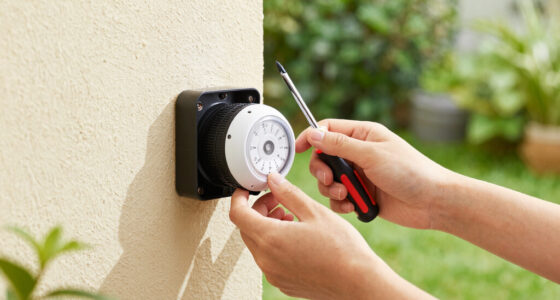
Attach a mechanical, digital, or smart controller to the water source.
Run the lines
Connect tubing or wicks and secure each outlet near the active root zone.
Set the schedule
Begin with plant needs, then adjust for heat, wind, shade, and container size.
Test and observe
Run full cycles and inspect flow, soil moisture, drainage, leaks, and dry spots.
Fill and verify
Top up reservoirs, clean filters, confirm batteries, and perform a final cycle.
Match water delivery to real plant demand
Container size, foliage, sun exposure, wind, and weather all change demand. Use adjustable emitters or zones instead of forcing every pot onto one identical cycle.
From passive supply to responsive watering
Five rules worth remembering
The best system is not necessarily the most advanced. It is the one that fits your garden, runs predictably, and has been tested under real conditions.
Match plant types, container sizes, location, trip length, and budget.
Timers cannot help if a reservoir empties before you return.
Place outlets where roots can use the water efficiently.
Use adjustable emitters or zones for thirsty and drought-tolerant plants.
Inspect pressure, leaks, clogs, soil moisture, and drainage before leaving.
For a few pots, use self-watering containers or wicks. For larger collections, choose timed drip irrigation with adjustable emitters. Add moisture sensors and remote control when changing weather or mixed plant needs justify the extra cost.
Pick the Best Watering System for Your Container Garden
Automatic watering starts with choosing the right system. For small setups, simple self-watering pots or water bottle wicks work great. For larger or outdoor gardens, drip irrigation or soaker hoses provide even coverage and flexibility.
Consider your plants’ needs, your budget, and how much effort you want to put into setup and maintenance. For example, a few hanging baskets might just need a self-watering insert, while a row of outdoor containers benefits from a more robust drip system.
automatic drip irrigation system for container plants
As an affiliate, we earn on qualifying purchases.
As an affiliate, we earn on qualifying purchases.
Essential Components to Automate Your Container Watering
Setting up an automatic watering system involves a few key parts:
- Timer or Controller: Digital timers or smart controllers that schedule watering cycles. These devices are crucial because they determine when and how often your plants receive water, directly impacting their health. A poorly timed system can lead to overwatering, causing root rot, or underwatering, leading to stressed plants. Investing in a reliable timer allows you to fine-tune watering schedules based on weather and plant needs.
- Water Source: Garden hose, outdoor faucet, or a dedicated reservoir. The choice of water source influences the system’s complexity and sustainability. For instance, using rainwater collection can be eco-friendly and cost-effective but requires setup considerations like gutters and filters.
- Tubing and Emitters: Flexible hoses, drip emitters, or wicks directing water to each container. Proper placement of emitters ensures even watering, which is vital for root development. Incorrect placement can lead to dry spots or over-saturated soil, risking plant health. Choosing adjustable emitters allows customization for different plants’ water needs.
- Reservoirs: Large water tanks or buckets that hold enough water for your entire vacation period. The size and placement of reservoirs determine how long your system can operate without refilling. Larger reservoirs reduce the need for frequent refills but require more space and initial setup time. Their capacity impacts the system’s autonomy and reliability during extended trips.
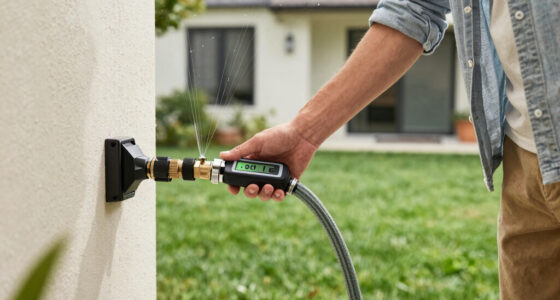
For example, a simple setup might connect a timer to a garden hose with drip emitters in each pot, providing targeted watering. Larger or more complex systems might include self-filling reservoirs that automatically top up from rainwater or a nearby tap, reducing manual intervention and ensuring continuous operation.
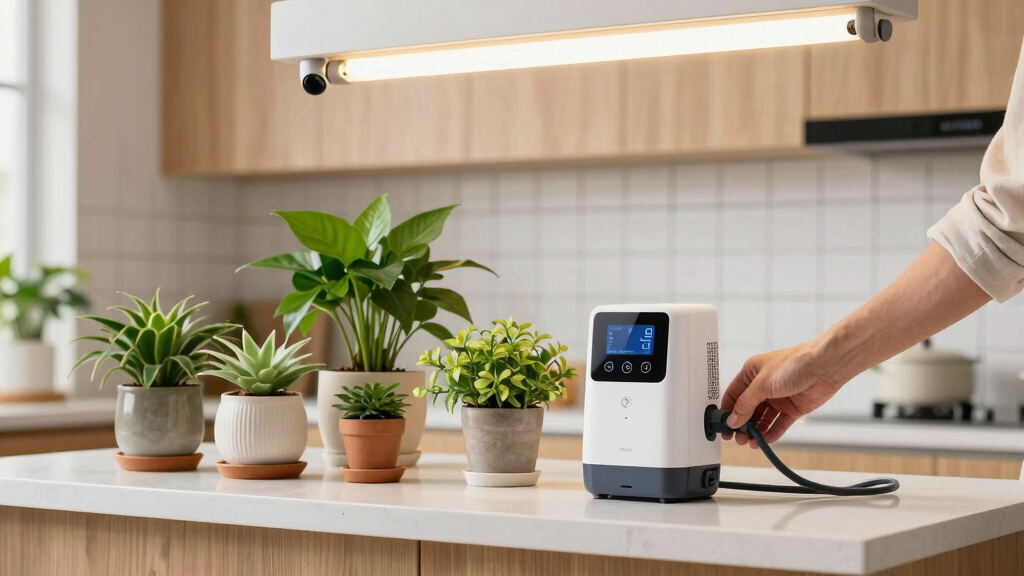
smart watering system for potted plants
As an affiliate, we earn on qualifying purchases.
As an affiliate, we earn on qualifying purchases.
Step-by-Step Setup for Reliable Vacation Watering
- Plan your layout: Map out where each container sits and how water will reach it. Proper planning prevents water wastage and ensures all plants receive adequate moisture. Consider elevation differences, as gravity can influence water flow, and position tubing accordingly.
- Install the timer: Attach it to your water source, ensuring it’s set to the right time and frequency. A well-calibrated timer prevents over- or under-watering, which can stress plants or waste resources. Think about weather patterns—if rain is expected, adjust the schedule remotely if your system allows.
- Connect tubing or wicks: Run tubes from the timer to each container, placing emitters or wicks where roots need water. Proper placement ensures water reaches the root zone efficiently. Avoid placing emitters too close to stems or leaves, as this can promote disease or uneven watering.
- Set your watering schedule: For most container plants, watering every 1-3 days works, but adjust for weather and plant type. Hotter, windier days may require more frequent watering, while cooler periods need less. Use moisture sensors if available to fine-tune schedules based on actual soil moisture levels.
- Test the system: Run a cycle before leaving, checking for leaks, dry spots, or overwatering. Observing the system’s operation helps you identify issues early and make adjustments. This step is vital to prevent surprises during your absence.
- Fill reservoirs: Ensure your water source or reservoir is topped off before departure. Confirm that the system is functioning correctly and that water flow is consistent. Filling reservoirs to capacity ensures continuous operation, especially during extended trips.
For example, setting a drip line to water a row of hanging baskets every morning keeps roots moist without overwatering. Adjust the timing based on heat or rain forecasts for best results. Regular testing and adjustments ensure your system remains reliable and effective during your absence.
As an affiliate, we earn on qualifying purchases.
Smart Tech and How It Makes Vacation Plant Care Easier
Smart irrigation systems are the latest innovation, letting you control watering from your phone. Many connect via Wi-Fi or Bluetooth, offering schedules, moisture sensors, and remote adjustments. This connectivity not only adds convenience but also allows for real-time monitoring, which is crucial if weather conditions change unexpectedly.
For example, a soil moisture sensor can detect when plants need water, activating the system only then. This targeted approach prevents overwatering, which can lead to root diseases, and underwatering, which stresses plants. It also conserves water by reducing unnecessary watering, making your system both eco-friendly and economical.
Recent developments include automated reservoirs that refill themselves from rainwater or greywater sources, and eco-friendly designs that harvest rainwater. These advancements make watering more precise and sustainable, reducing your manual effort and environmental impact. Incorporating such smart features can significantly enhance plant health and system reliability, especially during extended absences.
garden watering timer with sensors
As an affiliate, we earn on qualifying purchases.
As an affiliate, we earn on qualifying purchases.
How to Keep Your Plants Hydrated Without Overdoing It
Adjusting watering to your plants’ real needs prevents both drought stress and root rot, which are common issues caused by over- or under-watering. Using timers with adjustable settings or soil moisture sensors helps you fine-tune your system, ensuring each plant gets just the right moisture level.
For example, setting a drip system to run for 15 minutes every morning might be perfect for your outdoor containers on a hot day. If rain is forecasted, you can remotely delay or skip watering, preventing waterlogging and runoff. This approach minimizes waste and promotes healthy root development.
Monitoring your plants’ response over time—such as observing leaf color, soil moisture, and growth—helps you refine schedules further. Remember, container plants typically need watering every 1-3 days, but this varies with climate, plant type, and container size. Balancing these factors ensures your plants stay healthy without the risks associated with improper watering.
Managing Multiple Containers with Different Water Needs
If you have a variety of plants—succulents, ferns, flowering annuals—each may need different watering schedules. Zone-specific systems or adjustable emitters let you customize without complicated setups. This tailored approach is critical because different plants have unique moisture requirements; neglecting this can lead to stressed or dying plants.
For example, a succulent pot might only need watering once every two weeks, while a thirsty fern needs daily moisture. Installing separate zones or using emitters with adjustable flow allows you to deliver precise amounts of water to each group. This customization reduces waste, prevents overwatering delicate plants, and ensures that each plant’s specific needs are met, promoting overall garden health.
By managing these differences effectively, you maintain a vibrant, diverse container garden where each plant thrives according to its natural requirements, rather than a one-size-fits-all watering schedule.
Troubleshooting Common Issues Before You Leave
Before you head out, run your system through a full cycle. Check for leaks, blockages, or dry spots. Make sure reservoirs are filled and that no parts have shifted. Addressing these issues beforehand prevents failures that could harm your plants during your absence. Regular maintenance, like cleaning emitters and inspecting hoses, is essential to keep the system functioning properly over time.
If you notice dry areas, adjust emitter placement or flow rate. Clogged emitters are common; clear them with a pin or replace if needed. Regular maintenance keeps your system reliable and your plants happy. Remember, a well-maintained system reduces the risk of surprises, such as overwatering or dry patches, which can compromise plant health during extended periods away.
For example, a quick inspection revealed a blocked drip emitter in a hanging basket, which I cleared with a pin. After that, watering was even and consistent, preventing potential stress or damage to the plants. Investing a little time in troubleshooting ensures your system remains effective and your plants stay healthy during your absence.
Frequently Asked Questions
What is the simplest automatic watering system for beginners?
Self-watering pots or water bottle wicks are the easiest options. They require minimal setup—just fill and place—and work well for small numbers of containers.
How long can my container plants survive without manual watering?
Most container plants need watering every 1-3 days, depending on weather and plant type. With a good system, you can extend that to a week or more, especially with larger reservoirs.
Are smart watering systems worth the extra cost?
Yes, they offer convenience, precise watering, and water savings. For frequent travelers or busy gardeners, smart systems reduce stress and improve plant health.
How do I prevent overwatering or underwatering?
Use adjustable timers or soil moisture sensors. These tools help deliver the right amount of water at the right time, based on your plants’ needs and weather conditions.
Can I automate outdoor container watering with different needs?
Absolutely. Zone-specific systems or adjustable emitters let you customize schedules for each plant, ensuring everyone gets what they need without overwatering others.
Conclusion
Automatic watering for container plants isn’t just a luxury; it’s a smart way to protect your greenery during absences. With the right setup, you can relax knowing your plants are well-cared-for, even if you’re miles away.
Think of your system as a silent guardian—sipping rainwater, adjusting to weather, and delivering just enough moisture. Your plants will thank you, and you’ll enjoy peace of mind every time you pack your bags.
NFL season / tailgating Picks
team gear
As an affiliate, we earn on qualifying purchases.