
TL;DR

Get home appliances delivered free with Prime
- Fast, free delivery on millions of items
- Prime Video, Amazon Music and more included
- Member-only deals all year
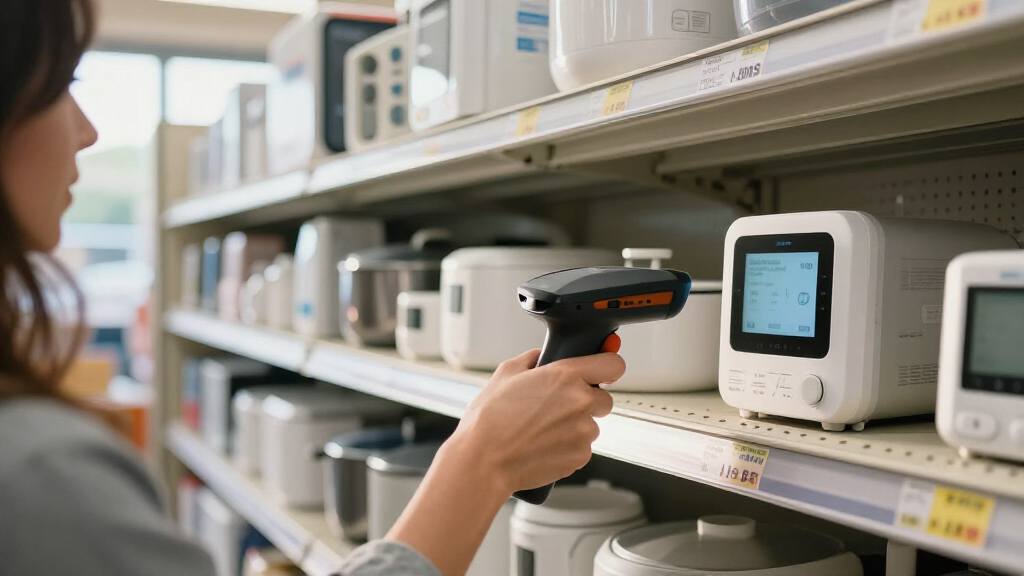
Walmart has announced a new price tag system intended to enable real-time price changes in stores. The update could significantly impact how consumers shop and compare prices, though full details remain undisclosed.
Walmart has introduced a new price tag system that will allow for real-time price adjustments in its stores, a move that could significantly change the shopping experience for consumers. The company has not yet disclosed specific timelines or full operational details, but the update signals a shift toward more dynamic pricing strategies in brick-and-mortar retail.
Walmart’s new price tag system is designed to enable store prices to be updated instantly, potentially reflecting fluctuations in supply, demand, or promotional strategies. This development was announced in recent internal communications and has sparked widespread interest among consumers and industry analysts.
According to sources familiar with Walmart’s plans, the updated system involves electronic price tags that are connected to a centralized pricing platform. This allows store managers or automated systems to modify prices quickly without replacing physical tags manually. The move aligns with broader retail trends toward digital transformation and real-time data utilization.
While Walmart has not officially confirmed the full scope or rollout schedule, industry insiders suggest that the system could be tested in select locations before a wider deployment. The company has emphasized that customer transparency and pricing accuracy will remain priorities during this transition.
Potential Impact on Consumer Shopping Habits
This update could fundamentally change how consumers compare prices and make purchasing decisions in physical stores. Real-time price adjustments may lead to more competitive pricing, but also raise concerns about price consistency and transparency. If successful, Walmart’s initiative might pressure other retailers to adopt similar digital pricing systems, accelerating a shift toward more dynamic in-store pricing models. For shoppers, this could mean more personalized or fluctuating prices, which might influence shopping strategies and perceptions of fairness.Products Worth Considering

EGO POWER+ HT2600 26-Inch Cordless Hedge Trimmer (Battery and Charger Not Included)

EGO Power+ Cordless Electric Leaf Blower, 880 CFM, with Two 4.0Ah Batteries (LB8803-2)

Metabo HPT 18V Paper Tape Cordless Framing Nailer (30° Kit) NR1890DCA
As an affiliate, we earn on qualifying purchases.
Retail Industry Trends Toward Digital and Dynamic Pricing
The move by Walmart reflects ongoing industry trends where retailers increasingly leverage digital technologies to optimize pricing and inventory management. Electronic shelf labels have been adopted by some competitors, but Walmart’s scale and rapid development suggest a significant push toward real-time pricing capabilities. Historically, in-store prices have been static, with updates requiring manual effort, but the rise of electronic tags and centralized systems is changing this landscape. The announcement comes amid broader consumer interest in price transparency and savings, especially given recent inflationary pressures and economic uncertainty. The exact timeline for Walmart’s rollout remains unconfirmed, and details about how the system will handle price fluctuations or customer notifications are still emerging.Details on Implementation and Consumer Experience Still Unclear
It is not yet clear how Walmart will communicate price changes to shoppers or how often prices will fluctuate in stores. The specifics of customer notifications, potential discounts, or safeguards against confusing pricing are still unknown. Additionally, the timeline for a full rollout and whether all stores will adopt the system remain unconfirmed. Experts caution that the success of this initiative depends heavily on execution and transparency, which are still being worked out.
Expected Pilot Programs and Industry Response
Walmart is likely to initiate pilot programs in select stores to test the new electronic price tags and centralized pricing system. Observers expect initial implementations to focus on key product categories before broader deployment. Industry analysts will be watching closely for consumer reactions, retailer adaptations, and any regulatory or legal considerations related to dynamic pricing transparency. Walmart may also release further details and timelines as testing progresses, shaping the future of in-store pricing strategies.
Key Questions
If implemented widely, the new system could mean more competitive and responsive pricing, but it might also lead to fluctuating prices that require shoppers to stay alert for updates. Transparency measures are expected to be part of the rollout, but details are still emerging.
There is no confirmed timeline yet. Walmart is likely to begin pilot programs soon, with a broader rollout depending on the success of initial tests and logistical considerations.
Will this system make prices more stable or more variable?
It is uncertain. The system is designed for real-time updates, which could lead to more variable prices, but Walmart has indicated that transparency and fairness will be priorities.
Could other retailers adopt similar systems?
Yes, if Walmart’s pilot proves successful, other large retailers may accelerate adoption of electronic shelf labels and dynamic pricing systems to stay competitive.
Source: rss