
TL;DR

Get home appliances delivered free — and shop member deals
- Fast, free delivery on millions of items
- Access to Prime Big Deal Days deals on October 6–7
- Prime Video, Amazon Music and more included
Matter is a new, open-source connectivity standard that unifies smart home device communication. It promises easier setup, better security, and greater compatibility for smart plugs and timers, simplifying your home automation experience.
Imagine plugging in a smart device and having it instantly work with your existing setup, no matter the brand. That’s the promise of Matter, the latest connectivity standard shaking up the smart home world. For homeowners, this means fewer headaches, fewer compatibility surprises, and a more reliable, secure experience.
In this guide, you’ll see how Matter impacts your smart plugs and timers—two essentials for automating your home. From setup to security, we’ll break down what you need to know to stay ahead of this game-changing shift.
Matter standardizes smart device communication, making setups faster and more reliable.
Most new smart plugs and timers will support Matter, simplifying integration across ecosystems.
Firmware updates will bring Matter support to many existing devices, prolonging their usefulness.
Security is a core part of Matter, protecting your home automation from hacking risks.
Expect the smart home market to flood with affordable, interoperable, and secure devices in the next year.
What is Matter and why does it matter for your smart plugs and timers?
Matter is a universal language for smart home gadgets, created to bridge the gap between different brands and platforms. Think of it as a translator that helps your smart plugs and timers talk smoothly with any ecosystem—Apple, Google, Amazon, or others. Essentially, Matter cuts through the confusion that’s long plagued smart home setups, making devices more reliable and easier to install.
For example, a smart plug supporting Matter can switch on your coffee maker every morning, no matter if you use an iPhone or an Alexa device. That’s the power of standardized communication, with security baked in to protect your data.
Understanding why Matter matters requires recognizing the current fragmentation in smart home tech. Without standards, consumers often face compatibility issues, app conflicts, and unreliable device performance. By adopting Matter, the industry aims to unify these disparate systems, reducing complexity and enhancing user confidence. This shift could lead to lower costs, faster device deployment, and more innovative features, as manufacturers no longer need to create multiple versions for different ecosystems. However, it also requires users to update their expectations—fewer proprietary lock-ins, but a reliance on the ecosystem’s commitment to support the standard over time.
As an affiliate, we earn on qualifying purchases.
How Matter makes setup for your plugs and timers a breeze
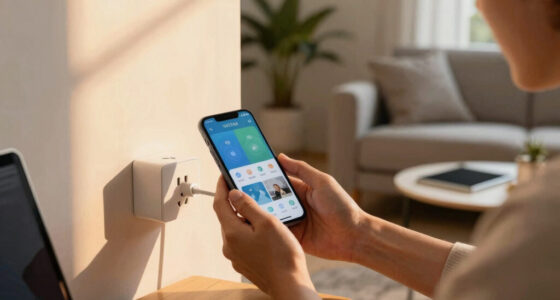
Setting up a smart plug or timer used to mean wrestling with confusing apps and multiple account logins. Now, with Matter, it’s as simple as scanning a QR code or pressing a button. Many new devices come with a quick setup process that takes less than a minute.
For instance, imagine buying a Belkin smart plug. You turn it on, scan a QR code from the app, and it’s ready to go—automatically compatible with your existing smart home system. No more fiddling with different apps or waiting for firmware updates.
This simplicity is not just about convenience; it’s about accessibility. By reducing setup time and complexity, Matter lowers the barrier for less tech-savvy users to participate in home automation. It also minimizes the risk of setup errors, which can cause devices to malfunction or become insecure. For homeowners, the key practical takeaway is to look for devices that advertise Matter support and follow manufacturer instructions for initial setup—often involving just a quick scan or press. Once configured, these devices are more likely to integrate smoothly with your existing ecosystem, reducing frustration and ensuring reliable operation over time.
As an affiliate, we earn on qualifying purchases.
Compare traditional vs. Matter-enabled plugs and timers
| Feature | Traditional Smart Plugs & Timers | Matter-Enabled Devices |
|---|---|---|
| Setup Time | 5-10 minutes, often frustrating | Less than 2 minutes, simple scan or button press |
| Compatibility | Limited to specific ecosystems or brands | Works across Apple, Google, Amazon, and more, reducing the need for multiple devices |
| Reliability | Sometimes disconnects or needs frequent resets, especially if firmware is outdated or ecosystems change | More stable due to standardized protocols and ongoing updates, leading to fewer disconnections |
| Security | Varying levels; some rely on outdated encryption, increasing risks of vulnerabilities | Built with robust, standardized security features, providing stronger protection against hacking |
In essence, moving to Matter-compatible devices isn’t just about convenience; it’s about creating a more resilient, secure, and future-proof smart home. While traditional devices may still serve well, the tradeoff is often higher frustration, limited compatibility, and potential security gaps. Choosing Matter-enabled devices aligns your home with industry standards, reducing the need for future upgrades and simplifying management.
As an affiliate, we earn on qualifying purchases.
What you need to know about upgrading your existing timers and plugs
If you already have smart plugs or timers, don’t rush to replace everything. Many manufacturers are rolling out firmware updates to add Matter support. Check your device’s app or website for updates—some may start supporting Matter in the next few months.
However, if your device isn’t compatible yet, or if you’re planning a major upgrade, consider replacing it with a Matter-certified model. Doing so can improve your system’s overall reliability, security, and ease of integration. When choosing new devices, look for certifications and compatibility labels—these indicate adherence to the Matter standard, ensuring your investment will be future-proof and easier to manage.
Practical decision-making involves assessing your current ecosystem’s openness and your willingness to upgrade. For example, if you use Z-Wave timers that aren’t yet compatible with Matter, you might consider switching to Wi-Fi or Thread-based devices that support the standard. This proactive approach minimizes the risk of obsolescence and maximizes your home’s automation potential over the coming years.
smart home device hubs with Matter
As an affiliate, we earn on qualifying purchases.
As an affiliate, we earn on qualifying purchases.
Why security is a core part of the Matter standard
Matter isn’t just about convenience; it’s built with security in mind. The standard uses end-to-end encryption and secure device onboarding, making hacking much harder. Imagine your smart timer not just turning on lights, but doing so with confidence that no hacker can intercept or manipulate the signals.
This focus on security means your data stays private, and your devices are protected from common vulnerabilities. According to an anonymous researcher, this robust security is one of the main reasons major brands are eager to adopt Matter. It also means that consumers can trust that their devices will receive timely security updates and that the ecosystem as a whole is designed to resist threats—an essential feature as our homes become more connected and sensitive to cyberattacks.
In practical terms, this means that adopting Matter can significantly reduce the risk of breaches and data leaks, making your home automation safer for everyone. It also sets a standard that encourages manufacturers to prioritize security, leading to a more trustworthy smart home environment.
Frequently Asked Questions
Will my current smart plugs and timers support Matter?
Some devices may receive firmware updates to support Matter, but many will require replacement. Check with your manufacturer for specific plans and timelines.How does Matter improve the setup process?
Matter simplifies onboarding to a quick scan of a QR code or a single press of a button, greatly reducing setup time and frustration.Are all smart home ecosystems compatible with Matter?
Most major platforms like Apple HomeKit, Google Home, and Amazon Alexa are working toward full compatibility, but support may vary by device and brand.Will Matter make my devices more secure?
Yes, security is a built-in priority in the Matter standard, using encryption and secure onboarding to protect your data and devices.When will I start seeing more Matter-compatible plugs and timers?
Expect to see many new devices in 2023 and 2024, with existing devices gradually supporting the standard through firmware updates.Conclusion
The shift to Matter is more than a tech upgrade — it’s a new way to think about home automation. Imagine a future where your smart plugs and timers just work, seamlessly and securely, no matter who made them.
For now, keep an eye on firmware updates and new product releases. The smart home you’ve envisioned is getting more straightforward — and more reliable — than ever before.
Fall Picks
fall essentials
As an affiliate, we earn on qualifying purchases.