TL;DR

Get home appliances delivered free with Prime
- Fast, free delivery on millions of items
- Prime Video, Amazon Music and more included
- Member-only deals all year
Automating your flagpole and accent lighting makes your home look vibrant and patriotic with less effort. Use timers, smart systems, or solar options to control lights easily, save energy, and enhance curb appeal. Proper setup involves choosing the right technology and weatherproof fixtures.
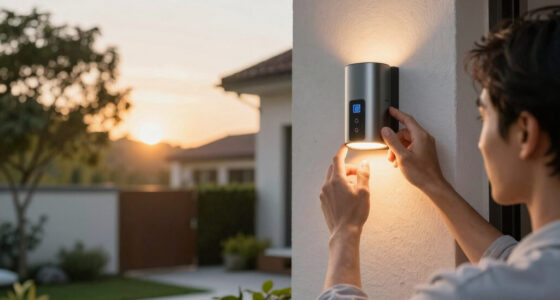
Imagine your flag waving proudly in the evening glow, or your garden spotlighting a favorite tree, all without lifting a finger. Automating flagpole and accent lighting turns your outdoor space into a vibrant showpiece while cutting down on energy waste and manual effort.
Whether you want a cozy glow for family gatherings or a bright display for holidays, smart lighting makes it simple. In this guide, you’ll learn how to set up reliable automation, choose the right tech, and keep your outdoor lighting shining perfectly—no matter the weather.
Choose weatherproof, LED fixtures to maximize longevity and efficiency.
Combine timers, photocells, and smart controls for reliable automation.
Solar fixtures are easy to install but depend on sunlight—plan accordingly.
Position lights carefully to highlight features without glare or light pollution.
Regular maintenance keeps your system shining bright and working reliably.
How to Automate Flagpole and Accent Lighting
Turn a flagpole, pathway, favorite tree, or architectural detail into a polished evening feature—without switching lights on by hand. The right mix of efficient fixtures, reliable controls, careful placement, and simple maintenance delivers curb appeal with less energy waste.
Choose weatherproof LED fixtures, automate them with a timer, photocell, smart controller, or hybrid setup, then aim and test every light after dark. Solar is easiest to install; wired power is the most consistent.
Potential increase in nighttime flag visibility when lighting is properly positioned and automated.
Potential LED energy reduction compared with traditional incandescent lighting.
Build the scene around darkness: control the time, direct the beam, and illuminate only what matters.
Choose, install, connect and test.
Smart, timer, photocell, or motion.
Efficient, bright, and long-lasting.
Start at sunset; stop when light is no longer needed.
Match the fixture to the feature
Begin with what you want people to notice. Flagpoles need controlled, upward illumination; paths need low, even guidance; trees and façades benefit from focused accent beams. In every case, use outdoor-rated housings and efficient LEDs.
Flood or spot
Mount near the base and aim toward the moving flag. Use a beam wide enough to cover its likely positions without throwing light into windows or the sky.
Priority: coverage + glare controlFocused landscape light
Highlight trees, stonework, columns, or garden elements with a narrow or adjustable beam. Let shadow create depth instead of flooding the entire yard.
Priority: contrast + precise aimingLow-level guidance
Space fixtures evenly and keep output restrained. The goal is safe movement and visual rhythm—not a runway effect or harsh pools of brightness.
Priority: safety + consistencyAutomate the scene in three moves
Treat control, placement, and programming as one connected system. A powerful fixture cannot compensate for poor aiming, and an elegant schedule cannot rescue unreliable power.
Choose the brain
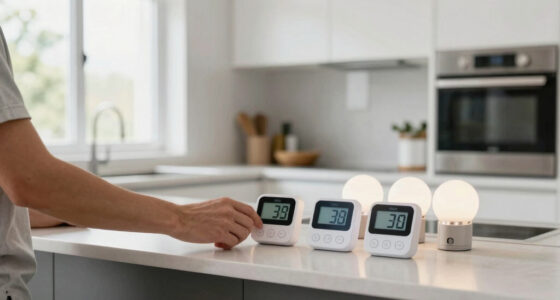
Use a smart controller for remote access, a timer for simplicity, a photocell for dusk-to-dawn response, or combine them for seasonal flexibility and dependable fallback.
Shape the beam
Install at the flagpole base, beside pathways, or near the feature. Aim away from windows, neighbors, roads, and open sky to reduce glare and wasted light.
Verify after dark
Connect power, set sunset-based schedules, and observe the result at several times. Correct blind spots, spill, shadows, and over-bright areas before finalizing the scene.
A Wi-Fi-enabled floodlight at the flagpole base switches on at sunset and off at midnight. The flag remains visible during active evening hours while the scheduled shutoff limits unnecessary overnight energy use.
Wired, solar, or smart?
The best system depends on your tolerance for installation work, local sunlight, desired controls, and need for consistent output. Smart describes the control layer and can often be paired with wired power.
| Feature | Wired electrical | Solar power | Smart Wi-Fi |
|---|---|---|---|
| Installation | ~Outdoor wiring; professional help is often wise | ✓Plug-and-place DIY setup | ~Pairing, app setup, and Wi-Fi coverage |
| Upfront cost | Higher | Lower | Moderate; varies by ecosystem |
| Reliability | ✓Consistent power | ~Sunlight and weather dependent | ~Depends on power and network stability |
| Control | Switch, timer, or photocell | Usually photocell or built-in schedule | App, voice, scenes, dimming, schedules |
| Best fit | Permanent, high-reliability installations | Sunny locations and wiring-free projects | Flexible routines and remote management |
Decision shortcut: choose wired for consistency, solar for installation ease, and smart control for flexibility. A hybrid wired-plus-smart system often delivers the broadest capability.
Bright where needed. Off when not.
LEDs reduce the load; scheduling reduces operating hours; dimming reduces excess output. Layering all three creates a polished result with less waste.
Use outdoor ratings
Weatherproof fixtures and protected connections resist rain, snow, humidity, and corrosion.
Control glare
Aim toward the feature, shield the source, and avoid spill into windows, roads, and open sky.
Clean and inspect
Clear lenses preserve brightness; checking connections catches corrosion or looseness early.
Recheck the scene
Adjust schedules, trim plants, clear snow, and reposition fixtures as daylight and landscapes change.
Protect sun access
Place panels away from shade and debris. Expect shorter runtime during overcast winter periods.
Plan for connectivity
Confirm outdoor Wi-Fi coverage and retain a physical switch or local schedule when possible.
Every good result follows the same chain
A successful installation is not just a collection of fixtures. Each decision should connect the feature you want to reveal with the power, control, timing, and maintenance required to keep it reliable.
Five checks before you call it finished
Fixtures, cables, plugs, and connections are rated and protected.
The target is visible without glare, spill, or excessive sky glow.
The schedule tracks darkness and includes a sensible shutoff time.
Coverage has been reviewed after dark from multiple viewpoints.
Lenses, panels, connections, and controls remain easy to access.
Pick the Right Lights for Flagpoles and Your Garden
Choosing the right lighting is the foundation of a successful automation project. Flagpole lights are usually floodlights or spotlights mounted near the pole, designed to make your flag visible from a distance. Accent lights can be path lights, garden spotlights, or landscape fixtures that highlight architectural features or plants.
For a crisp, clean look, many homeowners opt for LED fixtures—they’re bright, long-lasting, and energy-efficient. Solar-powered lights are also popular for their easy installation and zero wiring needs. Think about your home’s style, the colors you want to highlight, and the weather in your area when selecting fixtures. Understanding why certain choices matter helps you weigh tradeoffs: LEDs may cost more upfront but save you money long-term through lower energy bills, whereas solar lights are easier to install but might be less reliable during overcast days or winter. Picking the right fixtures ensures your lighting remains effective and reduces the need for frequent replacements or adjustments, ultimately saving you time and money while enhancing your home’s curb appeal.
weatherproof LED outdoor floodlights
As an affiliate, we earn on qualifying purchases.
As an affiliate, we earn on qualifying purchases.
How to Set Up Automated Flagpole Lighting in 3 Easy Steps
- Choose your control method: smart system, timer, photocell, or a combination. Consider how each impacts convenience, reliability, and energy use. For example, a smart system offers flexibility and remote control, but may require a stable Wi-Fi connection and initial setup investment. Timers are simple and cost-effective but less adaptable to changing seasons. Photocells automatically turn lights on at dusk and off at dawn, reducing manual oversight. Weighing these options helps you select the best approach for your lifestyle and budget.
- Install your fixtures in optimal spots—near the flagpole base or along pathways for accent lighting. Proper placement affects not only the aesthetic appeal but also the effectiveness of your lighting. For instance, positioning floodlights at a height that evenly illuminates your flag prevents shadows and glare, making the flag more visible and patriotic. Similarly, aiming accent lights to highlight specific features without spilling light into unwanted areas minimizes light pollution and conserves energy.
- Connect your system, program your schedule, and test it out during different times of day to ensure perfect coverage. Testing is crucial because it reveals blind spots or glare that might not be obvious during setup. Adjusting the angles or timing ensures your lighting is both beautiful and efficient, reducing unnecessary energy consumption and maintenance costs over time.
For example, a homeowner installed a Wi-Fi-enabled floodlight at the flagpole base, linked it to a smartphone app, and scheduled it to turn on at sunset and off at midnight. The result? A patriotic display that automates itself, saving energy and effort while ensuring the flag is always well-lit when needed.
As an affiliate, we earn on qualifying purchases.
Compare Wired, Solar, and Smart Systems — Which Fits You?
| Feature | Wired Electrical | Solar Power | Smart Wi-Fi |
|---|---|---|---|
| Installation | Requires wiring, professional help recommended | Plug-and-play, easy DIY | Requires Wi-Fi, compatible with apps |
| Cost | Higher upfront, lower ongoing | Lower initial, minimal maintenance | Moderate, depends on system complexity |
| Reliability | Very reliable, consistent power | Weather-dependent, needs good sunlight | |
| Control | Switches or timers | App, voice control, schedules |
Understanding these differences helps you evaluate tradeoffs: wired systems offer consistent reliability but require professional installation, making them suitable for permanent, high-traffic areas. Solar options are easy to install and environmentally friendly, but their performance can vary with weather conditions, which might impact your lighting’s consistency. Smart systems provide advanced control features like remote operation and automation, but they depend on a stable Wi-Fi connection and may incur higher initial costs. Balancing these factors based on your priorities—cost, convenience, reliability—ensures you choose a system that best fits your home and lifestyle.
outdoor smart lighting control system
As an affiliate, we earn on qualifying purchases.
As an affiliate, we earn on qualifying purchases.
Best Practices for Installing and Maintaining Your Automated Lighting
- Use weatherproof fixtures rated for outdoor use—think of them as rainproof armor for your lights. This prevents damage from rain, snow, or humidity, which can cause corrosion or electrical faults if ignored. Properly rated fixtures extend the lifespan of your investment and reduce maintenance costs.
- Position fixtures carefully—avoid glare into windows and aim lights for maximum effect. Thoughtful placement not only enhances aesthetic appeal but also prevents light pollution that can disturb neighbors or wildlife. Proper aiming ensures your features are illuminated effectively without wasting energy on unnecessary areas.
- Regularly clean lenses and check connections—think of it as a spa day for your outdoor lights. Keeping lenses clear maintains brightness and color accuracy, while inspecting connections prevents potential failures caused by corrosion or loose wiring. Routine maintenance preserves system reliability and saves you from costly repairs later.
- Schedule routine checks during different seasons—winter snow or summer storms can impact performance. Seasonal adjustments, like trimming overgrown plants or repositioning fixtures, ensure your lighting remains effective year-round. Proactive maintenance helps catch issues early, preventing unexpected outages and prolonging fixture life.
For example, a homeowner in a rainy climate found that upgraded waterproof fixtures lasted twice as long and maintained brightness without flickering. This demonstrates how investing in quality fixtures and regular upkeep pays off over time, ensuring your outdoor lighting remains a beautiful, reliable feature of your home.
outdoor timer for landscape lighting
As an affiliate, we earn on qualifying purchases.
As an affiliate, we earn on qualifying purchases.
How to Save Energy and Keep Your Lighting Bright
Lighting smartly is about more than just turning lights on and off. Set your timers or schedules to match sunset and sunrise times—your lights won’t waste energy during the day. This synchronization ensures lights operate only when needed, reducing unnecessary energy consumption and extending bulb life.
LED bulbs cut energy use by up to 80% compared to incandescent bulbs, and dimming features add ambiance without extra power. Dimming not only saves energy but also allows you to customize the mood of your outdoor space, making your lighting more versatile. Motion sensors can turn lights on only when needed—perfect for security or pathways. This targeted approach minimizes waste, enhances safety, and prolongs fixture lifespan.
For example, a homeowner installed motion-activated pathway lights that only turn on when someone approaches, reducing energy use by 60% while keeping paths lit and safe. This method balances energy efficiency with safety, ensuring your outdoor areas are well-lit when necessary without wasting resources.
Frequently Asked Questions
Can I install outdoor lighting myself?
Yes, especially solar or plug-in systems. However, wired electrical setups require professional help to ensure safety and compliance with local codes. Always turn off power before working on electrical connections.
How do I program my outdoor lighting to turn on at sunset?
If you use a timer or smart system, you can set it to follow sunset times automatically. Many apps and timers have location-based sunset adjustments, so your lights sync perfectly with the changing seasons.
Are solar-powered lights reliable in winter?
Solar lights depend on sunlight, so in winter, their performance may decrease if days are short or cloudy. Choose models with larger panels and batteries to improve winter reliability, or supplement with wired fixtures if needed.
What’s the biggest mistake homeowners make when automating outdoor lights?
Many forget to weatherproof fixtures or accidentally aim lights where they create glare or light pollution. Proper placement and quality fixtures prevent these issues and keep your display looking sharp.
Conclusion
Automating your flagpole and accent lighting isn’t just about convenience—it’s a smart move for beauty, security, and energy savings. With the right setup, your home will glow with pride, effortlessly.
Imagine a warm, welcoming glow filling your yard at twilight, all scheduled automatically. That’s the power of smart outdoor lighting—simple, beautiful, and just a tap away.
Cold & flu season Picks
humidifiers
As an affiliate, we earn on qualifying purchases.