TL;DR

Get home appliances delivered free with Prime
- Fast, free delivery on millions of items
- Prime Video, Amazon Music and more included
- Member-only deals all year
Aquarium timer stacks allow you to control lights, CO₂ injection, and air pumps with one coordinated schedule. Recent smart features and flexible programming make maintenance simpler and your tank more stable.
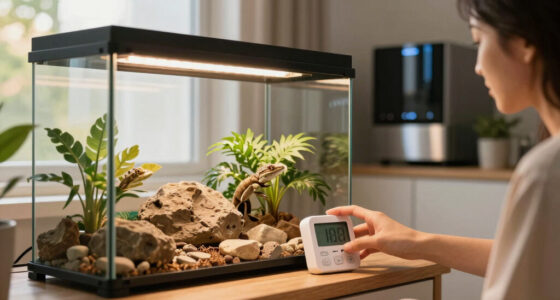
Imagine walking into your living room and seeing your aquarium glow softly as the lights turn on, CO₂ injection kicks in, and the air pump hums steadily. All on a schedule you set once, then forget. That’s the power of an aquarium timer stack.
These integrated systems do more than just turn devices on and off. They create a stable environment for your fish and plants, minimize manual tweaks, and even save energy. If you’re tired of juggling multiple timers or manually adjusting equipment, you’re about to discover a game-changer.
Choose a timer stack with enough outlets and programmable features for all your devices.
Use a unified schedule to promote stable pH, oxygen, and plant growth, reducing manual adjustments.
Opt for smart timer stacks with remote control, customizable ramping, and safety features.
Test your schedule thoroughly and fine-tune for smooth operation.
Prioritize safety: use GFCI outlets and consult professionals for high-wattage or complex setups.
Aquarium automation field guide
Aquarium Timer Stacks: Lights, CO₂ & Air Pumps on One Schedule
A coordinated timer stack turns separate devices into one stable daily rhythm. Lighting follows a dependable photoperiod, CO₂ supports plants when it is useful, and aeration helps maintain oxygen—all with fewer manual adjustments.
01 / Example daily rhythm
Build the schedule around the tank’s biology
A unified schedule does not mean every outlet switches at the same moment. It means each device follows a deliberately connected sequence. The timing below is an illustrative starting point—observe your livestock, plants and water parameters before fine-tuning.
Air on
Begin circulation and oxygen support before the primary viewing period.
Lights rise
Start the photoperiod or use a gradual dawn ramp when supported.
CO₂ begins
Coordinate dosing with the active planted-tank lighting window.
CO₂ ends
Stop injection before the lighting cycle finishes.
Lights down
Close the day with a dusk ramp and planned overnight aeration.
02 / Why synchronization matters
Consistency is the real automation advantage
Timer stacks reduce the daily variability created by missed switches, mismatched clocks and devices running longer than intended.
Fewer parameter swings
Coordinated lighting, CO₂ and aeration can help keep pH and oxygen patterns more predictable across each day.
Resources arrive on cue
A repeatable lighting window paired with deliberate CO₂ timing gives aquatic plants a more consistent operating environment.
Less unnecessary runtime
Equipment switches off during low-need periods, reducing wasted energy and avoiding continuous operation by accident.
Fewer manual adjustments
Once tested, a dependable program handles repetitive switching while the aquarist focuses on observation and care.
Gentler transitions
Advanced ramping can imitate dawn and dusk, limiting abrupt environmental changes that may stress aquatic life.
Keep individual control
Deep integration is convenient, but every device should remain independently adjustable when tank conditions change.
Reported synchronized automation can improve plant growth by up to 30% while supporting more stable pH. Treat this as a potential outcome, not a guarantee: tank type, plant load, nutrients, equipment and schedule quality all affect results.
03 / Stack selection
Basic control or advanced automation?
Choose for the tank you actually run. A basic stack is often enough for straightforward on/off cycles; advanced systems earn their place when ramping, remote access, backups or broader integrations materially improve care.
| Feature | Basic timer stack | Advanced timer stack |
|---|---|---|
| Number of outlets | ~4–6 | ✓8–16+ |
| Programmable schedules | ~Simple on/off | ✓Custom ramping and sunrise/sunset effects |
| Remote control | ✕Usually unavailable | ✓Wi-Fi or Bluetooth app support |
| Fail-safes | ~Limited | ✓Battery backup and surge protection options |
| Integration | ~Standalone timers | ✓Aquarium controllers and home automation |
| Best fit | ✓Simple, stable setups | ✓Complex planted, reef or monitored systems |
Decision rule / Buy enough controlled outlets, wattage capacity and scheduling flexibility—then add complexity only when it solves a real care need.
Feature depth
Relative capability profile based on the supplied basic-versus-advanced comparison.
Control spectrum
More automation adds precision and convenience, but also cost, setup effort and dependence on a single control system.
04 / Setup protocol
From power strip to dependable system
Start conservatively, document each outlet and confirm every device’s behavior before allowing the program to run unattended.
Size the stack
Count devices, confirm total wattage and reserve outlets for likely additions. Check compatibility with each load type.
Map every outlet
Connect lights, CO₂ and air pumps separately. Label each plug so overrides and troubleshooting stay unambiguous.
Program the sequence
Set individual start, stop and ramp periods around the tank’s biological needs—not just viewing convenience.
Test and refine
Run several complete cycles while observing equipment, livestock, plants and parameters. Correct gaps and overlaps.
Water demands a higher standard
Use a grounded, GFCI-protected outlet. Keep the timer stack dry, create drip loops, verify wiring and protect controls from children and pets.
Plan for faults and outages
Look for surge protection, schedule memory or battery backup. Consult a licensed electrician for high-wattage, overloaded or complex installations.
05 / Five takeaways
The practical checklist
Match the timer stack to your present device count, electrical load and likely expansion.
Use one daily rhythm while preserving independent control for each device.
Remote control, seasonal schedules, ramping and backups should solve genuine care or resilience needs.
Watch several complete cycles and fine-tune timing before relying on unattended operation.
Use GFCI protection, grounded outlets, drip loops and professional advice where load or installation complexity warrants it.
System traceability
How one schedule creates a steadier tank
Why a Single Schedule for Lights, CO₂, and Air Pumps Boosts Your Tank’s Health
When your aquarium’s core systems operate on one synchronized schedule, everything works in harmony. Lights mimic natural day-night cycles, CO₂ levels stay consistent for healthy plant growth, and air pumps oxygenate water evenly.
For example, a hobbyist with a heavily planted tank noticed that their plants thrived when lights, CO₂, and aeration followed a unified timetable. The result? Faster growth, clearer water, and less daily fuss.
Using one schedule reduces fluctuations in pH and oxygen levels. It also cuts down on energy waste, because your devices aren’t running longer than needed. The key is choosing a timer stack that can handle multiple devices with flexible programming.
However, it’s important to consider the tradeoff: a highly integrated system can be less flexible if you need to make frequent, independent adjustments for specific devices. Finding a balance between synchronization and individual control is crucial for optimal tank health.
aquarium timer switch with multiple outlets
As an affiliate, we earn on qualifying purchases.
As an affiliate, we earn on qualifying purchases.
How to Set Up a Timer Stack That Handles Multiple Devices Easily
- Choose a timer stack with enough outlets and programmable features for your needs. Look for smart options if remote control matters.
- Connect your lights, CO₂ system, and air pump to different outlets on the stack.
- Set your desired schedule for each device—like lights turning on at 8 a.m., CO₂ starting at 8:15, and air pumps running from 7 a.m. to 9 p.m. These schedules should align with your tank’s biological and aesthetic needs.
- Adjust ramp-up or ramp-down times if your timer supports gradual changes—useful for sunrise/sunset effects or gentle CO₂ increases. This helps prevent sudden shifts that could stress aquatic life.
- Test your schedule for a few days, watching for any overlaps or gaps. Fine-tune as needed. Remember, the goal is to mimic natural conditions as closely as possible for optimal health and growth.
For example, a reef tank owner used a programmable timer stack to gradually increase lighting and CO₂, mimicking dawn. The subtle transition improved coral health and reduced algae outbreaks. This approach underscores the importance of understanding your specific tank’s requirements and adjusting schedules accordingly.
smart aquarium lighting and CO2 control system
As an affiliate, we earn on qualifying purchases.
As an affiliate, we earn on qualifying purchases.
Compare Basic vs. Advanced Timer Stacks for Aquarium Control
| Feature | Basic Timer Stack | Advanced Timer Stack |
|---|---|---|
| Number of outlets | 4-6 | 8-16+ |
| Programmable schedules | Simple on/off | Custom ramping, sunrise/sunset effects |
| Remote control | Usually no | Wi-Fi/Bluetooth app support |
| Fail-safes | Limited | Battery backup, surge protection |
| Integration | Basic timers only | Supports automation systems, home integration |
Understanding these differences is vital because a basic timer might suffice for simple setups, but it limits your ability to create nuanced lighting and CO₂ schedules that mimic natural conditions. Advanced stacks, with their ramping and remote features, enable more precise control, which can lead to healthier plants and more stable parameters. The tradeoff involves cost and complexity, so assess your tank’s needs carefully before investing.
aquarium automation timer with remote control
As an affiliate, we earn on qualifying purchases.
As an affiliate, we earn on qualifying purchases.
What to Look for in a Smart Timer Stack for Your Aquarium
Smart timer stacks add Wi-Fi or Bluetooth connectivity, letting you control and monitor your setup from your phone. Features like custom schedules, sunrise effects, and remote overrides make life easier.
For example, a hobbyist with a busy schedule appreciated adjusting lighting remotely during vacations, ensuring their plants and fish stayed healthy without manual intervention. This flexibility can be crucial for maintaining optimal conditions during absences or irregular work hours.
Look for units with surge protection, battery backups, and compatibility with your existing automation or smart home systems. These features not only prevent mishaps but also ensure continuous operation during power outages, which can be critical for sensitive tanks. Investing in such features means you’re prioritizing safety and stability, reducing the risk of equipment failure or environmental swings that can harm aquatic life.
As an affiliate, we earn on qualifying purchases.
Safety Tips When Using Aquarium Timer Stacks
Always plug your timer stack into a grounded outlet. Use GFCI outlets for extra safety, especially around water. This prevents electrical shocks and protects your equipment from power surges.
Double-check your wiring before powering on—water and electricity are a dangerous mix. Keep timers out of reach of curious pets or children to prevent accidental disconnection or damage.
If you’re wiring multiple devices or adding high-wattage equipment, consider consulting a licensed electrician to avoid overloads or code violations. Proper installation ensures your setup is safe, reliable, and compliant with electrical standards. Remember, safety is not just about avoiding accidents but also about ensuring your system’s longevity and consistent performance.
Recent Tech Boosts Make Aquarium Automation Smarter Than Ever
New timer stacks include Wi-Fi connectivity, enabling remote control and real-time adjustments. Some models support seasonal schedules, automatically changing settings based on the time of year. This automation reduces manual oversight and helps maintain stable conditions throughout the year.
Advanced programming allows for gradual ramping of lights and CO₂, mimicking natural sunrise and sunset. This reduces stress on aquatic life and promotes natural behaviors, leading to healthier, more vibrant tanks.
Energy-efficient models cut power use by turning devices off during low-need periods, saving you money and reducing your carbon footprint. These innovations collectively enhance your ability to create a more natural, stable environment with less effort and greater precision.
Frequently Asked Questions
Can I control multiple devices with one timer stack?
Yes. Most timer stacks have multiple outlets, so you can run lights, CO₂, and air pumps on one schedule. Just ensure the unit supports your total wattage and device types.
Are smart timer stacks worth the extra cost?
Absolutely. They offer remote control, advanced scheduling, and seasonal adjustments that can improve your tank’s stability and reduce manual work. Plus, they often include safety features like surge protection.
How do I program a complex schedule for different devices?
Follow the manufacturer’s instructions, typically through a smartphone app or digital interface. Set individual on/off times, ramping periods, and cycles for each outlet based on your tank needs. Testing and fine-tuning ensure everything runs smoothly.
What safety features should I prioritize?
Look for GFCI outlets, surge protection, and battery backups. These protect your equipment and prevent electrical hazards, especially in water-rich environments.
Can I integrate a timer stack into my existing automation system?
Many advanced timer stacks support integration with aquarium controllers and home automation platforms. Check compatibility before purchase, and consider professional help if needed for complex setups.
Conclusion
Automating your aquarium with a well-chosen timer stack transforms routine maintenance into a set-it-and-forget-it routine. Your fish, plants, and your own peace of mind will thank you.
Picture your tank running seamlessly—lights, CO₂, and air all in perfect harmony. That’s the beauty of a smart, integrated schedule. Why not set yours today?
Cold & flu season Picks
humidifiers
As an affiliate, we earn on qualifying purchases.