
TL;DR
Listen free for 30 days with Audible
Thousands of audiobooks and originals — cancel anytime.
Start your free trialAs an affiliate, we earn on qualifying purchases.
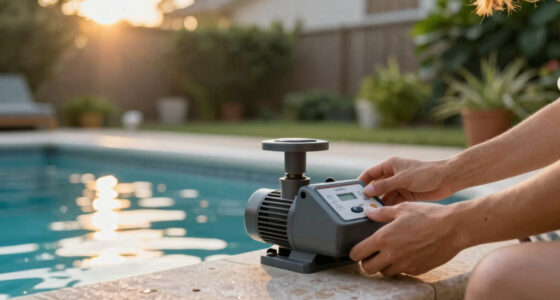
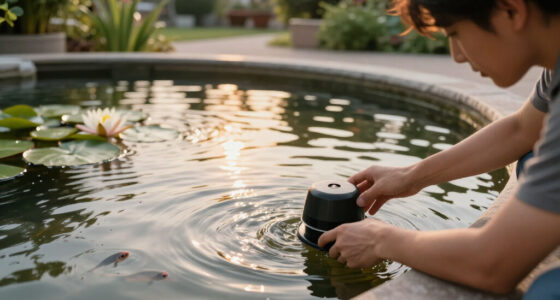
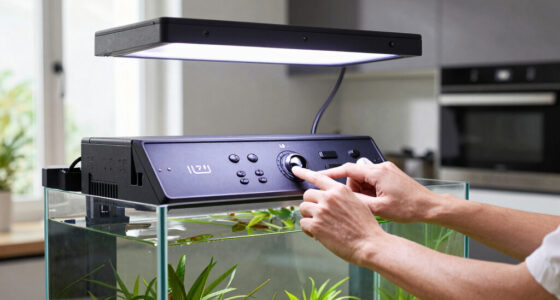
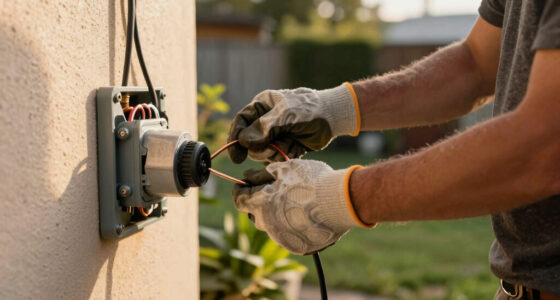
Use timers to automate pond pumps and fountains during peak hours to save energy and maintain water quality. Leave critical systems like biological filters running continuously for healthy ecosystems. Smart timers offer remote control and better efficiency.
Automating pond and fountain systems isn’t just about convenience — it’s about creating a healthy, vibrant aquatic environment while saving energy and reducing maintenance. A well-placed timer can keep your pond crystal clear, oxygen-rich, and lively, without wasting electricity or risking algae blooms. But the key is knowing what to automate and what should stay on, all based on your pond’s unique needs.
Think of your pond as a living ecosystem. Some components, like biological filters, need continuous attention, while others, like decorative fountains, can be scheduled for specific times. This guide walks you through the latest timer options, what to automate, and what’s better left running all the time.
Use smart Wi-Fi timers for flexible control and energy savings.
Schedule filtration pumps during daylight hours to reduce algae risk.
Keep biological filters running continuously if your pond has fish or sensitive plants.
Incorporate weather sensors to avoid unnecessary operation during rain or cloudy days.
Match your automation schedule to seasonal sunlight and pond activity patterns.
Types of Pond and Fountain Timers You Can Use
Choosing the right timer is your first step. Mechanical timers are simple, reliable, and affordable. They work like a light switch, turning your pump on or off at set times. While they are straightforward, they lack the precision to adapt to changing conditions or seasonal variations, which can lead to unnecessary energy use or insufficient filtration. Digital timers offer more advanced control, allowing you to set multiple programs, adjust run times easily, and incorporate features like sunrise/sunset settings. This flexibility means you can tailor your pond’s operation to different seasons, reducing waste and promoting healthier pond conditions. Smart Wi-Fi timers connect to your home network, enabling remote control via smartphone apps. They often include weather sensors and automatic adjustments, making pond management more responsive and energy-efficient. For instance, a homeowner with a large pond installed a Wi-Fi-enabled timer that adjusts run times based on sunset times, reducing energy use by 20% during winter months. The right timer depends on your pond size, complexity, and control preferences, but investing in smart technology can significantly improve your pond’s health and your convenience.

BN-LINK Outdoor 24-Hour Mechanical Timer Outlet, 2 Grounded Outlets
- Mechanical 48-Pin Control: Sets 30-minute intervals without buttons
- Waterproof Outdoor Design: Rainproof casing for outdoor use
- Dual Grounded Outlets: Controls two devices simultaneously
As an affiliate, we earn on qualifying purchases.
As an affiliate, we earn on qualifying purchases.
Latest Trends Making Pond Timer Control Smarter and Easier
Smart technology is transforming pond automation by providing more precise, adaptable, and user-friendly options. Wi-Fi-connected timers allow you to control pumps and filtration systems remotely, giving you the ability to respond to changing weather conditions or pond needs without being physically present. Sensors that detect sunlight or water flow can automatically trigger pumps to optimize oxygen levels and water clarity, reducing manual adjustments. Eco-friendly designs focus on low power consumption, which not only cuts costs but also minimizes the environmental footprint of your pond setup. Some timers now sync with weather forecasts, intelligently skipping unnecessary operation during rain or overcast days, thereby conserving energy and reducing wear on your equipment. These innovations mean your pond can be healthier, more energy-efficient, and easier to manage, ultimately leading to a more balanced aquatic ecosystem. The implications are significant: you can maintain a thriving pond with less effort, fewer manual interventions, and lower operational costs, all while supporting the environment.

Kasa Outdoor Smart Plug KP401, Smart Home Wi-Fi Outlet Timer
- Extended Wi-Fi Range: Up to 300 feet with weather resistance
- Weatherproof Design: IP64 waterproof cover included
- High Power Capacity: Supports up to 15A/1875W
As an affiliate, we earn on qualifying purchases.
As an affiliate, we earn on qualifying purchases.
What to Automate for a Healthy Pond (and What to Keep Running 24/7)
Automating functions that benefit from scheduled operation is crucial for balancing energy efficiency with pond health. For example, scheduling filtration pumps during daylight hours makes sense because algae and debris are most active when sunlight is abundant, aiding in their removal and keeping the water clear. Running these pumps during peak sunlight maximizes their effectiveness, but this also means you need to weigh the energy costs and potential noise levels during busy times. Conversely, aeration fountains are best scheduled during mid-morning to late afternoon, aligning with periods when oxygen exchange is most critical, especially during warm months when oxygen levels tend to drop quickly. Proper timing ensures these systems support aquatic life without wasting energy during less critical periods. Recognizing the importance of these timeframes helps you optimize your pond’s overall health and operational costs. However, some systems demand constant operation because they support fundamental biological processes. Biological filters, which harbor beneficial bacteria essential for breaking down organic waste, must run continuously; any interruption can lead to stagnation, foul odors, and algae blooms, severely harming aquatic life. This creates a tradeoff: automating to save energy versus maintaining ecosystem stability. Understanding these implications helps you make informed decisions that sustain your pond’s health while managing costs effectively.
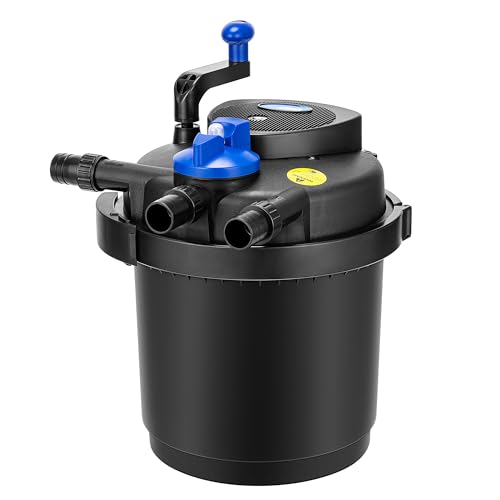
VIVOHOME 1580GPH Bio Pressure Pond Filter with 13W Light for Various Ponds
- High-Efficiency Pressure Filtering: Supports up to 1600 gallons with 1580 GPH flow
- Advanced Filtration System: Includes reusable coarse and fine sponges with clarifying lamp
- Easy Cleaning and Maintenance: Switch modes, backflush, and detach lid easily
As an affiliate, we earn on qualifying purchases.
As an affiliate, we earn on qualifying purchases.
Top 5 Tips for Setting Up Your Pond or Fountain Timer System
- Match your schedule to the seasons — longer daylight in summer, shorter in winter. This ensures your pond receives optimal filtration and aeration when needed most, preventing issues like algae blooms or oxygen depletion during critical periods.
- Use smart timers for flexibility — control from your phone or set automatic adjustments based on weather or seasonal changes. This adaptability reduces manual oversight and helps maintain consistent pond conditions, leading to healthier aquatic ecosystems.
- Program filters to run during the day when algae growth is active. Timing filtration during peak sunlight hours maximizes debris removal and reduces algae buildup, but it also requires balancing energy consumption with pond clarity goals.
- Keep biological filters running continuously if your pond supports fish or sensitive plants. These beneficial bacteria are vital for breaking down organic waste and maintaining water quality. Interrupting their activity can cause stagnation, foul odors, and algae blooms, which are costly and difficult to rectify.
- Incorporate weather sensors to prevent unnecessary operation during rain or overcast days. This prevents wasteful energy use, extends the lifespan of equipment, and maintains a stable pond environment that supports aquatic life.
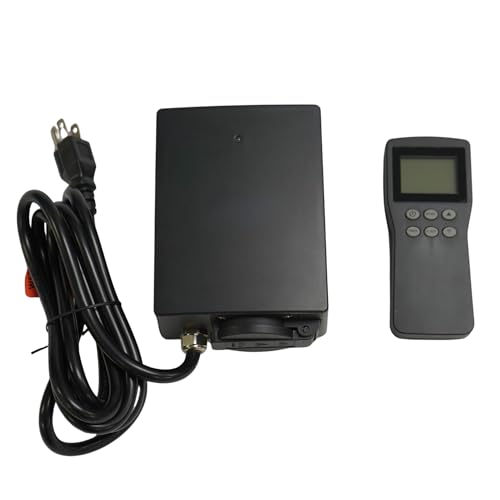
Half Off Ponds Wi-Fi Variable Speed Pump Controller
- Adjustable Flow Rate: Regulate from 10% to full capacity
- Programmable Timer: Schedule pump operation to save energy
- Smart Control: Manage via remote or Wi-Fi app
As an affiliate, we earn on qualifying purchases.
As an affiliate, we earn on qualifying purchases.
Comparison Table: Automate or Leave On?
| Component | Best Practice | Why |
|---|---|---|
| Filtration Pump | Schedule to run during the day | Reduces algae, maintains water clarity by removing debris when algae and organic matter are most active, leading to healthier water and less manual cleaning. |
| Aeration Fountain | Schedule 8 a.m. – 6 p.m. | Supports oxygen levels during warm hours when oxygen depletion can stress aquatic life, ensuring a stable environment for fish and plants. |
| Biological Filters | Run continuously | Maintain beneficial bacteria colonies vital for organic waste breakdown. Interrupting this process can cause water quality issues, foul odors, and algae blooms, which are costly to fix. |
| Lighting | Automate for evening aesthetic | Enhances pond appeal and safety, creating a pleasant environment at night while conserving energy by only activating lighting when needed. |
Questions Pond Owners Often Ask About Timers
Q1: How do I choose the right timer?
Pick one based on your pond size, system complexity, and control needs. Smart timers are best if you want remote access. Consider whether you need simple on/off scheduling or more advanced features like weather-based adjustments. The right choice balances ease of use, functionality, and cost, ensuring your pond stays healthy without unnecessary expense.
Q2: Should I run my pump 24/7?
Not necessarily. For ponds with biological filters and fish, some operation is essential to maintain water quality. However, scheduling the pump to run during peak biological activity or daylight hours can reduce energy costs while still supporting ecosystem health. The key is understanding your pond’s specific needs and adjusting accordingly to avoid stress on aquatic life or unnecessary energy waste.
Q3: Can I control timers from my phone?
Yes, smart Wi-Fi timers make remote control simple and effective. This feature allows you to adjust schedules, turn systems on or off, and monitor performance from anywhere, providing convenience and peace of mind.
Q4: How can I prevent algae?
Schedule your pumps during daylight, add UV sterilizers, and keep biological filters running as needed. These measures reduce nutrient buildup and algae growth, creating clearer water and healthier pond ecosystems.
Q5: Are smart timers worth it?
Absolutely. They boost convenience, save energy, and integrate with smart home setups for better pond health. The initial investment often pays for itself through energy savings and improved pond stability, making them a worthwhile upgrade for serious pond enthusiasts.
Conclusion
Smart scheduling with the right timers turns pond care from a chore into a breeze. Focus on automating functions that support water clarity and ecosystem health, while leaving critical systems on enough to keep your pond lively and balanced. Your pond — bright, clear, and thriving — will thank you for it.
Remember, the key is balance. Automate smartly, and enjoy a pond that’s beautiful and healthy without the constant fuss.
Grilling season Picks
grills
As an affiliate, we earn on qualifying purchases.