TL;DR

Get home appliances delivered free with Prime
- Fast, free delivery on millions of items
- Prime Video, Amazon Music and more included
- Member-only deals all year
Wiring a mechanical pool timer safely is simple if you follow safety steps and local codes. Turn off power, use GFCIs, and double-check connections to prevent shocks or damage. When in doubt, hire a professional.
Imagine the satisfying sound of your pool pump humming smoothly, controlled precisely by a timer you wired yourself. It’s a simple device, but wiring it correctly keeps your pool safe, saves energy, and prevents costly mistakes.
Whether you’re upgrading an old timer or installing a new one, understanding how to wire it safely is key. This guide walks you through the steps, highlighting real-world tips and safety precautions you can’t afford to miss.
Always turn off the breaker before wiring your pool timer to prevent shocks.
Use proper wire gauge—typically 14 or 12 AWG—for safe, reliable connections.
Ground wires and GFCIs are non-negotiable safety features in wet environments.
Follow the manufacturer’s wiring diagram precisely to avoid hazards.
Regularly inspect and maintain wiring to ensure longevity and safety.
Know What’s Inside a Mechanical Pool Timer Before You Start
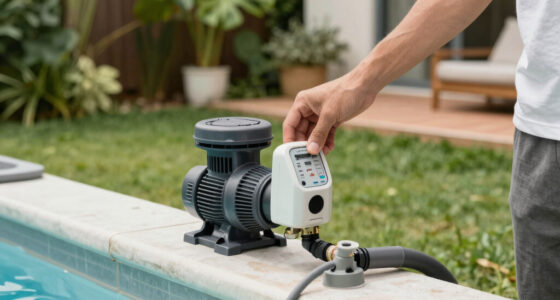
Mechanical pool timers are straightforward but packed with important parts. The main components include the dial or clock face that controls timing, the internal switch that turns the pump on and off, and the wiring terminals.
Picture opening the timer’s weatherproof housing—inside, you’ll see screw terminals labeled for line (hot), load (pump), and ground. Understanding what each part does helps prevent wiring mistakes that could lead to electrical hazards or equipment damage.
For example, a common mistake is connecting the live wire directly to the pump without going through the timer switch. This bypasses the control function and can be dangerous.
Why this matters: Properly understanding these components ensures you connect the correct wires to the right terminals, which is essential for safe operation. Miswiring can cause the timer to fail, lead to electrical shocks, or damage your pump or other electrical components. Recognizing the purpose of each terminal helps you avoid these costly and dangerous mistakes.
Products Worth Considering

RYOBI ONE+ HP 18V Brushless Cordless 8-1/4-Inch Portable Table Saw Kit

Metabo HPT NT1850DG 18V Cordless 18-Gauge Brad Nailer Kit

DEWALT 20V MAX Drill and Impact Driver Combo Kit (DCK240C2)
As an affiliate, we earn on qualifying purchases.
Step-by-Step: How to Wire Your Pool Timer Safely in 5 Moves
- Turn Off Power: Switch off the main breaker—no exceptions. Imagine working in a dark room without turning off the lights first. Safety first.
- Read the Manual: Every timer has a wiring diagram. Follow it precisely. Think of it as your map—skipping steps leads to dead ends.
- Gather Your Tools: Screwdrivers, wire strippers, and weatherproof connectors. Keep everything within reach, like a chef preparing ingredients.
- Connect the Wires: Attach the hot wire (usually black or red) to the line terminal, the load wire (to the pump) to the load terminal, and the ground wire (green or bare copper) to the ground terminal. Make sure all connections are tight and secure. Why it matters: Secure connections prevent arcing, overheating, and potential fires. Loose wires can cause intermittent operation or shocks, so double-check each connection after tightening.
- Double-Check & Power Up: Verify all wiring matches the diagram, then turn the breaker back on. Watch for sparks or tripping breakers—if either happens, turn it off immediately and recheck connections. Why it matters: This step confirms your wiring is correct, preventing damage or safety hazards. A thorough check helps catch mistakes before they cause real problems, saving time and money.
For example, one homeowner found a loose ground wire after testing, which caused frequent breaker trips. Tightening it fixed the issue instantly. Properly secured wiring minimizes risk and ensures consistent operation, which is crucial for long-term safety and efficiency.
The Critical Safety Gear & Precautions You Must Use
Safety gear isn’t just for show. Use insulated gloves, eye protection, and ensure your workspace is dry. Never work on live wires—turn off your breaker and test with a voltage tester first.
Install a GFCI outlet or breaker—these devices cut power instantly if they detect a leak, preventing shocks in wet environments. Remember, all wiring should be housed in weatherproof enclosures to protect against water and corrosion.
Think of GFCIs as your pool’s safety net—without them, a slip-up could turn into a dangerous shock or worse. Following these precautions keeps you safe and your equipment happy. Skipping safety measures can result in severe electric shocks, equipment failure, or even fires. Using proper protective gear and safety devices isn’t just recommended; it’s essential for preventing life-threatening accidents and costly damages.
How Modern Tech Is Making Pool Timer Wiring Easier and Safer
Recent advances mean some timers now feature plug-and-play wiring, cutting down installation errors. Wi-Fi-enabled timers let you control your pool remotely, offering convenience and added safety checks.
Many new models incorporate corrosion-resistant materials, perfect for saltwater pools. Enhanced waterproof enclosures and better insulation reduce the risk of shorts and shocks.
For instance, one homeowner upgraded to a Wi-Fi timer, which allowed him to check if the pump was running from his phone—saving energy and avoiding unnecessary wear.
Why Following Safety Rules and Local Codes Protect Your Pool & Family
Wiring a pool timer isn’t just about convenience—it’s about safety. Local electrical codes, like the NEC in the U.S., specify the correct wire sizes, grounding, and GFCI requirements.
Ignoring these can lead to fines, insurance issues, or worse—serious accidents. Always check with your local building authority or consult a licensed electrician before starting.
Imagine the peace of mind knowing your wiring is up to code—your family can enjoy the pool without worry.
Frequently Asked Questions
Can I wire a pool timer myself, or should I hire an electrician?
If you have basic electrical skills and understand local codes, you can do it yourself. However, for safety and peace of mind, hiring a licensed electrician is often the best choice, especially for new installations or complex setups.
What tools and materials do I need to wire a mechanical pool timer?
You’ll need screwdrivers, wire strippers, appropriate gauge wires (14 or 12 AWG), weatherproof connectors, a GFCI breaker or outlet, and the timer itself. Always double-check the manufacturer’s instructions for any specific parts.
How do I make sure my wiring is safe and up to code?
Consult your local electrical codes, follow the timer’s wiring diagram carefully, and consider professional installation if unsure. Using GFCIs, proper grounding, and weatherproof enclosures are key safety steps.
What are common mistakes to avoid when wiring a pool timer?
Avoid incorrect wiring connections, neglecting to ground properly, using the wrong wire gauge, and skipping waterproofing steps. Double-check all connections before powering up.
How often should I inspect or maintain my pool timer wiring?
Inspect your wiring at least once each swimming season, looking for signs of wear, corrosion, or loose connections. Regular maintenance keeps your system safe and functional for years to come.
Conclusion
Wiring a mechanical pool timer safely isn’t complicated—if you stick to the basics and respect safety rules. Think of it like tuning a fine instrument: precision and caution keep everything humming smoothly.
Remember, when in doubt, call a licensed electrician. Your pool’s safety and your peace of mind are worth it. Now, go enjoy a worry-free swim—your perfectly wired pool is waiting.