
TL;DR

Get home appliances delivered free with Prime
- Fast, free delivery on millions of items
- Prime Video, Amazon Music and more included
- Member-only deals all year
Proper hot tub circulation schedules ensure water stays clean and clear without wasting energy. Running the pump 4-8 hours daily, especially at night, is usually enough, and modern smart controls make it easy to optimize. Regular testing and maintenance are key to keeping your hot tub inviting and safe.
Imagine stepping into your hot tub after a long day. The water is crystal clear, inviting, with that faint scent of clean chemicals. But behind that perfect soak lies a crucial secret: circulation schedules. These schedules keep your water sparkling, safe, and ready whenever you want it. Without proper timing, water can turn cloudy, algae can sneak in, and your equipment can wear out faster. But don’t worry—setting a smart, effective schedule isn’t complicated. In fact, it can save you energy, money, and a lot of headaches. You’ll learn how to craft the perfect routine, what modern systems offer, and how to keep your hot tub in top shape—without breaking a sweat.
Let’s unlock the secrets of hot tub circulation so you can enjoy fresh, clean water anytime. Ready to dive in?
Running your hot tub pump 4-8 hours overnight strikes the perfect balance between clean water and energy savings.
Smart, Wi-Fi-enabled controllers and variable-speed pumps can cut energy costs by up to 50%.
Regular water testing and filter cleaning are essential to keep water clear and safe.
Adjust your circulation schedule seasonally and based on usage for best results.
Don’t overlook the importance of chemical balance—circulation alone isn’t enough if chemistry is off.
Why Your Hot Tub Needs a Smart Circulation Schedule
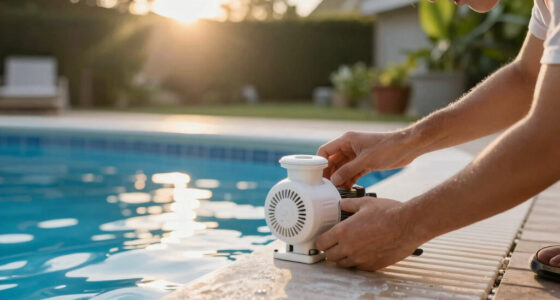
Your hot tub water isn’t just sitting still. It needs a steady flow to stay clear and free of bacteria. Circulation helps distribute sanitizers evenly, prevents algae growth, and maintains the proper chemical balance. Think of it like a gentle river—constant movement keeps everything fresh and healthy. When circulation is insufficient, stagnation occurs, creating an environment where bacteria and algae can thrive, leading to cloudy, foul-smelling water. Conversely, over-circulating can waste energy and accelerate equipment wear, increasing operational costs and reducing pump lifespan. The key is finding that balance: enough circulation to keep water safe and clean, but not so much as to be inefficient or damaging. Modern systems with smart controls allow you to tailor this balance precisely, responding to usage patterns and environmental conditions. This not only preserves water quality but also extends the life of your equipment and reduces ongoing expenses. In essence, a well-designed schedule acts as the backbone of your hot tub’s health, directly impacting safety, comfort, and cost-efficiency.
As an affiliate, we earn on qualifying purchases.
How to Set the Perfect Hot Tub Circulation Schedule in 3 Easy Steps
- Assess your hot tub’s needs: Consider size, usage frequency, and environmental factors like climate. Larger or more frequently used hot tubs require longer or more frequent circulation to prevent stagnation and chemical imbalance. For instance, a 400-gallon hot tub used 2-3 times a week might only need 4-6 hours of circulation, but if you live in a warm climate or use it daily, extending this duration helps maintain water quality. Recognizing these nuances ensures your schedule is neither over- nor under-engineered, saving energy and reducing wear.
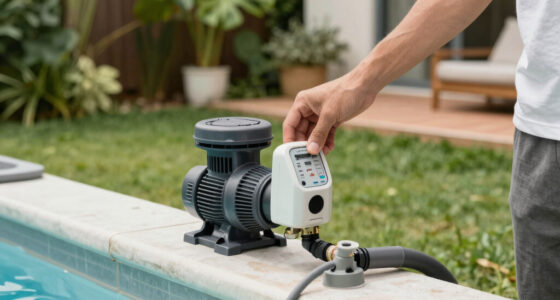
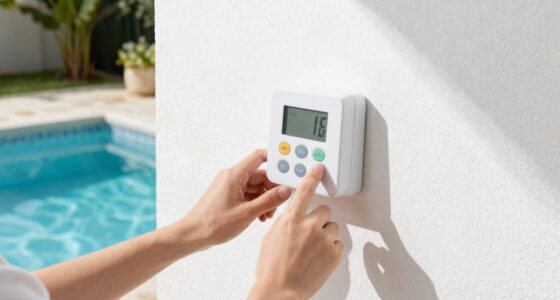
- Choose your system: Select between a simple timer, a programmable controller, or a smart Wi-Fi system. Each offers different levels of control and adaptability. A basic timer is straightforward but less flexible, while smart systems can adjust schedules based on real-time water chemistry, weather, and usage patterns. This means you can reduce unnecessary run times, lowering energy costs, and avoiding over-circulation that can degrade equipment over time. The tradeoff is often initial cost versus long-term savings and convenience.
- Set and test: Program your schedule and monitor water quality over several days or weeks. Look for clear water, proper chemical balance, and absence of odors. If issues arise, adjust the timing—perhaps increasing circulation during hot weather or reducing it if energy costs climb. Regular testing and adjustments are crucial because water chemistry and usage habits change over time, impacting how your schedule performs. Fine-tuning ensures your hot tub remains pristine without unnecessary energy expenditure or chemical overuse, balancing safety, cost, and equipment health.
For example, a homeowner might initially set the pump to run from 10 p.m. to 4 a.m., then observe water clarity and chemical levels. If water appears cloudy or sanitizer levels drop, they can extend the run time or shift the schedule to cooler night hours to optimize both cleanliness and energy use. Regular review and adjustment keep this balance in check, ensuring your hot tub remains a refreshing retreat with minimal hassle.
As an affiliate, we earn on qualifying purchases.
What Modern Circulation Systems Offer (And Why They Matter)
| Feature | Traditional Systems | Modern Smart Systems |
|---|---|---|
| Operation | Fixed timer, limited flexibility | Wi-Fi control, adaptive scheduling |
| Energy Use | Higher, especially with continuous run | Lower, thanks to variable speeds and smart timing |
| Ease of Use | Manual programming, some guesswork | Remote app control, automated adjustments |
| Cost | Lower upfront, higher operating costs | Higher upfront, savings over time |
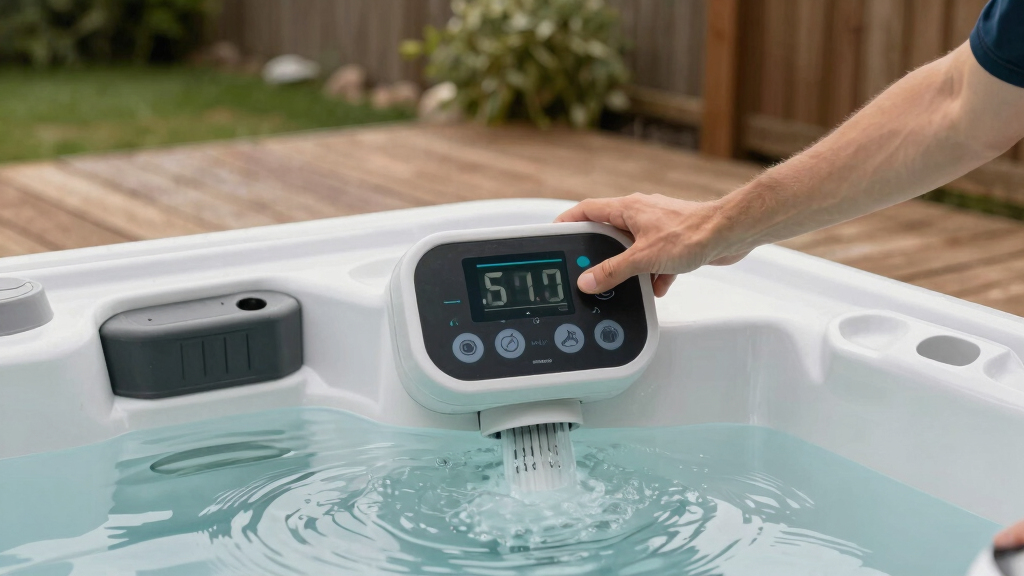
Imagine controlling your hot tub with a tap on your phone, knowing it’s running just enough to keep water perfect. Smart systems don’t just add convenience—they actively optimize energy consumption by adjusting pump speeds based on real-time needs, such as usage patterns or water quality. This means you’re not only saving money but also reducing wear and tear on your equipment, which translates into longer-lasting components and fewer repairs. Additionally, these systems provide alerts for potential issues like low sanitizer levels or clogged filters, allowing proactive maintenance that prevents costly repairs and extends equipment lifespan. The ability to fine-tune circulation dynamically is a game changer, as it balances water quality with energy efficiency, providing peace of mind and operational savings.
In the end, choosing a modern system isn’t just about convenience; it’s a strategic investment in your hot tub’s longevity and your long-term savings. By understanding these features and tradeoffs, you can select a system that aligns with your budget and maintenance preferences, ensuring your hot tub remains a pristine oasis with minimal effort and maximum efficiency.
As an affiliate, we earn on qualifying purchases.
Common Mistakes That Sabotage Your Hot Tub’s Water Quality
Even the best schedule can fail if you overlook some basics. Over-circulating wastes energy and puts unnecessary strain on your pump, which can lead to premature failure and costly repairs. Conversely, under-circulating allows stagnation, creating an ideal environment for bacteria, algae, and other contaminants to flourish, compromising water safety and clarity. For example, running the pump only 2 hours daily in summer might save energy but risks water becoming stagnant and unbalanced. Regular testing of water chemistry—pH, sanitizer levels, alkalinity—is crucial because even slight deviations can quickly lead to cloudy water, foul odors, and skin irritation. If these parameters are off, circulation alone won’t fix the underlying issues; chemical adjustments are necessary. Additionally, neglecting filter maintenance, such as monthly cleaning, impairs water flow and filtration efficiency, negating the benefits of your circulation schedule. Ignoring alerts from smart systems about low sanitizer or clogged filters can turn small issues into major water quality problems. Recognizing these pitfalls and understanding the tradeoffs helps you create a balanced routine that maximizes water quality while minimizing energy and equipment stress.
As an affiliate, we earn on qualifying purchases.
Your Last Step: Regular Testing and Adjustments for Perfect Water
Establishing a circulation schedule is just the beginning; maintaining optimal water quality requires ongoing vigilance. Regular testing—at least weekly—is essential to catch shifts in pH, sanitizer, and alkalinity before they cause problems. When water chemistry drifts out of the ideal range, it’s a sign that either your schedule needs tweaking or chemical adjustments are necessary. For example, if sanitizer levels drop rapidly during hot weather, increasing circulation hours or switching to a more potent sanitizer can prevent bacterial growth. Using reliable test strips or digital testers makes this process quick and accurate, enabling you to make timely decisions. Don’t just add chemicals blindly; interpret test results and investigate underlying causes—perhaps your filter needs cleaning or your circulation isn’t sufficient. With modern smart controls, many adjustments can be automated, further reducing guesswork and ensuring consistent water quality. Regular testing and thoughtful adjustments extend the lifespan of your equipment, improve water clarity, and ensure safe, inviting water at all times. This proactive approach transforms routine maintenance into a simple, effective safeguard for your hot tub’s health and your enjoyment.
Frequently Asked Questions
How long should I run my hot tub pump each day?
Most experts recommend running the pump between 4 and 8 hours daily. The exact time depends on your hot tub’s size, usage, and environmental factors. For occasional use, 4 hours might suffice; for frequent baths or warmer climates, closer to 8 hours ensures water stays clean and balanced.
Can I run my circulation pump continuously?
Yes, but it increases energy costs and wear on your equipment. Continuous operation is often used with advanced filtration and chemical systems to maintain water quality effortlessly. If you choose this route, consider a high-efficiency, variable-speed pump to reduce expenses.
What is the best schedule for energy efficiency?
Running your pump during off-peak hours, especially overnight, and using programmable timers or smart controllers can significantly cut energy bills. Shorter, more frequent cycles—like 4 hours in the late evening—are often more efficient than long continuous runs.
How do I know if my water is properly circulated?
Clear, sparkling water, balanced chemistry, and regular testing are signs of good circulation. If water looks cloudy or smells off, it’s time to check your system—clean filters, adjust schedules, or test chemicals.
Are there automated systems to help manage circulation schedules?
Absolutely. Many modern hot tubs include smart controllers that automate scheduling based on your usage patterns, water quality, and even weather forecasts. These systems make maintenance easier and help keep your water pristine with minimal effort.
Conclusion
Effective hot tub circulation isn’t just a technical detail; it’s the backbone of a clean, inviting soak. With the right schedule, modern automation, and regular maintenance, you turn your hot tub into a ready oasis any time you want. It’s about working smarter, not harder—so you can enjoy more and worry less.
Imagine your hot tub always sparkling, the water perfectly balanced, waiting for your next moment of relaxation. That’s the power of a smart, consistent circulation schedule—your secret weapon for hassle-free enjoyment.
Fall Picks
fall essentials
As an affiliate, we earn on qualifying purchases.