
TL;DR
Listen free for 30 days with Audible
Thousands of audiobooks and originals — cancel anytime.
Start your free trialAs an affiliate, we earn on qualifying purchases.
Photocell light timers automatically turn outdoor lights on at dusk and off at dawn using ambient light sensors. Proper placement—away from artificial lights and in open, unobstructed spots—ensures accurate operation, helping you save energy and boost security.
Place your photocell timer in an open area facing the sky, away from artificial light sources.
Adjust the sensitivity settings to match your local sunset and sunrise times for reliable operation.
Modern models offer remote control and customizable schedules—consider upgrading for convenience.
Weatherproof outdoor photocells are designed to withstand harsh conditions, but verify IP ratings before installation.
Proper placement and setup help maximize energy savings and security benefits.
How Do Photocell Light Timers Actually Work?
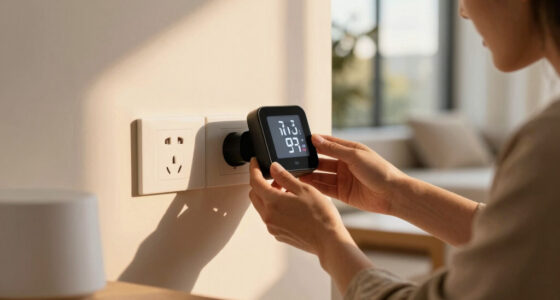
Photocell light timers are like the eyes of your outdoor lighting system. They contain a tiny, sensitive sensor that detects sunlight or ambient light levels. When the light falls below a preset threshold—say, at dusk—they trigger your lights to turn on. When the sun rises or ambient light increases, they turn the lights off. This automatic switch keeps your outdoor space illuminated only when needed, without manual effort.
Think of it as a smart gatekeeper that watches the sky. Modern models can be adjusted to set the exact light level at which they activate, making them versatile for different seasons or locations. This ability to fine-tune sensitivity is crucial because natural light conditions vary widely. For instance, in winter, days are shorter, and the sensor needs to respond sooner; in summer, it can wait longer. The sensor’s accuracy directly impacts energy savings—if set too sensitive, lights might turn on during dawn or twilight, wasting energy; if too insensitive, they might not activate promptly at dusk, compromising security. Understanding this balance allows you to optimize your outdoor lighting system for both efficiency and safety, ensuring it responds precisely to natural light changes without false triggers or delays.

BN-LINK Outdoor Light Timer with Dusk to Dawn Sensor, Weatherproof Dual Grounded Outlets for Christmas/Halloween Decorations, 15A 1/2HP ETL Listed
- Auto Dusk to Dawn Control: Turns on at dusk, off at dawn or after set hours
- Dual Grounded Outlets: Controls two outlets simultaneously, 15A rated
- Weatherproof Design: Waterproof for outdoor use, withstands rain and snow
As an affiliate, we earn on qualifying purchases.
As an affiliate, we earn on qualifying purchases.
The Types of Photocell Timers You Can Use
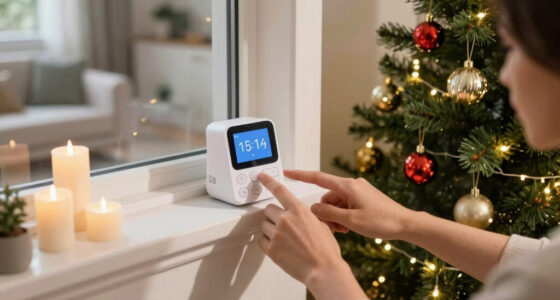
Not all photocell timers are created equal. Some are simple, turning lights on or off based solely on light levels, which might be sufficient for basic security needs but lack flexibility. Others combine light sensing with programmable timers, allowing you to set specific times or durations, which is especially useful when outdoor lighting needs to follow a schedule beyond just sunset to sunrise. The latest smart models, integrating Wi-Fi connectivity, provide remote control and scheduling via smartphone apps, offering unprecedented convenience and customization.
Choosing between these types depends on your priorities. Basic models are cost-effective and easy to install but may not adapt well to seasonal changes or varying weather conditions. Programmable models give you more control, enabling adjustments for different times of year or special occasions. Smart models add the benefits of remote management, energy monitoring, and integration into broader home automation systems. Each type has tradeoffs: simplicity and affordability versus advanced features and higher costs. Deciding which fits your needs involves considering how much control you want, your technical comfort level, and your budget. This understanding ensures you select a photocell timer that not only automates your outdoor lights but does so in a way that maximizes energy savings and convenience over the long term.
BN-LINK Outdoor Light Timer with Dusk to Dawn Sensor, Weatherproof Dual Grounded Outlets for Christmas/Halloween Decorations, 15A 1/2HP ETL Listed
- Auto Dusk to Dawn Control: Turns on at dusk, off at dawn or after set hours
- Dual Grounded Outlets: Controls two outlets simultaneously, 15A rated
- Weatherproof Design: Waterproof for outdoor use, withstands rain and snow
As an affiliate, we earn on qualifying purchases.
As an affiliate, we earn on qualifying purchases.
Where to Mount Your Photocell Timer for Best Results
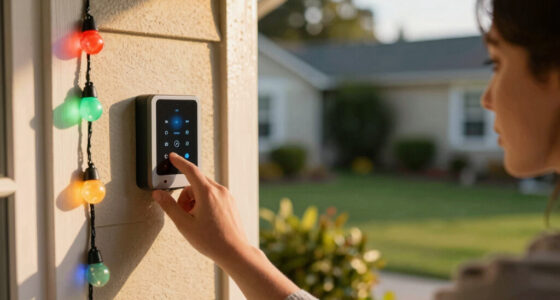
The secret to flawless outdoor lighting control lies in placement. A photocell timer works best when mounted in an open, unobstructed spot that faces the sky or the area you want lit. Avoid places near streetlights, porch lamps, or any artificial light sources that could confuse it. Proper placement ensures the sensor receives an accurate reading of natural light, which is critical because even small errors can lead to inefficient lighting schedules.
Imagine a garden on a cloudy night—your photocell should be placed high on an exterior wall, facing away from artificial lights, about eye level or slightly higher. Placing it too low or behind objects like trees or overhangs can cause shadows or block the sensor’s view of the sky, resulting in delayed activation or premature shutdown of lights. Conversely, mounting it in a shaded area or behind foliage might cause it to think it’s darker than it actually is, leading to unnecessary lighting during daytime. The tradeoff here involves balancing accessibility for maintenance against optimal sensing conditions. A well-placed sensor minimizes false triggers and ensures your outdoor lights operate precisely when needed, maximizing energy savings while maintaining security and ambiance.

Solar Light Bulbs with Remote, 2‑Pack Dusk to Dawn Rechargeable Lights
- Dusk-to-Dawn Automation: Automatic sunset to sunrise lighting
- Adjustable Brightness & SOS: 3 brightness levels and emergency mode
- Customizable Auto-Off Timer: 4 timer options for convenience
As an affiliate, we earn on qualifying purchases.
As an affiliate, we earn on qualifying purchases.
Common Placement Mistakes That Mess with Performance
Placing your photocell timer in the wrong spot can cause lights to flicker or stay on too long. For example, installing it near a streetlamp or under a canopy can trick it into thinking it’s daytime, keeping your lights off when they should be on. Conversely, placing it in shaded areas might cause lights to turn on during the day, wasting energy and potentially causing light pollution. These mistakes are often subtle but have significant impacts on your system’s reliability.
Always avoid direct sunlight hitting the sensor, as it can cause false readings or delays in activation. Artificial lights from nearby sources can also interfere, making the sensor respond to artificial illumination instead of natural dusk or dawn. Proper placement—facing the open sky, away from competing light sources, and at an appropriate height—helps ensure the sensor interprets natural light correctly. Remember, the sensor’s job is to read the sky’s natural light, so any artificial or obstructed view can compromise this function. The tradeoff involves choosing a location that’s both accessible for maintenance and optimal for accurate sensing, which ultimately leads to more reliable operation and energy savings.

GBAYSA 1 Pack Outdoor Photoelectric Sensor,Dusk to Dawn Swivel Mount Conduit Lighting Control with Photocell,Automatic Adjustable Photo Sensor Switch for Indoor and Outdoor Light
- Auto Dusk to Dawn Sensor: Automatically controls outdoor lighting
- Waterproof & UL Listed: IP65 rated for outdoor durability
- Adjustable Swivel Mount: 200-degree adjustable light positioning
As an affiliate, we earn on qualifying purchases.
As an affiliate, we earn on qualifying purchases.
Step-by-Step: How to Install Your Photocell Timer Correctly
- Choose an open, unobstructed spot facing the sky, ensuring no nearby artificial lights or objects block its view.
- Mount the device at an appropriate height—usually 4 to 6 feet off the ground—to balance visibility and accessibility for maintenance.
- Connect it to your outdoor lighting circuit, following manufacturer instructions or hiring a licensed electrician to ensure safety and compliance.
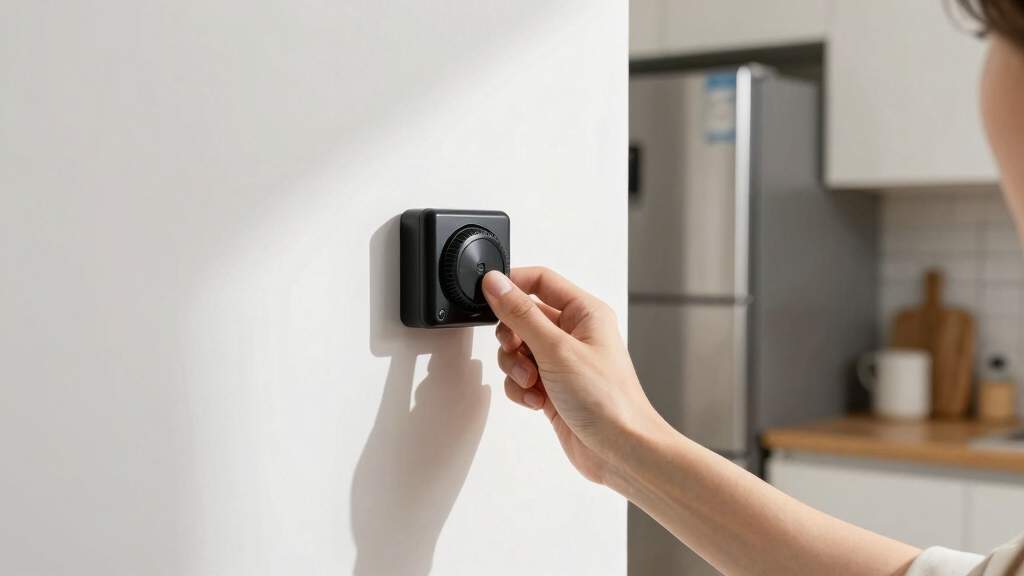
- Adjust the light sensitivity threshold—set it so lights turn on at dusk and off at dawn, considering seasonal variations and local weather conditions.
- Test the setup during sunset and sunrise, observing how accurately the lights respond and making fine adjustments as needed.
Frequently Asked Questions
Can I install a photocell timer myself?
Yes, if you have basic electrical knowledge and follow safety procedures. However, for outdoor wiring, hiring a licensed electrician ensures safety and compliance with local codes.How do I prevent false triggers from artificial lights?
Mount the sensor facing away from streetlights, porch lights, or other artificial sources. Keep it in an open area, and adjust the sensitivity if your model allows.Are outdoor photocell timers weatherproof?
Most outdoor models are designed to be weather-resistant, with ratings like IP65 or higher. Always verify the rating before installation, and avoid exposing non-weatherproof units to rain or snow.How precise are modern sensors?
Recent sensors can detect changes as small as 1 lux, making them highly accurate for outdoor lighting control—even in variable weather conditions.What’s the biggest mistake people make with photocell timers?
Incorrect placement—like mounting near artificial lights or in shaded spots—causes unreliable operation. Proper positioning is key to effective automation.Conclusion
A well-placed photocell timer acts like a silent sentinel—lighting your way only when needed. By choosing the right spot and adjusting the settings, you turn simple outdoor lights into smart, energy-saving allies. The next time dusk falls, watch your outdoor lights turn on seamlessly—no manual switch needed.Flea & tick season Picks
flea and tick prevention
As an affiliate, we earn on qualifying purchases.