TL;DR
Listen free for 30 days with Audible
Thousands of audiobooks and originals — cancel anytime.
Start your free trialAs an affiliate, we earn on qualifying purchases.
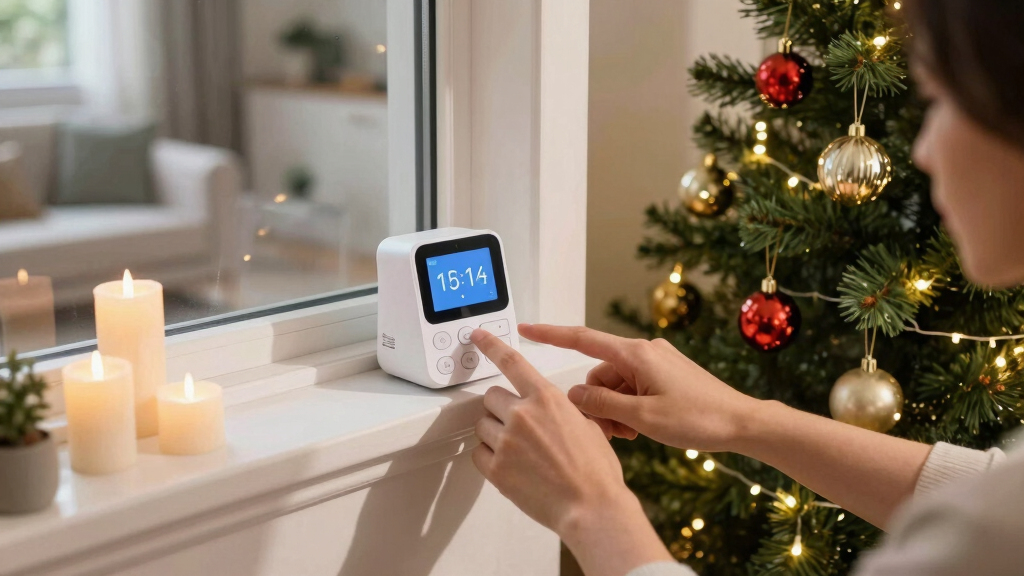
Using timers and smart plugs to automate your holiday lights and candles reduces energy use, enhances safety, and creates a cozy, festive atmosphere with minimal effort. Advances in smart home tech now make scheduling easier and more flexible than ever.
Imagine coming home to a warmly lit Christmas tree, its glow perfectly timed to turn on just as the evening begins. No more fussing with switches or worrying about leaving lights on. Automating indoor holiday lighting with timers isn’t just about convenience — it’s about safety, energy savings, and creating a magical atmosphere effortlessly.
Whether you’re decorating a tree, lining a window with candles, or setting a cozy scene, smart scheduling transforms your holiday experience. This guide will show you exactly how to set up timers, what options are best, and how recent tech developments make automation easier than ever.
Choose digital timers or smart plugs for flexible, programmable holiday lighting schedules.
Use LED lights and flameless candles with built-in timers for energy efficiency and safety.
Test your setup before the season starts to avoid surprises on the big day.
Verify wattage compatibility and use UL-listed devices to prevent electrical hazards.
Leverage smart home technology for remote control and advanced scheduling from anywhere.
What Types of Timers Make Holiday Decorating a Breeze
Choosing the right timer is the first step toward a worry-free holiday display. Mechanical timers are simple and reliable — just set the dial, and they turn your lights on and off automatically. Digital timers offer more precise control, programmable schedules, and multiple on/off cycles per day, which is perfect for more complex setups.
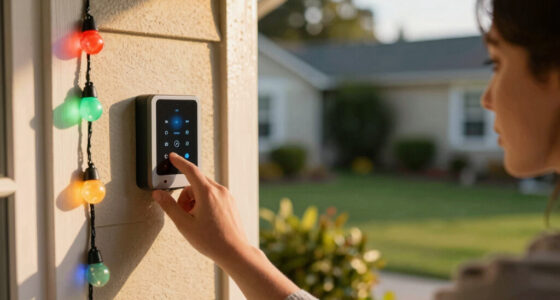
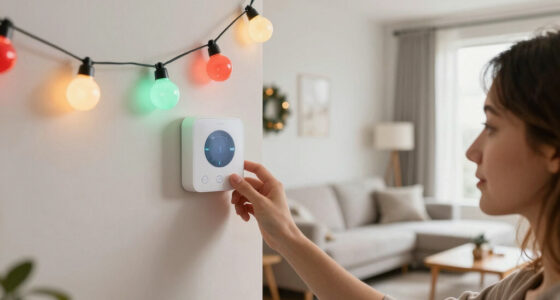
Smart plugs and home systems take automation further. They connect via Wi-Fi or Zigbee, letting you control lights from your phone or with voice commands. This flexibility is especially valuable if you want to adjust schedules on the fly or synchronize multiple devices. Keep in mind, however, that smart systems require a stable internet connection and some familiarity with apps, which might be a tradeoff if you prefer straightforward setups. The choice depends on your comfort with technology and the complexity of your holiday display.
For a real-world example, consider a homeowner who uses a smart plug to turn on her Christmas tree at 5 p.m. and turn it off at midnight. She controls everything from her couch or even on vacation, thanks to an app. That’s the convenience of modern timers, which can significantly reduce manual effort and ensure consistent lighting routines during the busy holiday season.

GHome Smart Plug, WiFi Smart Plugs Compatible with Alexa and Google Home, Smart Outlet Timer with APP Remote Control, 2.4GHz Wi-Fi Only, No Hub Required, ETL FCC Listed, White
- Stable WiFi Connection: Supports quick, stable 2.4GHz WiFi connection
- Voice Control Compatibility: Works with Alexa and Google Assistant
- Remote App Control: Control outlets remotely via app from anywhere
As an affiliate, we earn on qualifying purchases.
As an affiliate, we earn on qualifying purchases.
How Automating Your Holiday Lights Saves You Time and Energy
Automating your indoor holiday lights isn’t just about flicking a switch; it’s a strategic move that impacts your energy consumption and daily routines. By scheduling lights to turn on only during specific hours, you prevent unnecessary power use, which can add up significantly over the season. For example, lights left on all night or during daytime hours waste electricity and increase your utility bills, especially if you’re using incandescent bulbs. Using timers ensures lights are only active when they’re meant to be, reducing waste and costs.
Beyond energy savings, automation enhances safety by reducing the risk of overheating or fire hazards. When you set timers to turn off candles or string lights after a certain period, it minimizes the chance of electrical faults or fires caused by unattended lights. This is particularly important if you’re using traditional incandescent bulbs or older wiring that may not be designed for long-term use.
Furthermore, automation can help create a lively, welcoming atmosphere even when you’re away. Timers can simulate occupancy by turning lights on and off at different times, deterring potential intruders. This dual benefit of energy efficiency and security underscores how automation is a smart investment for holiday decorating, especially when considering the tradeoffs between manual effort and automated convenience.
Research indicates that automated lighting can cut energy use by up to 30%, particularly with LED lights that emit less heat and consume less power. This not only benefits your wallet but also reduces your carbon footprint, making your holiday cheer more eco-friendly.

BN-LINK Outdoor 7-Day Programmable Timer Outlet, 2 Outlets
- Programmable Scheduling: Up to 8 on/off programs for two outlets
- Easy Setup: Select individual or preset days, DST mode
- Weatherproof Design: Durable, waterproof cover for outdoor use
As an affiliate, we earn on qualifying purchases.
As an affiliate, we earn on qualifying purchases.
Step-by-Step Guide to Setting Up Your Holiday Timers
- Identify your lights and candles: Make sure they are compatible with timers. LED strings and electric candles are ideal because they are energy-efficient and designed for automation.
- Choose your timer type: Mechanical, digital, or smart plug based on your needs, budget, and comfort with technology. Consider the complexity of your display and whether remote control or advanced scheduling is necessary.
- Plug your lights into the timer or smart device. For smart plugs, ensure your Wi-Fi network is stable to prevent disruptions. A weak or unstable connection can cause your schedule to fail, leading to lights not turning on or off as planned.
- Program your schedule: Set your desired on/off times, considering your daily routine and preferred display hours. For example, turn on at 5 p.m. and off at 11 p.m. for a cozy evening glow. Use features like sunrise/sunset synchronization for a more natural lighting pattern that adjusts seasonally.
- Test your setup: Turn everything on and observe if it works as planned. Check for any delays or issues, and adjust the timing or placement as needed to ensure reliability throughout the season.
- Enjoy your hassle-free holiday lighting! Now, your decorations will glow exactly when you want, without any manual effort, and you can focus on enjoying the festivities.
For example, a family uses a digital timer with sunrise/sunset features to automatically adjust the lighting schedule based on the season, making setup seamless and natural. This reduces the need for manual adjustments and helps maintain a consistent, festive look throughout December.
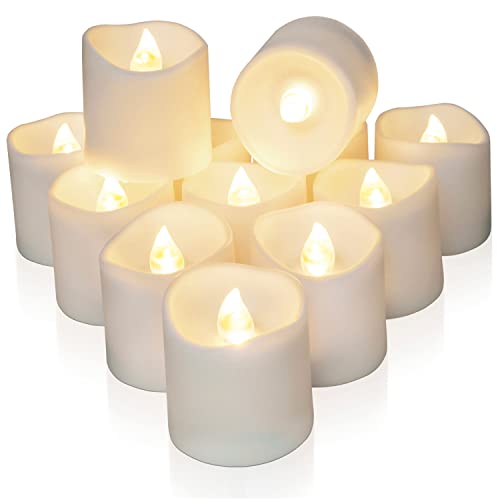
Homemory 6H Timer White Flameless LED Votive Tealights, 12 Pack
- Automatic 6H Daily Timer: Sets candles to light daily for 6 hours
- Long Battery Life: Over 150 hours of flickering light per set
- Energy Saving Mode: 18-hour sleep phase reduces power consumption
As an affiliate, we earn on qualifying purchases.
As an affiliate, we earn on qualifying purchases.
Comparing Timer Options for Indoor Holiday Lighting
| Feature | Mechanical Timer | Digital Timer | Smart Plug |
|---|---|---|---|
| Cost | Low (~$10) | Moderate (~$20-$50) | Moderate (~$20-$50) |
| Control | Dial-based, limited schedules | Programmable, multiple schedules, precise control | Remote via app, voice commands, customizable schedules |
| Ease of Use | Very simple, no setup required | Easy, with setup, some learning curve | Very easy, control from anywhere with an app |
| Features | Single on/off cycle | Multiple cycles, sunrise/sunset sync, adjustable brightness | Remote control, automation, integration with smart home systems |
| Best For | Basic lighting schedules, minimal fuss | Flexible, complex setups, seasonal adjustments | Remote control, voice commands, integration with other smart devices |
For most homes, a digital timer or smart plug offers the best balance of flexibility and ease of use. Mechanical timers are reliable but limited in features, which might restrict more intricate lighting schedules. The tradeoff involves considering how much control and customization you want against simplicity and cost. Investing in a smart plug can also future-proof your setup, allowing integration with other smart home devices and voice assistants, making your holiday automation more seamless and scalable.

Kasa Outdoor Smart Plug KP401, Smart Home Wi-Fi Outlet Timer
- Extended Wi-Fi Range: Up to 300 feet with weather resistance
- Weatherproof Design: IP64 waterproof cover included
- High Power Capacity: Supports up to 15A/1875W
As an affiliate, we earn on qualifying purchases.
As an affiliate, we earn on qualifying purchases.
What You Need to Know About Safe and Compatible Lighting
Not all holiday lights are created equal when it comes to automation. Compatibility matters because some lights, especially older incandescent strings, may not be designed for frequent switching or may draw more power than timers can handle safely. Always check the wattage ratings of your timers and plugs—most indoor timers support up to 15 amps, which is sufficient for typical holiday lighting but not for high-wattage or outdoor lights.
Traditional candles pose a significant fire risk and cannot be automated safely. Instead, opt for flameless LED candles equipped with built-in timers or remote controls. These mimic the flickering glow and warmth of real candles but eliminate the danger of open flames, making them ideal for holiday safety.
Safety first: always use UL-listed timers and plugs, and avoid overloading circuits by distributing your lights across multiple outlets if necessary. Regularly inspect cords and connections for signs of wear or damage, especially if you plan to leave lights on for extended periods. Understanding your lighting’s wattage and compatibility helps prevent electrical hazards and ensures your holiday display remains safe and effective.
Latest Tech Trends Making Automation Even Smarter
Recent advances in smart home technology are transforming holiday automation into a more intuitive and integrated experience. Wi-Fi-enabled smart plugs and switches can be controlled via smartphone apps or voice assistants like Alexa or Google Home, allowing you to turn lights on or off from anywhere, even when you’re away. This connectivity not only simplifies control but also enables scheduling based on real-time conditions, such as syncing with sunrise or sunset times, which creates a more natural lighting rhythm that adapts seasonally.
Some digital timers now incorporate advanced features like randomized schedules, which make your home look occupied even when you’re not home, enhancing security. Flameless LED candles with remote controls and timers are also evolving, offering flicker modes, adjustable brightness, and scheduled on/off times that mimic real candles more convincingly. These innovations make holiday decorating safer, more flexible, and more engaging.
According to recent research, the integration of smart home devices can reduce holiday-related fire risks by up to 25%, primarily due to better control, automatic shutdowns, and the ability to monitor device status remotely. This trend toward smarter automation not only enhances convenience but also contributes significantly to safety and energy efficiency during the festive season.
Frequently Asked Questions
What types of timers are best for indoor Christmas lights?
Digital timers and smart plugs are the most versatile and user-friendly options. They offer customizable schedules and remote control, making holiday automation simple and effective.Are smart home systems worth the investment for holiday lighting?
Absolutely. They allow you to control your lights from anywhere, automate schedules, and even sync with voice assistants, adding convenience and safety to your holiday setup.Can I automate traditional candles?
No, traditional candles are unsafe for automation due to fire risk. Instead, opt for flameless LED candles with timers or remote controls, which are safer and just as cozy.How do I set up timers for my Christmas tree lights?
Plug your lights into a timer or smart plug, then program the on/off schedule. Test the setup to ensure it works, and adjust as needed before decorating for the holidays.Are there safety concerns with automating holiday lights?
Yes. Always use UL-listed timers, avoid overloading circuits, and prefer LED lights to reduce heat. Regularly inspect cords and connections for wear or damage.Conclusion
Automating your indoor Christmas trees and candles isn’t just about convenience — it’s about creating a safer, more energy-efficient holiday. With the right timers, you set the scene effortlessly, leaving more time to enjoy the magic of the season.
Imagine the warm glow filling your home, perfectly timed and worry-free. This holiday, let technology do the work — your only job is to soak in the festive joy.
Back to school Picks
back to school
As an affiliate, we earn on qualifying purchases.