
TL;DR
Listen free for 30 days with Audible
Thousands of audiobooks and originals — cancel anytime.
Start your free trialAs an affiliate, we earn on qualifying purchases.
Hose timer batteries typically last between 6 months and 2 years, depending on usage and quality. Using high-quality batteries, turning off unnecessary features, and protecting timers from extreme weather can significantly extend their lifespan.
There’s nothing more frustrating than your irrigation timer dying right when you need it most—like during a heatwave or a busy weekend. Yet, understanding what impacts your hose timer’s battery life can save you that headache.
In this guide, you’ll learn the real expectations for battery lifespan, what factors speed up or slow down battery drain, and simple, practical steps to keep your watering system running smoothly for longer.
High-quality batteries, especially lithium or premium alkalines, significantly extend timer lifespan.
Environmental factors like cold or heat can reduce battery performance; protect timers accordingly.
Disabling extra features when not needed saves power and prolongs battery life.
Regularly monitoring battery status prevents unexpected watering failures.
Timers with solar assistance can drastically reduce the need for frequent battery replacements.
Hose Timer Battery Life: What to Expect and How to Extend It
Most hose timer batteries deliver 6 months to 2 years of service. The real result depends on watering frequency, connectivity, battery chemistry, and weather protection. A few deliberate choices can prevent the timer from failing when the garden needs it most.
Not every timer uses power the same way
A motorized valve draws a burst of power every time it opens or closes. Displays, sensors, wireless radios, and weather integrations add ongoing demand. Simpler timers generally last longer; solar assistance performs best where direct light is dependable.
Simple and efficient
Best for predictable schedules with limited screen and sensor activity. Twice-daily watering can often approach a year on fresh premium alkaline batteries.
Expected: 12–24 monthsConvenient, but hungrier
Wi-Fi, Bluetooth, weather checks, and frequent app communication create additional drain even when the valve is closed.
Expected: 6–9 monthsSunlight stretches runtime
A solar panel supplements or recharges stored power. Results can exceed a year in sunny climates, but shade reduces the benefit.
Expected: 12–18+ months| Timer type | Typical runtime | Wireless drain | Climate sensitivity | Best setting |
|---|---|---|---|---|
| Basic battery | 12–24 months | ✓ Low | ~ Moderate | Simple scheduled watering |
| Smart Wi-Fi / Bluetooth | 6–9 months | ✗ High | ~ Moderate | Remote control and alerts |
| Solar-assisted | 12–18+ months | ~ Varies | ✗ Shade dependent | Open, consistently sunny areas |
| Hardwired | No routine batteries | ✓ Stable | ✓ Low | Permanent supported setups |
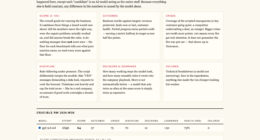
What shortens the lifespan?
The bars show relative drain pressure, not laboratory consumption. Combining several high-demand conditions—frequent valve cycles, wireless communication, poor batteries, and extreme temperatures—can push replacement intervals toward the low end.
Five moves for longer, safer runtime
The goal is not merely to squeeze out the final day of power. Replace batteries before voltage becomes unstable so the valve closes reliably and the watering schedule remains intact.
Buy better batteries
Choose fresh premium alkaline or compatible lithium cells. Avoid mixing brands, ages, or chemistries.
Reduce extra features
Disable unneeded alerts, sensors, wireless checks, and display activity during low-demand periods.
Protect the timer
Use a shaded, ventilated position that avoids direct summer sun, standing water, and freezing exposure.
Check status monthly
Review the battery indicator and inspect contacts for moisture, corrosion, or a loose connection.
Replace proactively
Schedule fresh batteries before heatwaves, holidays, or peak growing season—not after a failure.
Lithium leads when conditions get demanding
Compatible lithium AA cells can provide longer service and steadier voltage, especially with high drain or temperature swings. Rechargeables may work, but their lower voltage can affect some timers.
Turn battery care into watering confidence
Reliability comes from a repeatable chain: select the right power source, reduce avoidable drain, control environmental stress, monitor the remaining charge, and replace before performance becomes uncertain.
Choose
Fresh, compatible, high-capacity batteries
Configure
Keep only necessary schedules and features active
Protect
Shade from heat and shield from freezing conditions
Monitor
Check battery status and physical contacts regularly
Water reliably
Replace early and avoid surprise irrigation outages
Battery-life FAQ
Use manufacturer requirements as the final authority for battery chemistry, voltage, weather rating, and storage. The guidance below provides a practical starting point.
How often should batteries be replaced?
For many timers, plan on every 6 to 12 months. High usage, smart features, or harsh weather may require earlier replacement.
Can rechargeable batteries be used?
Yes, if the timer supports them and their capacity is sufficient. Some rechargeable cells provide lower voltage than alkaline batteries.
Are solar timers always better?
No. They can reduce battery replacements in sunny locations, but heavy shade may make a conventional battery model more dependable.
How can a smart timer last longer?
Limit wireless communication, disable unused features, use power-saving modes, keep firmware current, and protect the unit from temperature extremes.
What Do Hose Timer Batteries Really Last? Expect 6 Months to 2 Years
Hose timers powered by batteries usually last between 6 months and 2 years. The actual lifespan depends on how often you water, the timer’s features, and the quality of the batteries used. For example, a basic model watering twice a day with fresh alkaline batteries might hit the 12-month mark.
Smart timers with Wi-Fi or Bluetooth tend to drain batteries faster—sometimes needing replacement every 6 to 9 months. Meanwhile, solar-assisted models can stretch that period, especially in sunny climates where sunlight helps recharge or supplement power.
Understanding these timelines helps you plan ahead. For instance, if you know your smart timer typically lasts 8 months, you can schedule battery replacements accordingly to avoid unexpected watering interruptions. The key takeaway is that usage intensity and technology features significantly influence lifespan—more features or frequent watering shorten it, while basic models in sunny environments can last longer.
As an affiliate, we earn on qualifying purchases.
Why Your Timer’s Battery Might Die Faster Than Expected
Several factors can cut your hose timer’s battery life short. If you water frequently, your timer’s motor runs more often, draining batteries faster. Using advanced features like rain sensors or weather alerts also increases power consumption, as these features require constant or periodic sensors to operate, which can be surprisingly power-intensive depending on their design.
Environmental conditions matter too. Cold weather can reduce battery capacity because chemical reactions inside batteries slow down, leading to quicker depletion. Additionally, exposure to extreme heat can accelerate battery aging. Using cheap or old batteries compounds these issues, as they lack the capacity to handle high drain scenarios or temperature fluctuations.
For instance, a homeowner in a chilly climate found her timer’s batteries needed replacing twice a year—much sooner than expected—mainly because her batteries couldn’t handle the cold or the frequent use. Recognizing these factors helps you understand why your batteries might not last as long as expected and underscores the importance of choosing the right batteries and protecting your equipment.
As an affiliate, we earn on qualifying purchases.
How to Pick Batteries That Keep Your Timer Going Longer
Choosing the right batteries makes a big difference. High-quality alkaline batteries or lithium batteries often last longer than standard ones because they have higher capacity and better chemical stability, reducing internal resistance and voltage drops over time. For example, lithium AA batteries can last up to 50% longer than regular alkaline AA batteries, especially under high-drain conditions.
Some timers come with a battery indicator—use it! Replacing batteries before they’re fully drained prevents malfunction and keeps your watering schedule steady. Regularly checking the indicator helps you anticipate replacements, avoiding unexpected outages.
In a practical scenario, a gardener swapped out her standard batteries for lithium ones, and her timer kept running smoothly through the whole summer without a hitch. This proactive approach ensures your system remains reliable and prevents the inconvenience of sudden failures, which can be costly or damaging to your garden if they occur during critical watering periods.
high-quality alkaline batteries for timers
As an affiliate, we earn on qualifying purchases.
As an affiliate, we earn on qualifying purchases.
Smart and Solar Timers: Do They Really Last Longer?
Smart timers with Wi-Fi or Bluetooth often have shorter battery lives—around 6 to 9 months. However, many newer models include solar panels that help recharge or extend battery life. Solar-assisted timers can sometimes last over a year, especially in sunny climates, because the solar panel reduces reliance on batteries by supplementing their power or recharging them during the day.
For example, a homeowner in Arizona reports her solar timer lasts nearly 18 months without battery replacement, thanks to abundant sunlight. Conversely, in shady yards, reliance on solar power might not be practical because the panels cannot generate enough energy to sustain the timer, leading to shorter battery life.
Comparison table below summarizes these differences, highlighting how environment influences longevity and performance.
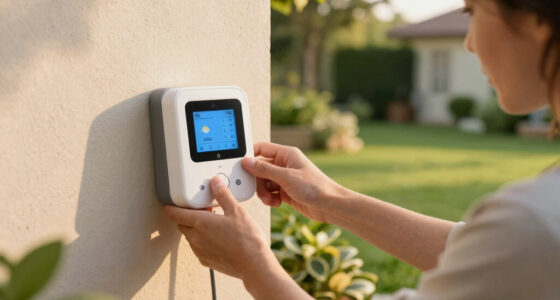
water timer with battery life indicator
As an affiliate, we earn on qualifying purchases.
As an affiliate, we earn on qualifying purchases.
Top Tips to Extend Your Hose Timer’s Battery Life
- Use high-quality, fresh batteries—don’t skimp on cheap replacements. Premium batteries have higher capacity and more stable voltage, which translates into longer runtimes and fewer replacements.
- Switch off or disable non-essential features like rain sensors when not needed. These features often run continuously or periodically, consuming extra power that could be saved.
- Place timers in shaded, protected spots to avoid extreme temperatures that speed up drain. Exposure to direct sunlight or freezing conditions accelerates battery aging and reduces performance.
- Regularly check the battery indicator and replace batteries before they die. Doing so prevents unexpected watering failures, especially during peak seasons.
- If possible, choose timers with energy-efficient designs or solar assistance. These options can drastically reduce reliance on batteries and extend operational periods.
For example, a homeowner in Florida kept her timer in a shaded garage and replaced batteries annually, avoiding unexpected outages during peak watering times. Proper placement and maintenance are key to maximizing lifespan and ensuring reliable operation.
Frequently Asked Questions
How often should I replace the batteries in my hose timer?
Most timers need new batteries every 6 to 12 months, depending on usage, features, and battery quality. Regular checks help prevent surprises.Can I use rechargeable batteries instead of alkaline?
Yes, rechargeable batteries work fine, but ensure they have sufficient capacity. Keep in mind they may have slightly lower voltage, which can affect performance.What’s the best way to extend my timer’s battery life?
Use high-quality batteries, turn off non-essential features when possible, protect timers from extreme weather, and monitor battery levels regularly.Are solar-powered timers actually better than battery-powered ones?
Solar timers reduce battery replacements and are eco-friendly, but their effectiveness depends on sunlight availability. In shady areas, battery-powered models might perform better.How can I maximize battery life for a smart timer?
Limit Wi-Fi use, disable extra features when not needed, and keep firmware updated. Proper placement also helps—shaded spots extend battery life.Conclusion
Keeping your hose timer’s batteries alive longer doesn’t require magic—just smart choices and regular upkeep. Think of it as giving your watering system a healthy boost, so it keeps your garden lush without interruption.
Next time you replace batteries, pick quality, and consider placement. Your plants—and your schedule—will thank you.
Labor Day sales Picks
labor day deals
As an affiliate, we earn on qualifying purchases.