TL;DR

Get home appliances delivered free with Prime
- Fast, free delivery on millions of items
- Prime Video, Amazon Music and more included
- Member-only deals all year
A rain sensor detects rain and stops your sprinkler system to save water. Most systems benefit from one, especially in rainy climates, and installation is straightforward. It can cut water use by up to 50%.
Imagine the sound of rain tapping gently on your roof, yet your sprinkler keeps watering your thirsty lawn. That’s waste in action. A rain sensor acts like your smart, weather-aware garden assistant—detecting rain and telling your sprinkler to take a break. If you’re tired of overwatering or want to cut your water bills, understanding this simple device could be a game-changer.
In this guide, you’ll learn what a rain sensor really is, why it’s worth adding to your sprinkler system, and how modern tech makes it easier than ever to save water without lifting a finger.
A rain sensor detects rainfall and stops your sprinkler system, saving water and preventing overwatering.
Most rain sensors are simple to install and connect directly to your existing timer’s weather port.
Using a rain sensor can cut outdoor water bills by up to 50%, especially in rainy climates.
Regular testing and cleaning ensure your rain sensor works correctly and lasts longer.
Many modern smart irrigation systems now support rain sensors, allowing remote control and automation.
What Exactly Is a Rain Sensor—and How Does It Protect Your Lawn?
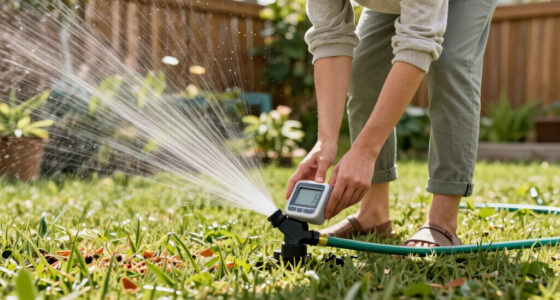
A rain sensor is a device that detects rainfall and automatically pauses your sprinkler system. It’s like giving your irrigation system an ear for the weather. When it senses rain—whether a light drizzle or a heavy downpour—it signals your timer to shut off, preventing unnecessary watering.
Understanding why this matters goes beyond just saving water. Overwatering can lead to shallow root growth, increased susceptibility to pests and diseases, and even lawn damage from prolonged saturation. Conversely, in drought-prone areas, overwatering wastes precious resources and can lead to higher utility bills. The rain sensor’s core function is to maintain the balance, ensuring your lawn receives just enough water without excess. It acts as a safeguard against the unpredictable nature of weather, which traditional timers can’t adapt to, ultimately promoting healthier lawns and more sustainable water use.
As an affiliate, we earn on qualifying purchases.
The Different Types of Rain Sensors—and Which One Fits Your Garden Best
| Type of Rain Sensor | How It Works | Best For |
|---|---|---|
| Tipping Bucket | A small bucket fills with rainwater, tips when full, activating a switch to turn off the sprinkler. This mechanical action provides a clear, physical response to rainfall, making it highly reliable in various conditions. | Average gardens, moderate rainfall areas. |
| Infrared or Optical | Detects moisture through light reflection or absorption on a sensor surface. These sensors are sensitive to the presence of water droplets, allowing for quick detection even during light rain. | Rainy climates, areas needing precise detection. |
| Capacitive | Measures changes in electrical capacitance caused by moisture on the sensor surface. This technology offers high accuracy and can distinguish between rain and dew, reducing false triggers. | High-precision setups, high-tech gardens. |
Choosing the right type involves considering the typical weather patterns, the sensitivity needed, and the level of maintenance you’re comfortable with. For example, tipping buckets are straightforward but may require more physical maintenance, while capacitive sensors offer greater accuracy but at a higher cost. Understanding these tradeoffs helps ensure you select a sensor that enhances your garden’s health while fitting your budget and environment.
automatic rain sensor water controller
As an affiliate, we earn on qualifying purchases.
As an affiliate, we earn on qualifying purchases.
Installation Tips: How to Add a Rain Sensor Without Turning Your Garden Into a Wiring Maze
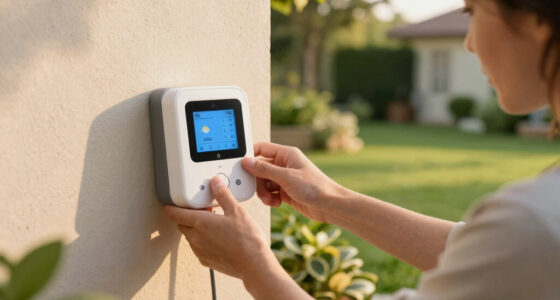
Adding a rain sensor is easier than you think. Most models connect directly to your existing sprinkler timer. Here’s how:
- Turn off your sprinkler system and disconnect power to avoid shocks.
- Locate the rain sensor port on your timer, usually labeled “Rain Sensor” or “Weather Sensor.”
- Connect the sensor’s wires to the designated terminals—often marked as “Sensor” or “Rain.”
- Mount the sensor on a level, open area away from trees, buildings, or fences that could block rain detection.
- Turn the system back on, test the sensor by simulating rain (some models have a test button).
Most sensors are designed for straightforward DIY installation, but if your system is complex or if you’re unsure, hire a licensed electrician or irrigation specialist. Proper placement—about four feet above ground and in an open space—is key for accurate readings. This placement ensures the sensor can effectively detect rainfall without interference from nearby structures or obstructions that could skew its readings, thus maintaining the integrity of your watering schedule and conserving water more reliably.
As an affiliate, we earn on qualifying purchases.
Should Your Sprinkler Timer Come with a Rain Sensor? The Pros and Cons
Most modern sprinkler timers support rain sensors because they save water and reduce runoff. But do you really need one? Here’s the scoop:
- Pro: Saves 30-50% of water—especially in rainy climates or unpredictable weather. This reduction not only benefits the environment by conserving resources but also significantly lowers your water bills over time, making it a financially wise upgrade.
- Pro: Prevents overwatering, which can lead to fungal diseases and lawn damage. Overwatering creates a moist environment ideal for fungi and pests, weakening your lawn’s resilience. A rain sensor acts as a protective measure, promoting healthier turf and reducing the need for chemical treatments or reseeding.
- Con: Adds a small upfront cost ($20-$100), though it pays for itself in water savings. The initial investment is minimal compared to the long-term savings and environmental benefits.
- Con: Needs proper placement and occasional maintenance to prevent false triggers. Incorrect placement or accumulated dirt can cause the sensor to malfunction, leading to either unnecessary watering or missed rain events. Regular checks ensure optimal performance, maximizing water savings and lawn health.
If you’re in a dry zone with predictable weather, a rain sensor might be less critical. But in areas with frequent rain or drought restrictions, it’s a smart, water-smart choice that can make a real difference in resource conservation and cost savings.
As an affiliate, we earn on qualifying purchases.
What Happens When the Rain Sensor Fails—And How to Keep It Running Smoothly
Like any device, rain sensors need occasional care. A malfunction can mean your system ignores rain or stops working altogether, which could lead to overwatering or dry lawns. The implications of neglect include increased water bills, lawn stress, and potential damage from both over- and under-watering. To keep it in top shape:
- Test it monthly—use a spray bottle or simulate rain to see if it triggers correctly. This proactive approach reveals issues early, preventing costly repairs or water waste.
- Clean the sensor surface regularly—dirt, pollen, or spider webs can block rain detection, causing false negatives or positives. Regular cleaning ensures the sensor responds accurately, maintaining the balance between watering and conserving water.
- Check wiring connections—loose or corroded wires can cause false signals or no response, compromising the sensor’s reliability. Tightening and inspecting connections periodically prevents unexpected failures.
- Replace batteries or calibrate if applicable, especially for wireless models. Proper calibration ensures the sensor responds at the right moisture levels, avoiding unnecessary watering or missed rain events.
Implementing these maintenance routines prolongs the lifespan of your rain sensor, ensuring consistent protection for your lawn and water savings over the long term. A well-maintained sensor is a small investment that yields big dividends in lawn health and resource efficiency.
Can Modern Smart Sprinkler Systems Work Seamlessly with Rain Sensors?
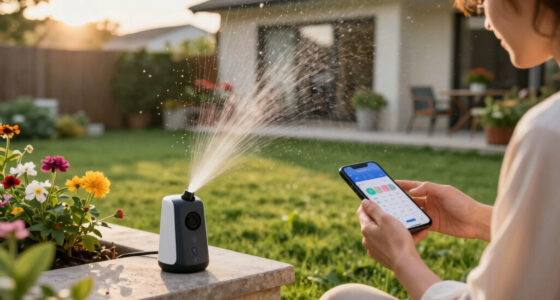
Yes, many smart irrigation systems support rain sensors, especially wireless or integrated models. They connect via Wi-Fi or Bluetooth, letting you monitor and control rain delay settings remotely. This connectivity adds a layer of convenience, allowing you to adapt your watering schedule in real-time based on weather conditions, which is crucial during unpredictable seasons or if you travel frequently.
For example, some systems automatically adjust watering schedules based on weather forecasts or rain sensor inputs, giving you full control from your phone. This integration makes watering smarter and more efficient, especially if you travel or have a busy schedule. However, compatibility varies, so always verify your system supports the specific sensor type you plan to use—this ensures seamless operation and maximizes the benefits of your smart setup.
Proper integration means your system can respond dynamically to weather changes, reducing water waste and promoting healthier lawns without manual intervention. It’s the future of efficient irrigation, blending automation with real-time environmental data for optimal results.
Frequently Asked Questions
Do I really need a rain sensor if I have a smart sprinkler system?
Many smart sprinkler systems support rain sensors, and adding one can further improve efficiency. They work together to prevent overwatering, especially during unpredictable weather patterns.How difficult is it to install a rain sensor myself?
Most rain sensors are designed for easy DIY installation—just connect the wires to your timer’s rain sensor port and mount it in an open area. If unsure, a professional can handle it quickly.Will a rain sensor work in all weather conditions?
Modern sensors are built to handle various climates, but extreme conditions like snow or direct sunlight can affect accuracy. Proper placement and regular testing keep them functioning well.How often should I test or clean my rain sensor?
Test it monthly using a spray bottle or rain simulation. Clean the sensor surface every few months to prevent dirt buildup, ensuring reliable rain detection.Can I use a rain sensor with my existing sprinkler timer?
Most standard timers have a dedicated port for rain sensors. Check your device’s manual—if it has a weather sensor input, you’re likely good to go.Conclusion
Adding a rain sensor isn’t just about conserving water—it’s about making your garden smarter. It’s a small device with a big impact, turning your irrigation system into a weather-aware helper that cares for your lawn while saving you money.
Picture your garden thriving, even when the sky opens up unexpectedly. That’s the magic of a well-placed rain sensor—simple, effective, and worth every penny.
Fall Picks
fall essentials
As an affiliate, we earn on qualifying purchases.