
TL;DR

Get home appliances delivered free with Prime
- Fast, free delivery on millions of items
- Prime Video, Amazon Music and more included
- Member-only deals all year
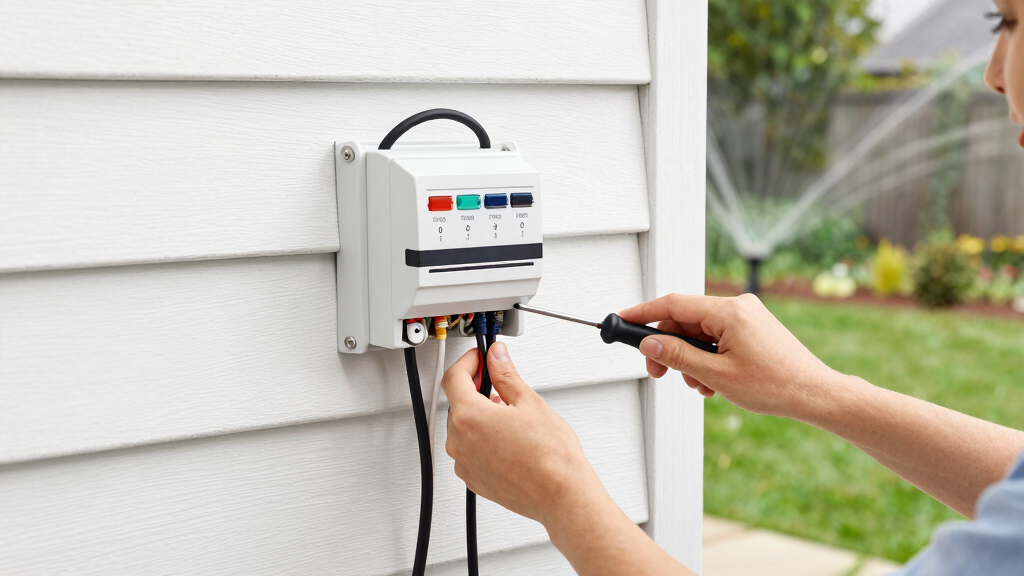
Two-wire irrigation controllers use a single digital line to manage multiple zones, making installation easier in complex setups. Conventional controllers rely on individual wires, offering simplicity but more labor-intensive wiring. Smart features and future-proofing favor two-wire systems for larger or tech-savvy landscapes.
Think your irrigation system has to be a tangled mess of wires? Think again. Modern irrigation controllers are evolving faster than your lawn grows. Whether you’re installing a new setup or upgrading an old one, understanding the difference between two-wire and conventional controllers can save you time, money, and water.
These two approaches handle watering zones differently—and knowing which fits your landscape and lifestyle will help you make a smarter choice. Get ready to see how technology is reshaping how we keep our gardens lush, while conserving resources.
Two-wire controllers simplify wiring, reducing installation time by up to 50% in large landscapes.
Smart features in two-wire systems can cut water use by nearly half during rainy seasons.
Upgrading from conventional to two-wire involves replacing zone valves and controller components, but offers long-term flexibility.
Troubleshooting is easier with two-wire systems thanks to built-in diagnostics and remote alerts.
Choose based on your landscape size, tech appetite, and budget—both systems have their place.
Two-Wire vs Conventional Irrigation Controllers Explained
Conventional systems give every zone its own control wire. Two-wire systems send digital instructions along one shared pair. The right choice comes down to scale, installation effort, compatibility, and how intelligently you want the landscape to respond.
Two ways to reach every valve
Both systems open and close irrigation valves. What changes is the communication architecture: direct point-to-point wiring versus digitally addressed devices sharing one continuous path.
Simple, familiar and best at smaller scale
Each zone receives a dedicated control wire from the controller. The approach is easy to understand and broadly compatible, but every added zone increases the wire count and installation burden.
- Lower controller and component cost
- Works with most established valve systems
- Direct circuits support familiar testing
One shared path built to grow
A single pair runs past multiple valves. Addressed decoders interpret digital commands, allowing zones to be added or reconfigured without pulling a dedicated wire back to the controller.
- Faster installation across complex sites
- Scalable zones without extensive new trenching
- Remote alerts, diagnostics and sensor integration
The practical tradeoffs
Conventional controllers minimize initial complexity. Two-wire controllers shift more intelligence into the field, exchanging a higher equipment cost for easier expansion, smarter control and reduced installation labor.
| Feature | Conventional controller | Two-wire controller |
|---|---|---|
| Wiring | ~ Multiple control wires, typically one per zone | ✓ One shared two-wire path for all addressed zones |
| Installation | ✗ Labor rises sharply with distance and zone count | ✓ Faster and less invasive on large or intricate sites |
| Compatibility | ✓ Broad support for existing valves and controllers | ~ Requires compatible decoders, valves and controller |
| Expansion | ✗ New zones may require trenching and home-run wiring | ✓ Add addressed devices along the existing path |
| Smart control | ~ Often schedule-based; features vary by controller | ✓ Strong support for weather, soil and remote management |
| Diagnostics | ~ Direct testing is simple, but faults are usually found manually | ✓ Built-in monitoring can identify field and decoder faults |
| Upfront cost | ✓ Usually lower for small, straightforward systems | ✗ Higher controller and compatible component cost |
Where digital control earns its keep
Two-wire architecture does not save water by itself. The gain comes from pairing digital control with weather inputs, soil sensing, remote oversight and responsive schedules.
Illustrative resource comparison
The smart watering chain
Modern irrigation becomes adaptive when field conditions inform the controller, the controller targets a digital address, and diagnostics confirm that the intended zone responded.
Audit the existing field wiring
Map every zone, valve location, wire route and fault. Existing conductors may be reusable only if their condition and specification suit the chosen system.
Confirm component compatibility
Select a two-wire controller and compatible field decoders or valves. Brand and model requirements can determine what must be replaced.
Address, commission and test
Assign each zone, verify communication and test flow, sensor data, remote alerts and manual fallback before regular operation.
What exactly are conventional irrigation controllers—and why are they still popular?
Conventional irrigation controllers are the classic, wired systems. Each zone has its own dedicated wire running from the controller to the valve. Imagine a spider with long legs, each connecting directly to a different part of your garden. These wires transmit signals telling valves when to open and close.
They’re simple, reliable, and familiar. If you’ve ever seen an old sprinkler system with a box on the wall and wires snaking across your yard, that’s a conventional setup. Troubleshooting is straightforward—check a wire, test a valve, and you’re back in business.
However, as your landscape expands or changes, these wires can become a logistical challenge. Running new wires through established landscaping or under driveways can be invasive and costly, often requiring digging or trenching. This can lead to damage or increased labor, which might outweigh their simplicity. Conversely, their direct wiring makes them less dependent on technology compatibility, offering a straightforward, time-tested solution for small or static landscapes. The tradeoff is that modifications or expansions can be laborious, and troubleshooting can become complex if multiple zones are affected. For DIYers or small gardens, these systems often strike a good balance of reliability and ease of understanding, but they can limit flexibility in evolving landscapes.
As an affiliate, we earn on qualifying purchases.
What makes two-wire irrigation controllers a game changer in landscape watering?
Two-wire irrigation controllers use just two wires to communicate with all zones, which fundamentally alters how irrigation systems are designed and maintained. Instead of running a separate wire to each zone, a single pair connects the controller to a series of zone valves that understand digital signals. This digital communication allows for more sophisticated control and diagnostics.
Why does this matter? Because it significantly reduces the complexity and cost of installation in large or intricate landscapes. The ability to add or modify zones without extensive rewiring means less disruption to your yard and faster setup. Furthermore, the digital nature of these systems enables integration with smart home devices, weather sensors, and remote management apps, transforming your irrigation into a highly adaptable system.
In practical terms, this means a homeowner can easily update watering zones or troubleshoot issues remotely, making maintenance more manageable. The tradeoff is that these systems require compatible zone valves and more initial setup knowledge. Yet, for large properties or those looking to incorporate future technology, the advantages outweigh the initial investment, providing a scalable, intelligent watering solution that adapts to changing landscape needs and environmental conditions.
conventional sprinkler system controller
As an affiliate, we earn on qualifying purchases.
As an affiliate, we earn on qualifying purchases.
How do the installation processes compare? Here’s a quick rundown
| Feature | Conventional Controller | Two-Wire Controller |
|---|---|---|
| Wiring | Multiple wires, one per zone | Only two wires total, all zones on a single loop |
| Installation difficulty | Labor-intensive, especially in large yards or complex layouts | Faster and less invasive, suitable for large or intricate landscapes |
| Compatibility | Works with most existing valves and systems | Requires compatible zone valves designed for digital communication |
| Expansion | Challenging; may require rewiring and reconfiguration | Simple; add zones by configuring signals without rewiring |
smart irrigation system with zone control
As an affiliate, we earn on qualifying purchases.
As an affiliate, we earn on qualifying purchases.
Which system saves more water — and why?
Smart features in two-wire controllers often lead to better water savings because they can adjust watering schedules based on real-time data like weather forecasts, soil moisture levels, and plant types. This adaptive approach prevents overwatering during rainy periods and underwatering during droughts, optimizing water use.
Conventional controllers, relying on preset schedules, lack this responsiveness, often leading to water waste when conditions change unexpectedly. Studies show that two-wire systems with integrated weather sensors can reduce water usage by 30-50% during rainy seasons, translating into significant cost savings and environmental benefits.
In practical terms, this means your lawn won’t be overwatered after a rainstorm, and you’ll conserve resources without sacrificing plant health. The ability to fine-tune watering based on real-world conditions makes two-wire systems a forward-looking choice that balances conservation with healthy landscapes.
As an affiliate, we earn on qualifying purchases.
What are the main pros and cons side-by-side?
- Conventional Controllers: Simple installation, lower upfront cost, and broad compatibility make them accessible. However, as your landscape grows, wiring becomes increasingly complicated, troubleshooting can be time-consuming, and adding new zones often requires extensive rewiring, which can be disruptive and costly.
- Two-Wire Controllers: Offer easier installation in large or complex landscapes, support advanced smart features, and facilitate future expansion without rewiring. The main tradeoffs include higher initial equipment costs and the need for compatible zone valves designed for digital communication. While they may seem more complex initially, their scalability and diagnostic capabilities often result in lower maintenance costs and greater flexibility over time.
Can you upgrade from a traditional to a two-wire system? Here’s what to consider
Upgrading from a conventional to a two-wire system is feasible but involves careful planning. You’ll need to replace existing zone valves with compatible digital ones and install a controller designed for two-wire operation. This process often requires rewiring or installing new wiring paths, especially if your current wiring is outdated or damaged.
Cost considerations include purchasing new valves and controllers, as well as labor for installation. While the upfront investment can be substantial, the benefits—such as easier zone management, remote control, and smart features—can outweigh the costs over the lifespan of your system. It’s also an opportunity to improve overall system reliability and integrate future technologies.
Consulting a licensed irrigation professional is highly recommended to ensure compatibility, proper installation, and compliance with local codes. Proper planning and execution can minimize disruptions and maximize the long-term value of your upgrade, making it a strategic investment in your landscape’s health and efficiency.
Troubleshooting: What happens when your system hiccups?
Conventional systems typically require manual troubleshooting—checking wiring connections, testing individual valves, and resetting timers when issues arise. Problems often stem from damaged wires, stuck valves, or power failures, which can be time-consuming to identify and repair, especially if wires are buried deep or in hard-to-reach areas. This process can lead to prolonged watering disruptions and water waste if not addressed promptly.
Two-wire systems, on the other hand, often come equipped with diagnostic tools that can detect issues like leaks, broken wires, or faulty valves. These diagnostics can be accessed via system displays or remote apps, providing real-time alerts and detailed error reports. This capability accelerates problem identification and reduces water loss, making maintenance more efficient and less invasive.
Regular system checks, software updates, and sensor calibration are recommended for both types. However, the built-in diagnostics of two-wire systems significantly enhance troubleshooting speed and accuracy, saving time and resources in the long run.
Frequently Asked Questions
Can I install a two-wire system myself?
While DIY installation is possible for those comfortable with basic wiring and electronics, consulting a licensed professional ensures compatibility, proper setup, and adherence to local codes. It’s especially recommended for large or complex landscapes.
Are two-wire controllers more expensive?
Initial costs are generally higher due to specialized equipment and valves, but installation savings and smart features can offset this over time. Consider long-term water savings and system flexibility when evaluating costs.
Will a two-wire system work with my existing valves?
Not always. Two-wire systems typically require compatible zone valves designed for digital signals. Check with your system provider or a professional before upgrading.
What maintenance do these systems need?
Conventional systems mostly need wiring checks and valve testing. Two-wire controllers benefit from software updates, sensor calibration, and occasional diagnostics. Regular inspections keep everything running smoothly.
Is smart irrigation worth it for a small yard?
Yes, especially if you want to optimize water use and reduce bills. Even small systems can benefit from weather adjustments and remote control, making watering more efficient and less manual.
Conclusion
Both two-wire and conventional irrigation controllers have their strengths. But if your yard is complex or you want to harness the power of smart watering, two-wire systems are quickly becoming the smarter choice. They’re designed to grow with your landscape and save you water—and money—over time.
Next time you’re wiring your garden, visualize a system that’s easier, smarter, and more adaptable. Your plants—and the planet—will thank you.
Halloween Picks
halloween
As an affiliate, we earn on qualifying purchases.