
TL;DR

Get home appliances delivered free with Prime
- Fast, free delivery on millions of items
- Prime Video, Amazon Music and more included
- Member-only deals all year
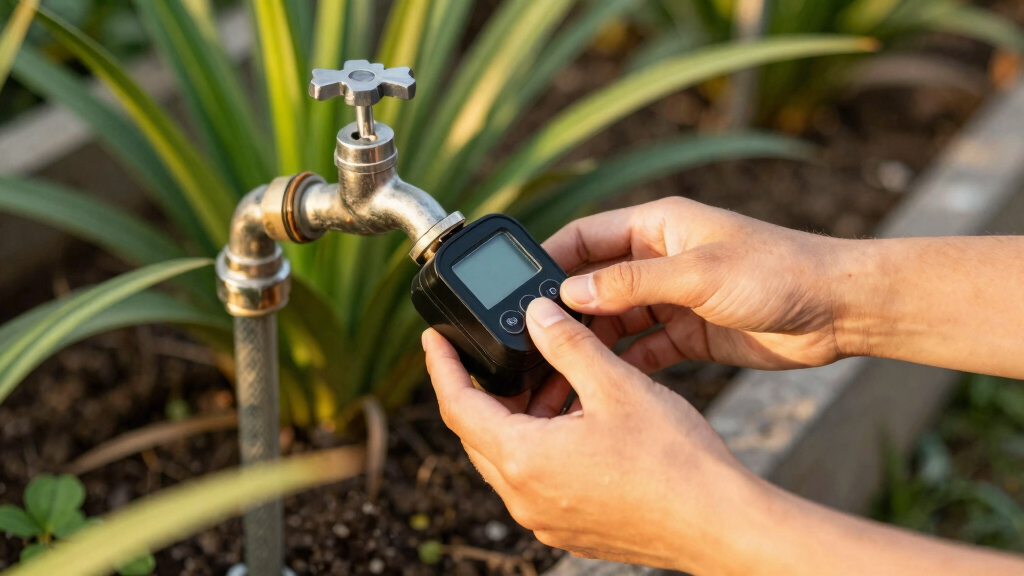
Programming a hose timer for deep watering involves setting longer durations less often, ideally early in the morning. Smart timers and weather integrations make this easier and more efficient. Regular testing and adjustments keep your garden thriving.
Imagine walking into your garden after a long day. The rich, dark aroma of moist soil hits you. Your plants, standing tall and vibrant, owe it to a simple but powerful trick: deep, consistent watering. Programming your hose timer correctly turns this into a set-it-and-forget-it routine that keeps roots deep and plants thriving. But it’s not just about time—it’s about understanding your garden’s heartbeat, the soil, the weather, and your plant’s needs. This guide breaks down how to master your hose timer for deep watering, making every drop count.
Set your timer for 30-60 minute sessions once or twice a week for deep roots.
Use early morning schedules to maximize water absorption and minimize evaporation.
Choose a digital timer with multiple zones and weather adjustments for best results.
Regularly test and clean your timer and hoses to ensure consistent watering.
Smart timers with weather integration save water and reduce manual adjustments.
Why Deep Watering Matters More Than You Think
Deep watering encourages roots to grow down into the soil, making plants more drought-resistant. Instead of quick surface wetting, you want water to reach 6-12 inches deep. This reduces runoff, cuts water waste, and boosts plant health. For example, watering for 45 minutes once a week can penetrate clay soil deeply enough to support healthy root growth, unlike short, frequent drizzles that only wet the surface.
By focusing on deep watering, you’re essentially training your plants to develop a robust root system that can access moisture stored deeper underground. This has profound implications: it means your plants are less vulnerable during dry spells, requiring less frequent watering and reducing your water bills. However, there’s a tradeoff—overwatering or watering too long can lead to waterlogged soil, which suffocates roots and promotes disease. The key is finding that sweet spot where roots grow deep without drowning the plant, emphasizing the importance of understanding your soil type and adjusting accordingly.
hose timer with weather integration
As an affiliate, we earn on qualifying purchases.
As an affiliate, we earn on qualifying purchases.
Pick the Right Hose Timer — Digital or Mechanical?
| Feature | Digital Timer | Mechanical Timer |
|---|---|---|
| Precision | Highly adjustable, down to the minute | Basic, limited control |
| Ease of Use | Touch screens, digital displays | Dial and manual controls |
| Features | Multiple zones, rain delay, app control | Simple on/off |
| Cost | Generally higher | More affordable |
Choosing between digital and mechanical timers isn’t just about budget—it’s about what level of control and flexibility your garden requires. Digital timers offer precise scheduling, which is crucial for deep watering because inconsistent timings can lead to shallow watering or overwatering. They often come with features like multiple zones, rain delay, and even app control, allowing you to fine-tune your watering schedule based on weather patterns and soil moisture levels. Mechanical timers, while more affordable and straightforward, lack this flexibility and may not deliver the consistency needed for optimal deep watering. Investing in a digital timer might seem costly upfront, but the ability to customize and automate watering can lead to healthier plants and water savings in the long run.
As an affiliate, we earn on qualifying purchases.
Set Your Timer for Long, Deep Watering Sessions
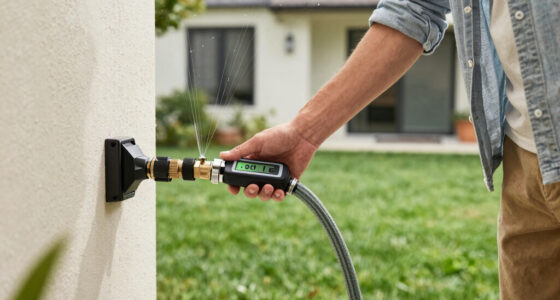
Deep watering demands longer run times—think 30 to 60 minutes per session. For example, if your soil is sandy, you might water twice a week for 45 minutes. Clay soils may need slightly longer but less often. Adjust based on your plant type, soil, and weather. The goal: water penetrates deeply, encouraging roots to stretch downward.
It’s essential to understand that longer watering sessions aren’t just about quantity—they influence how water moves through different soil types. Sandy soils drain quickly, so longer durations ensure water reaches deeper layers, preventing surface runoff. Conversely, clay soils hold water longer, making shorter, more frequent sessions more effective. The tradeoff here is between overwatering and under-watering; too long can lead to waterlogged roots, while too short may not reach the desired depth. Monitoring soil moisture and observing plant health will help you fine-tune these durations for optimal deep watering, ensuring roots grow deep and resilient.
automatic hose timer for deep watering
As an affiliate, we earn on qualifying purchases.
As an affiliate, we earn on qualifying purchases.
Schedule for Early Morning — Why It Works Best
Watering early in the morning is like giving your plants a fresh cup of coffee. Moist soil in the cool morning hours minimizes evaporation and fungal issues. Imagine the soft glow of dawn as your garden drinks up the moisture, ready to face the day stronger and more resilient.
Beyond reducing water loss, early morning watering helps plants absorb moisture more efficiently. During cooler temperatures, evaporation is minimized, meaning more water penetrates deeply into the soil where roots can access it. This timing also reduces the risk of fungal diseases that thrive in damp, warm conditions if watering occurs later in the day. By aligning your watering schedule with the cooler, less humid parts of the day, you’re optimizing water use and promoting healthier, more vigorous growth. Setting your timer for early morning hours ensures these benefits are automatic, saving you time and effort.
As an affiliate, we earn on qualifying purchases.
Incorporate Weather Data for Smarter Watering
Smart timers that connect to weather apps or stations can skip watering during rain or adjust schedules based on forecasted weather. For example, if rain is predicted, your timer automatically suspends watering, saving water and preventing overwatering. According to Timer One, these features are game-changers for efficient, responsive garden care.
Understanding the implications of weather-based automation is crucial: it not only conserves water but also prevents common issues like root rot caused by overwatering in rainy periods. These systems analyze real-time data and forecast information, making adjustments that a manual schedule can’t match. The tradeoff, however, is reliance on technology—if the weather station malfunctions or connectivity drops, your garden might miss essential watering sessions. Therefore, it’s wise to combine weather automation with manual checks during extreme conditions or prolonged rainy spells to ensure your deep watering remains effective and your plants stay healthy.
Maintain and Test Your Timer — Keep It Running Smoothly
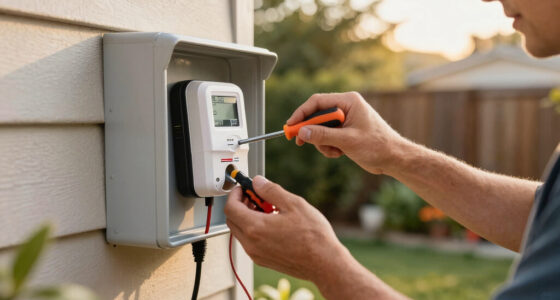
Regularly check for leaks, clogs, or battery life issues. Test your programming monthly. Imagine discovering your timer skipped a scheduled watering because of a dead battery—prevent that with simple monthly tests. Clean hoses and filters to keep water flowing freely.
Deep maintenance isn’t just about fixing problems—it’s about understanding your system’s performance and ensuring it delivers consistent, deep watering. Leaks or clogs can significantly reduce water reaching plant roots, defeating the purpose of your schedule. Batteries, especially in digital timers, need regular replacement to prevent unexpected shutdowns. Conducting monthly tests by manually running the schedule helps you catch issues early, avoiding dry spells or overwatering. Additionally, inspecting hoses and filters prevents debris buildup that can restrict flow, ensuring every drop counts toward healthy, deep root growth.
Recent Tech Boosts — Making Deep Watering Easier
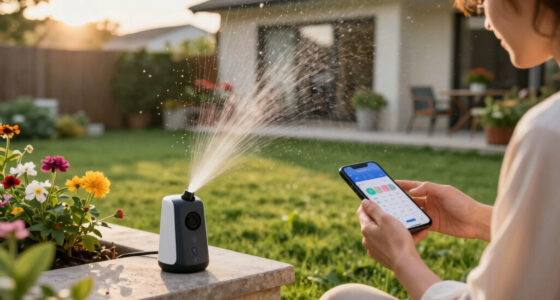
New smart timers with Wi-Fi enable remote control, letting you adjust watering from your couch. Weather integration means your garden gets exactly what it needs, no more, no less. Enhanced durability ensures timers withstand sun, rain, and wind—so you don’t have to worry about replacing them every season.
These technological advancements are not just about convenience—they fundamentally improve watering efficiency and plant health. Remote control allows for quick adjustments during unexpected weather changes, ensuring your deep watering schedule adapts seamlessly. Weather integration minimizes water waste by suspending or adjusting schedules automatically, which is especially valuable during unpredictable seasons. Durability features prevent breakdowns due to environmental exposure, reducing long-term costs and ensuring consistent deep watering. Embracing these innovations means your garden benefits from smarter, more reliable watering strategies that support healthy growth with less manual effort.
Frequently Asked Questions
How do I determine the right watering duration for my garden?
Start with 30 minutes for sandy soils and up to an hour for clay. Observe how deeply the water penetrates—use a soil probe or simply dig a small hole. Adjust based on plant health and soil type; deeper roots need longer watering sessions.
Can I program my timer to water different zones at different times?
Yes, most digital timers allow multiple zones with independent schedules. For example, you can water your flower beds for 45 minutes in the morning and the vegetable patch for 30 minutes in the evening, optimizing water use across your garden.
What’s the best way to handle watering during rainy seasons?
Use timers with rain delay features or connect to weather apps for automatic adjustments. This prevents overwatering and conserves water—plus, it keeps your plants from sitting in soggy soil, which can lead to root rot.
Are solar-powered timers reliable enough?
Solar timers work well if they receive enough sunlight. They tend to be eco-friendly and save on batteries. However, in shaded areas or during overcast days, make sure to check the power and consider backup batteries.
Conclusion
Deep, healthy watering starts with a smart timer and the right schedule. With consistent, well-timed sessions, your garden’s roots will grow deeper and stronger—turning your yard into a lush oasis. Remember: a little setup today pays off with vibrant, drought-resistant plants tomorrow.
So pick your timer, set it for success, and let Mother Nature do the rest. Your garden will thank you with every vibrant leaf and fragrant bloom.
Fall yard work Picks
leaf blowers
As an affiliate, we earn on qualifying purchases.