TL;DR

Get home appliances delivered free with Prime
- Fast, free delivery on millions of items
- Prime Video, Amazon Music and more included
- Member-only deals all year
Random mode timers mimic real home activity by turning devices on and off unpredictably. They make your home look occupied, deterring intruders and increasing security. Modern systems are smarter, more customizable, and easy to set up.
Random mode timers create unpredictable on/off patterns, making your home look lively and occupied.
Using multiple devices across different rooms enhances the realism of the simulation.
Advanced timers incorporate AI and smart integrations for more natural, less predictable routines.
Proper setup and variation are key—predictable patterns can undermine security.
Pairing timers with cameras and alarms boosts overall home protection.
What Exactly Are Random Mode Timers and How Do They Fool Intruders?
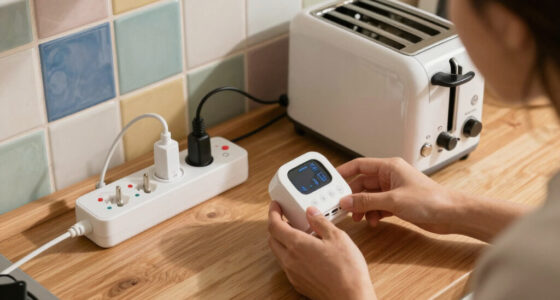
Random mode timers are smart devices that turn your lights, TVs, or other electronics on and off unpredictably. This randomness mimics the natural variability of human activity, making it look like someone is home. For example, instead of turning a lamp on at the same time every night, a timer might turn it on at 7:15 pm one day, then at 6:45 pm the next, and off at different times too.
This unpredictability is key. It prevents burglars from spotting a pattern—something they look for before breaking in. When your home’s activity appears random and inconsistent, it’s like flashing a neon sign saying, “Don’t bother.” This visual cue can be enough to make a burglar decide that the risk of getting caught outweighs the reward, especially in areas where break-ins are common. The subtlety of this deception is what makes random timers so effective; they exploit the thief’s need for predictability, turning it against them, and increasing your home’s security without any overt alarms or barriers.
smart random mode timers for home security
As an affiliate, we earn on qualifying purchases.
As an affiliate, we earn on qualifying purchases.
How Do These Timers Make Your Home Look Truly Lived-In?
Here’s what happens inside your house: lights flicker on during typical evening hours, TVs turn on sporadically, and even small appliances like coffee makers or radios seem to operate randomly. Imagine a neighbor noticing the living room lamp brightening at 6:30 pm, then dimming at 8 pm, and the TV turning on at 10:15 pm—every day, but not at predictable times.
This variability is crucial because it reflects real human behavior, which is inherently inconsistent. When devices operate at irregular intervals, it mimics the natural unpredictability of a household with multiple members, routines, and spontaneous activities. If everything turned on and off at the same time every day, it would look robotic and suspicious. Random timers introduce subtle variations that, over time, create a convincing illusion of a lively, occupied home. This illusion can be so convincing that even neighbors or passersby might believe someone is actually inside, further deterring potential intruders who rely on observing patterns to time their crimes.
The tradeoff here is that the randomness must be carefully calibrated; too much variability can make the home look disorganized or suspicious, while too little can make it predictable. Striking the right balance ensures the illusion remains natural, effective, and convincing.
programmable lighting timers for security
As an affiliate, we earn on qualifying purchases.
As an affiliate, we earn on qualifying purchases.
The Top 5 Features That Make Random Timers a Home Security Game-Changer
| Feature | Why It Matters |
|---|---|
| Smart Algorithms | They generate unpredictable on/off patterns, mimicking human behavior. This prevents burglars from detecting any regularity, which is key because predictable patterns are the first thing intruders look for. The more sophisticated the algorithm, the more natural and convincing the illusion of occupancy becomes, reducing the chance that a thief will identify the home as unoccupied. |
| Multiple Device Control | Simulate activity in different rooms—lights, TV, radios—making it more convincing. By staggering device activation across various areas, the system creates a layered illusion of life, which is more difficult for intruders to dismiss or detect as a fake. This multi-room approach also accounts for different routines, like someone watching TV in the evening while lights are on in other rooms, adding depth to the deception. |
| Customizable Schedules | Set active hours to match your routine, then add randomness within those times. This flexibility ensures the system can adapt to your lifestyle, making the simulation more believable. It also allows for easy adjustments if your schedule changes, maintaining the illusion’s effectiveness over time. The tradeoff is that overly rigid schedules, even with some randomness, can still be detected, so careful calibration enhances security. |
| Remote Access | Change settings or turn devices on/off via app, even when away. This feature provides peace of mind, allowing you to tweak patterns or respond to situations without physical access. It helps maintain the illusion during extended absences, like vacations, and enables quick responses if you notice suspicious activity. However, reliance on remote control introduces a slight security risk if the app or system isn’t secure, so choosing reputable providers is essential. |
| Secure Communication | Encrypted signals prevent hacking, keeping your simulation safe from intruders. Security of the communication channels themselves is vital because if an intruder can hack into the system, they could disable the timers or even manipulate them to make your home look unoccupied. Encryption and regular security updates are necessary tradeoffs to ensure your home remains protected from cyber threats, making this feature a crucial security layer. |
As an affiliate, we earn on qualifying purchases.
Frequently Asked Questions
Can random timers be hacked or compromised?
While any connected device can be a target, choosing reputable brands and keeping firmware updated minimizes risks. Secure Wi-Fi networks and strong passwords add extra layers of safety.
How long does it take to set up a good random timer system?
Most systems take about 10-20 minutes to program, especially with user-friendly apps. Once set, you can tweak patterns anytime remotely.
Are random timers only for security, or can they save energy too?
They do both. By simulating occupancy, they can reduce the temptation for burglars and help cut energy waste when you’re away or asleep. Proper scheduling ensures efficiency and security go hand-in-hand.
home security devices with random lighting
As an affiliate, we earn on qualifying purchases.
As an affiliate, we earn on qualifying purchases.
Conclusion
A simple flicker of a light or a TV turning on at odd hours isn’t just a coincidence. It’s a strategic move—using technology to make burglars think your home’s always buzzing with activity. With a little setup, your home can be a fortress of convincing illusions, all without lifting a finger.Fall yard work Picks
leaf blowers
As an affiliate, we earn on qualifying purchases.