TL;DR

Get home appliances delivered free with Prime
- Fast, free delivery on millions of items
- Prime Video, Amazon Music and more included
- Member-only deals all year
Plug-in timers are great for many devices, but some loads—like high inrush electrical devices or inductive motors—can damage them or cause hazards. Always match load types and ratings carefully before connecting.
Imagine your smart plug flickering out just when you need it most—because you connected the wrong device. Plug-in timers are handy, but they’re not built for everything. Knowing what loads to avoid keeps your home safe, your devices happy, and your energy bills in check.
This guide cuts through the confusion. You’ll learn exactly which appliances and devices can wreck your timer—and which are safe bets. Let’s get your smart automation working safely and smoothly.
Always verify your device’s wattage and amperage before connecting to a timer.
High inrush, inductive, or continuous loads can damage timers or cause hazards.
Modern timers with digital features handle loads better but still require careful matching.
Resistive loads like small lamps or chargers are safe bets for timers.
Safety certifications and manufacturer specs are your best guides for safe connections.
What Loads Should Never Go on a Plug-In Timer
TL;DR: Plug-in timers are great for lamps, chargers, and other modest resistive loads. They are a bad match for high inrush devices, inductive motors, continuous safety loads, and appliances that can overheat or fail when switched incorrectly.
The timer is only as safe as the load it switches.
Always compare appliance wattage, amperage, startup surge, and load type against the timer’s printed rating before plugging anything in.
of timer failures are commonly tied to overload or incompatible loads.
normal running current can hit when compressors or motors start.
A common plug-in timer limit at 125 volts.
Approximate maximum for a 15A timer at 125V.
Often close to the edge before surge or continuous heat.
Lamps, chargers, routers, and small electronics.
Five loads that can wreck a standard timer
These devices either start with a hard electrical surge, pull heavy continuous current, use inductive motors, or perform critical work that should not depend on a basic plug-in timer.
Refrigerators & Freezers
Startup current can spike far beyond the running load. A weak timer may trip, weld contacts, overheat, or shorten appliance life.
Air Conditioners
Portable and window units can overwhelm ordinary timers when compressors cycle on, especially during hot weather.
Space Heaters
Many draw around 1500W, which leaves little margin and can create heat buildup at the timer contacts.
Washers & Dishwashers
Motors, valves, pumps, and cycle changes create fluctuating demand that basic timers are not designed to switch.
Power Tools & Pumps
Sump pumps, well pumps, compressors, and saws can create sharp spikes that exceed ordinary plug-in timer ratings.
Why the wrong load fails fast
Overload is not just a nuisance. It creates heat, contact stress, nuisance trips, premature electronics failure, and in severe cases an electrical fire risk.
Match the timer to the real starting demand, not just the running watts.
A refrigerator might look modest once running, but its compressor can demand several times more current for a brief moment. That moment is where many timers lose.
Read
Find watts, amps, voltage, and load type on the appliance label.
Compare
Check the timer’s resistive, motor, and maximum load ratings.
Account
Allow for compressor, pump, and motor startup surge.
Certify
Prefer UL or equivalent safety certification for the exact use.
Decide
Use a direct outlet, dedicated circuit, or rated appliance timer when needed.
Timer compatibility comparison
Modern digital and smart timers may include surge protection or overload detection, but their printed specifications still decide what they can safely switch.
| Load Type | Examples | Standard Timer | Main Risk | Better Choice |
|---|---|---|---|---|
| Low resistive | Table lamps, LED strings, small chargers | ✓ | Low heat and predictable draw | Standard certified timer |
| Small electronics | Routers, modems, low-power devices | ✓ | Check restart behavior | Digital timer or smart plug |
| Inductive motor | Refrigerator, freezer, air conditioner | ✗ | High startup surge | Direct outlet or rated appliance controller |
| Heavy heat load | Space heaters, ovens, heat lamps | ~ | Continuous high wattage | Dedicated outlet and manufacturer guidance |
| Critical load | Medical equipment, sump pumps, safety devices | ✗ | Power interruption hazard | Purpose-built backup and control system |
Rule of thumb: safe loads are predictable, modest, and noncritical. Unsafe loads surge, heat heavily, cycle motors, or must stay powered.
Load risk spectrum
How to match a device before plugging it in
A timer rated at 15A and 125V can theoretically switch about 1875W, but real-world safety depends on load type, startup behavior, ventilation, duty cycle, and certification.
Usually safe bets
These are the everyday timer jobs that tend to behave predictably.
- ✓Table lamps and low-watt decorative lighting
- ✓Small chargers and low-power electronics
- ✓Wireless routers, modems, and light-duty devices
Use caution or avoid
These need a rated controller, direct outlet, dedicated circuit, or professional advice.
- !Refrigerators, freezers, air conditioners, and compressors
- !Space heaters, heat lamps, ovens, and other high-watt loads
- !Pumps, large tools, medical equipment, and safety-critical devices
The safe automation path
When every link is checked, plug-in timers stay useful without turning convenience into a hidden electrical risk.
Why Some Loads Will Destroy Your Timer—And How to Spot Them
Plug-in timers are designed for specific electrical loads. When you connect a device that draws too much power or has a high starting surge, you risk damaging your timer or even starting a fire.
For example, a refrigerator’s compressor motor demands a surge of up to 5-7 times its normal running current at startup. If your timer isn’t rated for that, it’s like asking a small boat to handle a storm—it’ll likely sink or get damaged.
Understanding why these surges matter is crucial. Devices with high inrush currents or inductive loads—like motors and compressors—produce sudden power demands that can cause timers to overheat or fail prematurely. This isn’t just about replacing a broken timer; it’s about preventing potential fires or electrical hazards that could threaten your home. Always check your timer’s maximum load capacity—measured in amps or watts—and compare it with your device’s power needs. Ignoring these limits means risking costly damage and compromising your safety. Recognizing these electrical characteristics helps you make informed decisions that balance convenience with safety, avoiding the tradeoff of a quick fix that could lead to long-term danger.
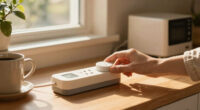
digital plug-in timer for resistive loads
As an affiliate, we earn on qualifying purchases.
As an affiliate, we earn on qualifying purchases.
The Top 5 Loads That Should Never Go on a Plug-In Timer
- Refrigerators and Freezers: These appliances contain compressors that draw high inrush currents during startup. Connecting them to a timer can cause the device to trip or burn out because the timer isn’t designed to handle such sudden power demands. Over time, this can lead to overheating of the timer, increasing fire risk and reducing the lifespan of both the timer and the appliance. Using a timer that’s rated for inductive loads or a dedicated appliance timer can mitigate these risks, but often, it’s safer to connect these appliances directly to a dedicated outlet without a timer.
- Air Conditioners: Especially window units or portable models with motors that demand large power surges at startup. These surges can overwhelm standard timers, leading to malfunction or damage. Additionally, improper switching can cause the compressor or motor components to wear prematurely, reducing efficiency and lifespan. For safety and longevity, consider timers specifically rated for inductive or high-inrush loads, or avoid using timers with these appliances altogether.
- Space Heaters: High wattage (often over 1500W) can easily surpass typical timer ratings, risking overheating, melting of components, or electrical fires if the timer isn’t rated for such loads. Many users leave space heaters on for extended periods, which, combined with high power draw, greatly increases fire risk if the timer isn’t designed for continuous heavy loads. Always verify the wattage and choose a timer rated for high-wattage appliances, or plug the heater directly into a dedicated outlet with proper circuit protection.
- Washing Machines and Dishwashers: These appliances have motors and solenoid valves that draw variable, often high, power during different phases of their cycle. The fluctuating load, especially during start-up or water filling, can cause timers not designed for inductive or variable loads to malfunction or fail. This can result in unexpected operation, damage to the timer, or even electrical hazards if the device shorts or overheats. For these appliances, it’s best to connect them directly to a dedicated circuit or use specialized timers rated for such fluctuating loads.
- Large Power Tools and Pumps: Circular saws, sump pumps, well pumps, or air compressors contain motors with high starting currents. These surges can produce power spikes that overwhelm typical timers, leading to overheating, failure, or fire hazards. Continuously connecting such loads without proper rated timers or using dedicated outlets can pose serious risks. Always match the load’s starting current and wattage to the timer’s specifications, and consider professional advice for high-demand equipment to ensure safety and long-term reliability.
Connecting these loads to a standard timer can lead to overheating, failure, or worse, electrical fires. Always check the device’s power specs and match them to your timer’s capacity. Recognizing the characteristics of these loads—high surge currents, inductive components, or high wattage—helps prevent costly damage and safety risks. When in doubt, consult a professional or opt for timers specifically rated for heavy or inductive loads to ensure safety and durability.
high inrush current appliance timer
As an affiliate, we earn on qualifying purchases.
As an affiliate, we earn on qualifying purchases.
How to Read Your Device’s Power Rating and Match It Correctly
Always look for the wattage or amperage label on your appliance. For example, a small lamp might use 60W, while a space heater could draw 1500W. Your timer’s maximum load might be rated for 15A at 125V, which equals about 1875W.
If your device exceeds this rating, don’t connect it directly to the timer. Instead, consider a dedicated outlet or a timer rated for higher loads. When in doubt, consult the manufacturer’s guidelines or hire a licensed electrician for tricky or high-power loads.
As an affiliate, we earn on qualifying purchases.
Comparison Table: What Loads Are Safe vs. Unsafe for Plug-In Timers
| Safe Loads | Unsafe Loads |
|---|---|
| Table lamps, small fans, low-power electronics | Refrigerators, air conditioners, space heaters |
| LED string lights, small chargers | Power tools, large kitchen appliances |
| Wireless routers, modems | Washing machines, sump pumps |
As an affiliate, we earn on qualifying purchases.
Modern Digital and Smart Timers Handle Loads Better—But Still Be Cautious
Newer timers with solid-state electronics often manage a wider range of loads. They include features like surge protection and overload detection. But even these advanced timers have limits.
For example, a smart plug rated for 15A can handle standard household devices but might struggle with a refrigerator’s startup surge or a high-wattage heater. Always verify the specs before plugging in high-demand appliances.
Remember: technology improves, but it doesn’t turn a weak timer into a magic bullet for heavy loads. Safety first.
Safety Tips for Using Timers with Your Appliances
- Always check the load ratings: Match device wattage and amperage with the timer’s capacity.
- Read the labels: Look for the maximum load ratings printed on your devices and timers.
- Use dedicated timers for heavy loads: Avoid daisy-chaining multiple devices or using extension cords.
- Choose timers with safety certifications: Look for UL or equivalent labels to ensure tested safety standards.
- When in doubt, consult a professional: Especially for high-power or complex loads, get expert advice to prevent hazards.
Frequently Asked Questions
Can I put my refrigerator on a plug-in timer?
Most refrigerators have motors with high inrush currents, making them unsafe for standard timers. Only use a timer rated for inductive loads or one specifically designed for appliances with compressors. Otherwise, you risk damaging your timer or causing electrical hazards.
What happens if I put a high-power appliance on a timer?
It can cause the timer to overheat, malfunction, or fail prematurely. In worst cases, it could lead to electrical fires. Always check the appliance’s power rating and match it with the timer’s capacity before plugging in.
Are smart timers better for controlling appliances?
They often handle a wider range of loads and include safety features like surge protection. But always double-check their rated load and compatibility—don’t assume they can handle everything without verification.
How do I know if my load is safe for a timer?
Compare the device’s wattage or amperage label with the timer’s maximum load capacity. If your device exceeds those limits, don’t connect it. When uncertain, consult the manufacturer or hire an electrician for advice.
What are the safest loads to control with a timer?
Resistive loads like lamps, small fans, and low-power electronics are safest. They draw steady, predictable power that timers can handle reliably without risking damage or hazards.
Conclusion
Timers are powerful tools for saving energy and automating routines, but they’re not universal. Connecting the wrong load can turn a helpful device into a hazard. Think of your timer as a gatekeeper—only let in the loads it’s built to handle.
Keep your home safe, and your timers will serve you well. When in doubt, check those ratings—your safety depends on it. Brighten your home’s automation carefully, and enjoy peace of mind every time you schedule a device to turn on or off.
Cold & flu season Picks
humidifiers
As an affiliate, we earn on qualifying purchases.