
TL;DR
Listen free for 30 days with Audible
Thousands of audiobooks and originals — cancel anytime.
Start your free trialAs an affiliate, we earn on qualifying purchases.
Mechanical timers are simple and durable, perfect for basic schedules. Digital timers offer more precision, flexibility, and smart features. Your choice depends on your specific needs and setup.
Ever tried setting a timer and felt frustrated by confusing dials or limited options? You’re not alone. Choosing between a mechanical and a digital outlet timer can feel like comparing a vintage watch to a sleek smartwatch. But your decision impacts how smoothly your home runs, saves energy, and simplifies daily routines.
In this guide, you’ll discover the real differences—what each type does best, where they fall short, and how to pick the right one for your needs. Whether you’re automating outdoor lights, holiday decorations, or a smart home setup, understanding these timers makes your life easier and more energy-efficient.
Mechanical timers are simple, durable, and ideal for basic outdoor or holiday lighting schedules.
Digital timers excel with complex schedules, remote control, and energy monitoring, justifying higher costs.
Weatherproofing and environmental durability matter—choose timers rated for outdoor use for longevity.
Digital timers are generally more accurate and can be integrated into smart home systems, but beware of security risks.
Your choice depends on your routine complexity, environmental conditions, and budget—balance features with needs.
Mechanical vs Digital Outlet Timers: Which Should You Buy?
Mechanical timers are simple, durable, and perfect for basic repeating schedules. Digital timers add precision, multiple programs, remote control, and smarter routines. The right choice depends on how complex your schedule is, where the timer lives, and how much control you actually need.
Digital timers are generally more accurate than mechanical models because they rely on internal clocks and programmable logic, according to Timer One.
Mechanical models usually win on cost. Digital models justify the premium when flexible schedules, app control, or energy tracking matter.
Think vintage watch versus smartwatch: both tell time, but only one adapts to your routine.
The real difference is control.
Mechanical timers use gears, dials, and pins to repeat a basic schedule. Digital timers act more like small computers, using screens, buttons, memory, and internal clocks to manage more precise routines.
Simple schedules
Best for porch lights, holiday decorations, lamps, fountains, and other devices that follow the same on/off rhythm every day.
Complex routines
Better for multiple on/off cycles, weekday versus weekend settings, sunrise/sunset changes, vacation modes, and remote control.
Rating matters
For rain, dust, cold, and heat, choose a timer specifically rated for outdoor use. Weatherproofing matters more than the label on the box.
Side-by-side buying table.
Use this comparison when the choice feels fuzzy. Mechanical wins on rugged simplicity; digital wins when your schedule changes or precision matters.
| Decision Factor | Mechanical Timer | Digital Timer | Best Pick |
|---|---|---|---|
| Basic daily on/off | ✓Fast and easy | ✓Works, but more setup | Mechanical |
| Multiple schedules | ✗Usually limited | ✓Multiple cycles and custom days | Digital |
| Accuracy over time | ~Can drift after months | ✓Internal clock keeps tighter time | Digital |
| Harsh outdoor use | ✓Often rugged and simple | ~Choose weatherproof models only | Mechanical |
| Smart home integration | ✗No app or network features | ✓Wi-Fi, Bluetooth, scenes, monitoring | Digital |
| Security risk | ✓No network exposure | ~Connected models require secure setup | Mechanical |
Where digital earns the premium.
Digital outlet timers cost more because they can do more: precise clocks, memory backup, random vacation modes, energy monitoring, and remote control from a phone.
Control depth
Accuracy versus simplicity
A practical decision flow.
Start with the task, then move through schedule complexity, environment, and budget. The best timer is the one that fits the routine without adding unnecessary friction.
Same every day?
Choose mechanical for a single repeatable schedule like lights on at dusk and off later.
Changing hours?
Choose digital for weekdays, weekends, multiple cycles, or seasonal adjustments.
Outside?
Buy an outdoor-rated timer. Rugged mechanical units often last longer in tough spots.
Need remote access?
Pick a digital or smart timer, then secure the app, Wi-Fi, and device firmware.
Buy mechanical for reliability. Buy digital for flexibility.
Mechanical timers are the low-cost, low-fuss choice for basic schedules. Digital timers are worth it when precision, multiple routines, backup memory, energy insights, or smart home control will actually be used.
- Pick mechanical for holiday lights, outdoor lamps, simple fountains, and durable plug-and-play use.
- Pick digital for complex routines, sunrise/sunset settings, remote control, and energy monitoring.
- Pick outdoor-rated for any exposed setup, regardless of timer type.
- Secure smart timers with strong passwords, updates, and trusted apps if they connect to Wi-Fi.
What’s the real difference between mechanical and digital timers?
At their core, mechanical timers are like old-fashioned watches—using gears and pins to turn your devices on and off. They’re simple: just turn a dial, set some pins, and forget it. Digital timers, on the other hand, are tiny computers with screens and buttons, letting you program complex schedules with pinpoint accuracy.
Imagine setting a mechanical timer for outdoor porch lights to turn on at sunset—once set, it repeats every day. Digital timers can do that, plus support multiple on/off cycles, adjust for sunrise/sunset, and even sync with your phone. It’s like comparing a manual typewriter to a modern laptop.
As an affiliate, we earn on qualifying purchases.
Ease of setup: Mechanical vs Digital — which is simpler?
Mechanical timers are straightforward. You twist a dial, set pins or segments, and plug in. No batteries needed, and no menus to navigate. They’re almost foolproof—ideal for basic, repetitive tasks like holiday lighting.
Digital timers require a bit more effort upfront. You’ll press buttons, navigate menus, and set times precisely. But once programmed, they offer greater control. Think of it like the difference between a basic microwave and a smart oven—one’s simple, the other’s smarter but a tad more complex.
For example, setting a mechanical timer for outdoor lamps might take 2 minutes—just turn, set, done. A digital timer might take 5 minutes to set up, but then you can tweak schedules easily from your couch.
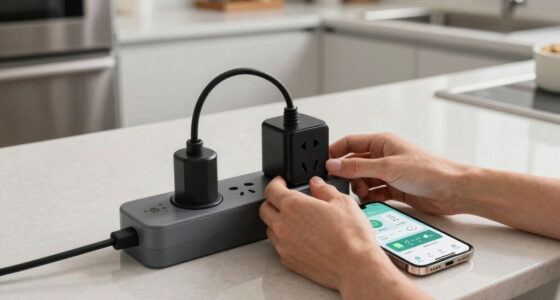
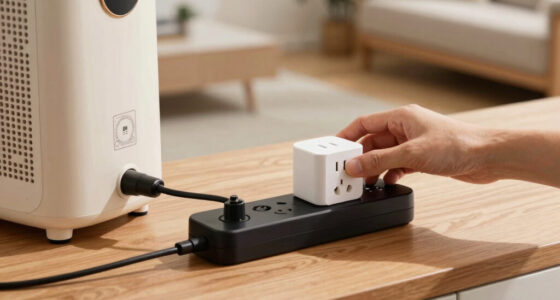
digital outlet timer with remote control
As an affiliate, we earn on qualifying purchases.
As an affiliate, we earn on qualifying purchases.
How flexible are each for daily schedules?
If you need a simple on/off schedule, mechanical timers do the job well. They support a single cycle per day—perfect for outdoor lights that turn on at dusk and off at dawn.
Digital timers shine when your schedule is complex. Want lights to turn on at sunset, off at midnight, then back on again at 6 a.m.? Digital timers handle multiple on/off cycles, weekday/weekend variations, and even seasonal adjustments. Think of digital timers as the Swiss Army knives of scheduling.
For example, a homeowner setting a timer for a fountain might want it on only during certain hours. A mechanical timer can’t handle that, but a digital one can manage multiple, customized routines.
As an affiliate, we earn on qualifying purchases.
Accuracy and reliability — which lasts longer?
Mechanical timers depend on mechanical gears—robust but prone to drift over time, especially if exposed to temperature changes or dust. They’re generally reliable but may need occasional adjustments after years of use.
Digital timers use internal clocks, often with backup batteries. This makes them more precise—within a few seconds—plus they keep time during power outages. But electronic components can fail, especially in harsh environments.
For example, a mechanical timer might lose a few minutes after a year, requiring manual reset. Digital timers with backup batteries keep perfect time for years, making them ideal for critical schedules like medical devices or security lighting.
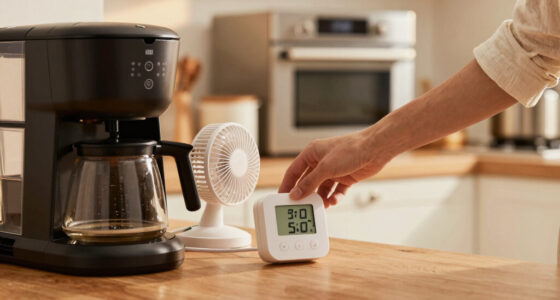
programmable outlet timer for holiday lights
As an affiliate, we earn on qualifying purchases.
As an affiliate, we earn on qualifying purchases.
Power sources: What keeps each timer running?
Mechanical timers usually draw power directly from the outlet they control—no batteries needed. They turn on and off as current flows through, making them simple and reliable for outdoor use.
Digital timers need a power source—batteries or AC power. Battery-powered models can run during outages, but batteries need replacing. AC-powered digital timers are often plugged into the wall, but they rely on constant power to keep settings.
For example, if you live in an area with frequent outages, a battery-backed digital timer can keep your schedule intact, unlike a purely mechanical timer, which might drift or need manual resets.
Features that make digital timers worth the extra cost
Digital timers often include features that mechanical timers can’t match. These include remote control via smartphone apps, energy monitoring, random vacation modes, and sunrise/sunset adjustments. They’re like the smartphones of timers—more capable but a little pricier.
Imagine setting your outdoor lights from your office or vacation—digital timers make that possible. Some models even track energy use, helping you cut costs and reduce waste.
For example, a homeowner used a digital timer with an app to turn on landscape lighting only during certain hours, saving $50 a year on energy bills. These extra features turn basic timers into powerful home automation tools.
Durability and weather resistance: Which withstands the outdoors?
Mechanical timers are often built with rugged materials—metal or tough plastics—making them suitable for outdoor use. They can handle rain, wind, and dust, especially if rated for outdoor environments.
Digital timers may be sensitive to weather unless specifically designed for outdoors. Weatherproof digital models exist, but they tend to be more expensive and can have electronic components vulnerable to moisture.
For example, a homeowner installing outdoor lighting might prefer a mechanical timer for durability, while a digital timer with an outdoor enclosure offers flexibility but at a higher price.
Cost differences: Are digital timers worth the investment?
Generally, mechanical timers are cheaper—often under $20—making them perfect for simple tasks. Digital timers range from $30 to $100 or more, depending on features and robustness.
Think of it like buying a basic car versus a smart vehicle. The digital timer offers more control but costs more upfront. If you need complex scheduling or remote access, it’s worth the extra investment.
For example, a basic mechanical timer might last 5 years with minimal fuss. A digital timer with smart features could last just as long but offers ongoing flexibility and control.
How long do each type last? Maintenance matters
Mechanical timers can last many years—often 10 or more—with minimal maintenance, especially if kept in dry, dust-free spots. They’re simple machines that can outlive many electronic devices.
Digital timers’ lifespan depends on electronic components—usually 3 to 5 years before potential failure or obsolescence. Environmental factors like moisture and temperature can shorten their life.
For example, a homeowner replaced a digital timer after 4 years because it stopped retaining settings, while their mechanical outdoor timer still works perfectly after 12 years.
Which timer type is better for outdoor use?
Mechanical timers are often more durable outdoors because of their rugged build and fewer sensitive components. They resist weather and temperature changes better.
Digital timers designed for outdoor use feature weatherproof enclosures and sealed electronics. But they tend to cost more and may require careful placement.
For example, if you want a timer for your garden lights, a weather-rated mechanical timer might last longer without fuss. But a digital timer with an outdoor case offers smarter scheduling options.
Are digital timers hackable or insecure?
Yes, digital timers connected via Wi-Fi or Bluetooth can be vulnerable to hacking. Security varies widely—some have robust encryption, others less so.
If you’re using a smart timer, make sure to change default passwords and keep firmware updated. Regularly check for security patches to protect your home network.
For example, a homeowner using a Wi-Fi-enabled digital timer for outdoor lights took steps to secure their device, preventing potential unauthorized control.
Frequently Asked Questions
Can I use a digital timer outdoors?
Yes, but only if it’s rated for outdoor use. Look for weatherproof models with sealed electronics to withstand rain, wind, and temperature swings. Otherwise, a rugged mechanical timer might be more reliable.Are digital timers more accurate than mechanical ones?
Generally, yes. Digital timers use internal clocks and can be programmed with precision to within seconds. Mechanical timers rely on gears, which can drift over time but are still reliable for simple tasks.How difficult is it to change a timer from mechanical to digital?
Switching is straightforward: unplug the mechanical timer and plug in a digital one. Programming takes a few minutes, but digital timers offer more control. Just read the manual carefully, especially for complex features.What’s the best timer for outdoor landscape lighting?
A weatherproof mechanical timer works well for basic on/off schedules. For more advanced control—like multiple routines or remote adjustments—look for a digital or smart timer rated for outdoor use.How long will a digital timer last before needing replacement?
Most digital timers last about 3 to 5 years, depending on environmental conditions and usage. Regular firmware updates and proper weatherproofing can extend their lifespan.Conclusion
Picking the right timer is about matching features to your home’s needs. If you want straightforward, reliable control for outdoor lights or holiday displays, a mechanical timer might be your best bet. But if you crave flexibility, remote access, and smarter routines, digital timers deliver.
Remember: a timer is an investment in simplicity, energy savings, and peace of mind. As your home gets smarter, so should your timers—just choose the right type for how you live.
Grilling season Picks
grills
As an affiliate, we earn on qualifying purchases.