
TL;DR
Listen free for 30 days with Audible
Thousands of audiobooks and originals — cancel anytime.
Start your free trialAs an affiliate, we earn on qualifying purchases.
15A timers handle up to 15 amps, suitable for standard household loads. 20A timers support heavier devices and circuits. Always match the timer rating with your circuit’s demand to avoid hazards.
Always match your timer’s amp rating to your circuit’s maximum load — safety first.
A 15A timer suits most standard household lighting and small appliances.
Use a 20A timer for heavy-duty appliances or circuits with motors and higher current demands.
Overloading a timer can cause overheating, damage, or fire — never ignore ratings.
When in doubt, consult a licensed electrician to ensure safe, code-compliant installation.
Understanding Timer Amp Ratings: 15A vs 20A Explained
15A timers handle standard household loads. 20A timers support heavier devices, motor loads, and higher-demand circuits. The safe choice is simple: match the timer rating to the real current draw before you plug in or wire in.
Best for lighting, lamps, small appliances, and low-power household devices.
Built for larger appliances, power tools, motors, and tougher circuits.
Check the device label, circuit rating, and product certification before installation.
Typical household lighting and small appliance range.
Better suited for motors, tools, and kitchen circuits.
Timer rating should meet or exceed actual current draw.
Overloaded contacts can melt, weld, or fail.
What the number on the timer really means
A timer’s amp rating is its maximum safe current limit. Treat it like the rated capacity of a bridge: crossing the line can stress the contacts, insulation, wiring, and connected devices.
Standard household loads
Use 15A timers for lamps, lighting circuits, small fans, and appliances that stay comfortably below 15 amps.
Heavier devices and motors
Use 20A timers for higher current circuits, garage equipment, workshop tools, and appliances with startup surges.
Match the actual demand
Choose a timer rated at or above the load, then verify breaker compatibility and local code requirements.
Which timer rating fits your setup?
Not every circuit needs a 20A timer. The right choice depends on what the timer controls, how much current it draws, and whether motors or startup surges are involved.
| Application | 15A Timer | 20A Timer | Best Practice |
|---|---|---|---|
| Standard lighting and lamps | ✓ | ~ | 15A is usually sufficient when load is below rating. |
| Small household appliances | ✓ | ~ | Check the label for current draw and startup behavior. |
| Kitchen circuits and larger appliances | ✗ | ✓ | Use a timer that matches the circuit and device demand. |
| Garage tools, compressors, and motors | ✗ | ✓ | Motor loads can spike at startup, so leave a safety margin. |
| Outdoor or smart automation loads | ~ | ✓ | Confirm weather rating, overload protection, and certification. |
How to choose without guessing
Start with the load, not the timer. A careful match prevents overheating, premature contact failure, nuisance breakdowns, and code problems.
Find the draw
Read the appliance label, manual, or circuit documentation.
Compare ratings
Select a timer rated at or above the maximum current.
Check the circuit
Confirm breaker rating, wire size, and installation requirements.
Review features
Look for smart controls, surge suppression, and overload protection.
Install safely
Turn off power and use a licensed electrician when unsure.
Where common loads sit on the 15A to 20A decision line
The closer a load gets to the timer’s limit, the less room remains for startup surges, heat, age, and wiring variation.
The danger zone starts before failure
A 15A timer controlling an 18A compressor may work briefly, then overheat as contacts wear. Failure can show up as melting, welded contacts, dead switching, or fire risk.
Practical rule: give motor loads and heavy appliances the capacity they need, especially when startup current is higher than running current.
Smarter timers still need correct amp ratings
Wi-Fi control, app scheduling, and automation do not override electrical limits. The best smart timer is still the one rated for the real load.
Schedules from anywhere
Smart timers can automate outdoor lights, appliances, and routines, but the circuit load must stay within specification.
Overload and surge support
Modern designs may include overload protection, surge suppression, and improved contact materials for longer service life.
Look for UL or ETL
Product certifications, correct wiring, and local code compliance matter as much as app features or automation options.
Safe timer selection connects every part of the circuit
A reliable setup is not one isolated choice. It links the device, current draw, timer rating, circuit protection, and installation method.
Load
Identify the device and its maximum current draw.
Rating
Choose 15A or 20A based on actual demand.
Breaker
Confirm the circuit is protected correctly.
Code
Follow local electrical rules and product specs.
Safety
Reduce overheating, failure, and fire hazards.
Can I use a 15A timer on a 20A circuit?
No. It can be unsafe and may violate electrical codes. Use a timer rated for the circuit and load.
Is 20A always better?
Not always. A 20A timer may be unnecessary for simple lighting, and compatibility still depends on the circuit.
What if my load is close to 15A?
Consider startup surge, future additions, and heat. A 20A timer may be the safer fit for heavy or motorized loads.
When should I call an electrician?
Call one when you are unsure about load calculations, breaker compatibility, wiring, or code-compliant installation.
What exactly is a timer amp rating — and why does it matter?
When you see ’15A’ or ’20A’ on a timer, it’s telling you the maximum current it can safely handle. Think of it like a weight limit on a bridge — go beyond it, and trouble ensues. For example, a 15A timer can handle devices drawing up to 15 amps, like standard lamps or small appliances. A 20A timer supports heavier loads, such as larger power tools or kitchen appliances that draw more current.
Understanding this rating is crucial because exceeding it can lead to overheating, damaging the timer or even causing fires. Conversely, choosing a timer with a higher rating than needed might seem safer, but it could be more expensive and unnecessary. The key is to match the timer’s capacity closely with your actual load to ensure safety, efficiency, and longevity. Proper matching prevents unnecessary wear on the timer and reduces the risk of electrical failures, which could lead to costly repairs or dangerous situations.
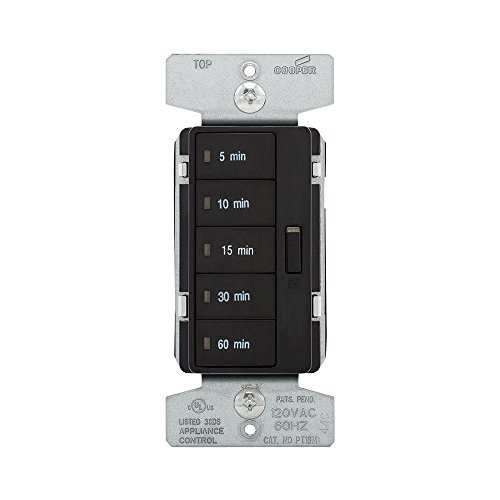
Eaton PT18M-BK 1800W 15 Amp 5-Button Minute Timer with Off Single-Pole, Black
- Default time options: 5/10/15/30/60 minutes
- Automatic shutoff: Turns lights or fan off automatically
- Preset group times: 5 selectable preset durations
As an affiliate, we earn on qualifying purchases.
As an affiliate, we earn on qualifying purchases.
Which timer rating fits your home’s needs? Quick guide
| Application Type | Recommended Timer Rating |
|---|---|
| Standard household lighting, small appliances | 15A |
| Heavier appliances, power tools, kitchen circuits | 20A |
| Garage or workshop circuits with motors | 20A | or higher
Choosing the right rating isn’t just about matching current—it’s about ensuring your equipment operates safely without risking overload. For instance, a 15A timer on a circuit that occasionally hits 20 amps may be pushed to its limits, leading to potential failure. Conversely, a 20A timer on a light circuit that only draws 10 amps might be underutilized, which isn’t harmful but could be more costly. The goal is to select a timer that provides a safe margin for your specific application, considering both current demands and potential future load increases. This careful matching helps prevent overheating, prolongs device lifespan, and ensures compliance with electrical standards.

Intermatic HB113 125 Volt Heavy Duty Plug-in Air Conditioner and Appliance Timer , White
- Heavy-duty plug-in outlet timer: Controls 125V appliances and heaters
- High load capacity: Supports up to 2500 Watts or 1HP motor
- NEMA T-type receptacle: Compatible with 125V and 240V outlets
As an affiliate, we earn on qualifying purchases.
As an affiliate, we earn on qualifying purchases.
What happens if you mismatch the timer and load? Real risks you can’t ignore
Using a timer with a lower amp rating than your device demands can have serious safety implications. For example, plugging a high-powered compressor drawing 18 amps into a 15A timer creates a risk of overheating the contacts. Over time, this can cause the contacts to melt or weld together, leading to potential fire hazards or complete device failure. This not only endangers your property but also poses a risk of personal injury. On the other hand, installing a 20A timer on a circuit that only requires 15A might seem like a safe over-specification, but it can violate electrical codes designed to prevent overcurrent situations. Moreover, it can lead to unnecessary wear on the timer, reducing its lifespan, and may complicate troubleshooting or future upgrades. Understanding these risks emphasizes the importance of correctly matching the timer’s capacity to your load, ensuring safety, compliance, and reliability in your electrical system.
In real-life scenarios, improper matching has resulted in costly damages. For instance, a homeowner used a 15A timer on a garage circuit with a large compressor that drew 20 amps during startup. The timer’s contacts failed prematurely due to overload, requiring replacement and risking a fire. Such incidents highlight why proper matching isn’t just a recommendation but a necessity for safe operation.

HBN Indoor Mini 24-Hour Mechanical Outlet Timer, for Electrical Outlets, 30 Minute Intervals, 3-Prong, 2-Pack, Light Timer for Indoor Lighting, ETL Listed
- Simple Pin Operation: Pins UP for OFF, Pins DOWN for ON
- Versatile Automation: Control lamps, appliances, and holiday lights
- Customizable Schedule: Set up to 24 on/off cycles daily
As an affiliate, we earn on qualifying purchases.
As an affiliate, we earn on qualifying purchases.
How to choose the right timer for your setup — step-by-step
- Identify the maximum current draw of your device or circuit. Check labels or user manuals.
- Compare that number to your timer options. Pick a timer rated at or above your load.
- Ensure the timer’s features match your needs — smart controls, surge protection, etc.
- Have a licensed electrician verify your choice if unsure.
- Install following local electrical codes and safety practices, like turning off power first.
For example, if your refrigerator draws 12 amps, selecting a 15A timer provides a safety margin that accounts for startup surges and minor fluctuations. For larger tools or appliances with higher current demands, choosing a 20A or higher-rated timer ensures your system can handle the load comfortably. Remember, choosing a timer with a higher capacity than your current load offers a buffer that enhances safety, reduces wear, and accommodates future upgrades. This proactive approach minimizes risks of overheating or failure, ensuring your electrical system remains reliable and compliant with safety standards.

SURAIELEC Mechanical Countdown Timer Switch Commercial Style Metal Plate
- Range and Certification: 60-minute range, ETL certified
- Simple Mechanical Operation: No programming, easy to set
- Easy Wall Installation: No ground or neutral wires needed
As an affiliate, we earn on qualifying purchases.
As an affiliate, we earn on qualifying purchases.
Recent trends: smarter, tougher, more reliable timers
Modern timers now come with Wi-Fi, app control, and automation features. These smart timers often support higher currents, making them suitable for today’s energy-hungry devices. They also include safety features like overload protection and surge suppression, so they last longer and reduce hazards.
For example, a homeowner can schedule their outdoor lights to turn on at sunset, even when they’re away. Many smart timers are rated for 20A or more, handling everything from heavy-duty appliances to outdoor equipment. The trend towards robust, connected timers is making home automation safer and more convenient.
From a safety perspective, these advanced timers often incorporate real-time monitoring and alerts for overloads or faults. This means you’re not just relying on the device’s rated capacity but also gaining insights into your electrical system’s health. Such features are especially valuable in preventing overcurrent situations before they cause damage or danger, making modern timers a smart investment in both safety and convenience.
Frequently Asked Questions
Can I use a 15A timer on a 20A circuit?
No, it’s unsafe and against electrical codes. Always match or exceed the circuit’s maximum load with your timer’s rating to prevent overheating or failure.
What happens if I use a timer with a lower amp rating than my load?
The contacts inside the timer can overheat, melt, or cause a fire. It’s critical to choose a timer rated at least equal to your load’s current draw.
Is a 20A timer necessary for my household appliances?
Only if your appliances or circuits draw close to or over 15 amps. For most standard lighting and small devices, a 15A timer is sufficient and compliant.
Are smart timers more reliable than traditional ones?
Smart timers offer greater convenience and features, but they depend on proper installation and network security. Their durability depends on build quality and usage.
How do I know which timer to choose?
Check your circuit’s maximum load, then select a timer rated at or above that number. When unsure, consult a licensed electrician for advice and proper installation.
Conclusion
Choosing the right timer isn’t just about convenience — it’s about safety and longevity. Remember, your home’s electrical system is a delicate balance. Match your load to the timer’s rating, and you keep everything running smoothly without risking a dangerous overload. A simple step like this can save you headaches, repairs, or worse — so keep safety in mind every time you set up a timer.Labor Day sales Picks
labor day deals
As an affiliate, we earn on qualifying purchases.