
TL;DR

Get home appliances delivered free with Prime
- Fast, free delivery on millions of items
- Prime Video, Amazon Music and more included
- Member-only deals all year
Smart plugs offer remote control, automation, and smart home integration, while outlet timers are simple, fixed, and don’t need Wi-Fi. Pick based on how much control and flexibility you want.
Imagine walking into a room where your lamp turns on just as the sunset hits the horizon. That’s the magic of automation, but which device makes that happen? A smart plug or an outlet timer? Understanding their differences can save you money, energy, and frustration. Whether you want simple control or full automation, knowing what each device does helps you make the right choice.
In this guide, we’ll compare their features, ease of use, and practical scenarios. By the end, you’ll see which fits your home best—so you can automate smarter, not harder.
Outlet timers are best for fixed schedules without the need for Wi-Fi or remote control.
Smart plugs offer remote control, automation, and energy monitoring—ideal for flexible smart home setups.
Both devices help save energy, but smart plugs provide more detailed data to optimize power use.
Choose timers for simple, predictable routines; opt for smart plugs when control and integration matter.
Secure your Wi-Fi network when using smart plugs to protect your devices and data.
How Do These Devices Actually Control Your Devices?
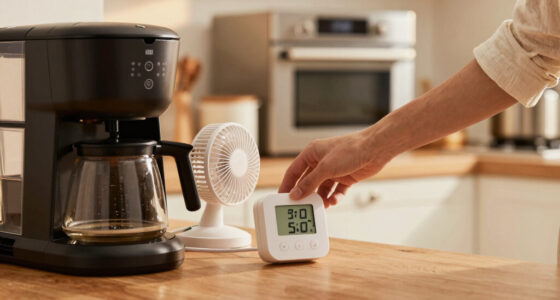
Outlet timers are straightforward. They use mechanical or digital presets to turn devices on or off at specific times. Think of them as a reliable, no-fuss way to schedule your outdoor lights or coffee maker. For example, setting a timer to turn on your porch light at dusk and off at dawn is a classic use.
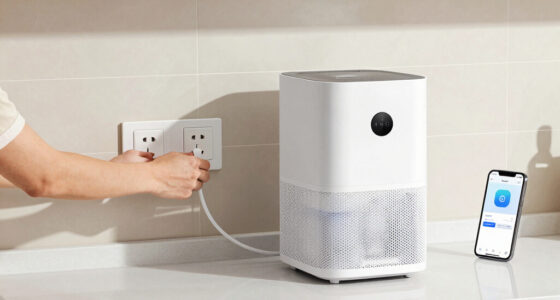
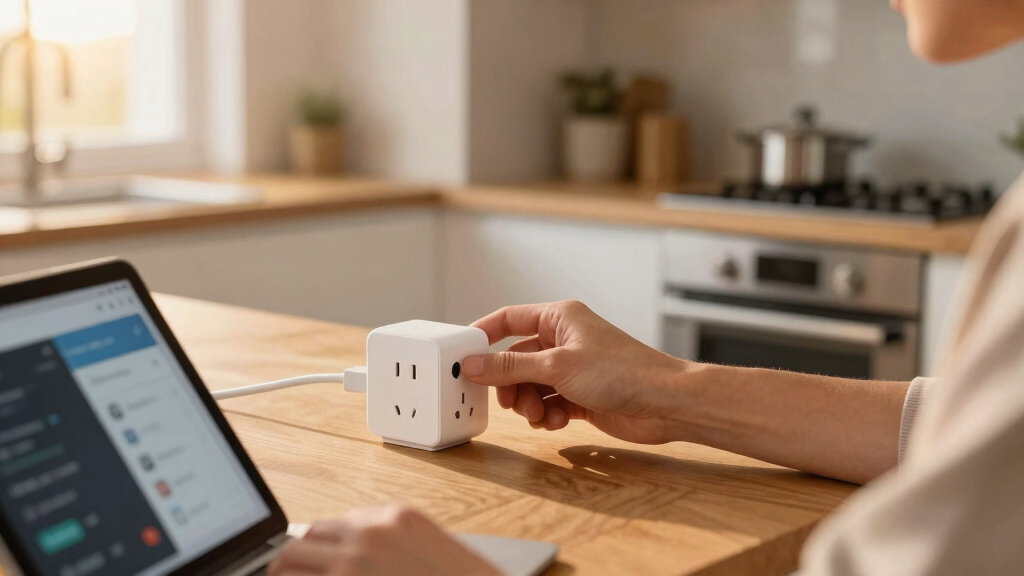
Smart plugs connect to your Wi-Fi network. You control them via smartphone apps, voice commands, or automation routines. Imagine remotely switching off your space heater from work or setting your living room lamp to turn on when your alarm rings—without getting off the couch. Their control is flexible and instant, no matter where you are.
As an affiliate, we earn on qualifying purchases.
Which Is Easier to Set Up and Use Day-to-Day?
If you love simple, plug-and-play solutions, outlet timers win. They often take just a few minutes to program—usually with a dial or digital buttons. For instance, you can set a timer for your outdoor fountain so it runs only during the day, without needing an app or internet.
Smart plugs require a little more initial effort—connect to Wi-Fi, download an app, and link to your smart home ecosystem. Once set up, though, controlling your devices becomes a breeze. You can turn on a fan from your bed or schedule it to run only during certain hours—just with a tap or voice command.
As an affiliate, we earn on qualifying purchases.
Features & Flexibility: What Can These Devices Actually Do?
The differences here are significant because they influence how you can automate and optimize your home. Outlet timers are designed for simplicity—they follow fixed schedules, which means once set, they do not adapt to changing circumstances. This rigidity can be limiting if your routine varies or if you want to respond to real-time conditions. For example, if you forget to set the timer for your outdoor lights, they won’t turn on, potentially leaving your home unlit or wasting energy. This inflexibility may lead to inconvenience or energy inefficiency, especially if your schedule changes unexpectedly.
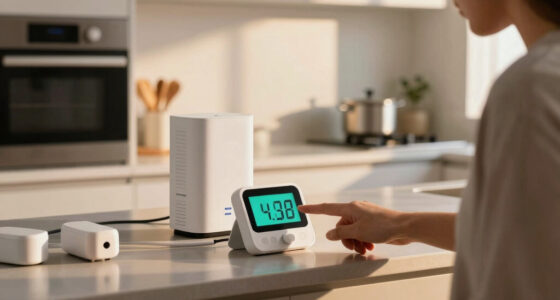
Smart plugs, however, offer a broad range of features that support more nuanced control. They enable you to create complex routines, such as turning on the coffee maker 10 minutes before your alarm or turning off all devices when you leave home. They can monitor energy consumption, helping you identify devices that use excessive power, and support integration with voice assistants for hands-free control. This flexibility allows you to fine-tune your energy use and automate tasks based on your lifestyle, but it also introduces complexity and potential security concerns if not managed properly. The tradeoff is between simplicity and control—while smart plugs offer more options, they require a bit more attention to setup and security.
| Feature | Outlet Timer | Smart Plug |
|---|---|---|
| Control Method | Mechanical/digital preset | Wi-Fi/app/voice |
| Remote Access | No | Yes |
| Automation Routines | Limited or none | Advanced, customizable |
| Energy Monitoring | No | Many include this feature |
| Integration with Smart Home | No | Yes |
Wi-Fi smart plug compatible with Alexa
As an affiliate, we earn on qualifying purchases.
As an affiliate, we earn on qualifying purchases.
Connectivity & Security: What You Need to Know
Outlet timers operate independently, with no internet or app required. They’re safe from hacking but lack remote control. Smart plugs depend on your Wi-Fi network, which means they can be vulnerable if your network isn’t secure. Using strong passwords and keeping firmware updated helps mitigate risks.
If security worries you, a wired outlet timer provides peace of mind. But if you want convenience and flexibility, smart plugs are worth the extra precautions—especially as manufacturers improve security protocols.
digital outlet timer for appliances
As an affiliate, we earn on qualifying purchases.
As an affiliate, we earn on qualifying purchases.
Cost and Value: Which One Saves You More in the Long Run?
Typically, outlet timers are cheaper—some mechanical models cost less than $20. They’re a one-time buy, with no ongoing costs. Smart plugs tend to cost between $25 and $50, but their extra features like energy monitoring and remote control add value.
Think about your needs. If you only want to schedule outdoor lights, a timer might be enough. But if you want to control multiple devices, save energy, and automate routines, a smart plug’s higher price pays off over time.
When Should You Use a Timer vs. a Smart Plug?
If your goal is simple—turning on a device at the same time every day—outlet timers do the trick. They’re reliable and easy to program for fixed routines like outdoor lighting, holiday displays, or irrigation.
For anything requiring flexibility, remote access, or integration into a smart home system, smart plugs excel. Imagine controlling your device from anywhere or creating custom scenes. They’re perfect for busy lives where control is key.
Frequently Asked Questions
Can I use both a smart plug and an outlet timer in the same home?
Absolutely. They complement each other—use timers for fixed routines and smart plugs for flexible control. Combining both can maximize your automation and energy savings.
Are smart plugs safe to leave plugged in all the time?
Yes, most are designed for continuous use, but ensure they are rated for outdoor use if exposed to weather. Keep your Wi-Fi secure and update firmware regularly for safety.
Do smart plugs work with all voice assistants?
Most popular brands support Alexa, Google Assistant, and Siri, but check compatibility before buying. Integration varies, so pick one that matches your ecosystem.
Can outlet timers be programmed for multiple on/off cycles per day?
Some digital models can, but many mechanical timers are limited to one cycle per day. For multiple daily schedules, a programmable digital timer is necessary.
Conclusion
Understanding whether to pick a smart plug or an outlet timer boils down to how much control you want and how complex your routines are. For straightforward schedules, timers are reliable and budget-friendly. For more dynamic control, smart plugs turn your home into a seamless automation hub.
Remember: the right choice makes your home smarter and your life easier. So, which device will you set to automate your routine today?
Halloween Picks
halloween
As an affiliate, we earn on qualifying purchases.