TL;DR
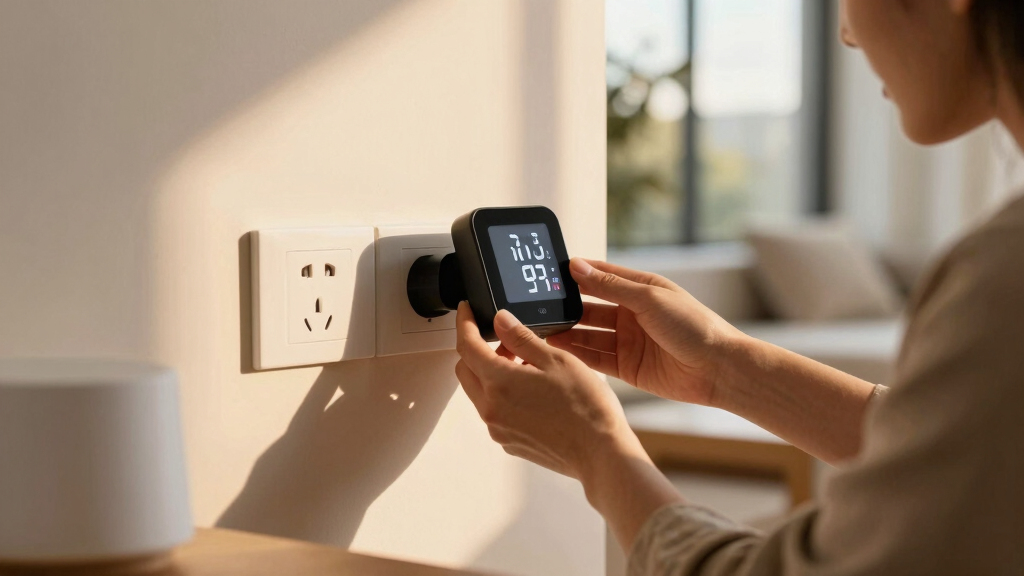
Light timers are a simple, cost-effective way to make your home look occupied and deter burglars while you’re traveling. Modern smart timers offer remote control and varied scheduling, making your home less predictable and safer.
Imagine returning from vacation to find your home untouched, untouched because burglars saw the flickering glow of lamps that looked just like someone was home. That’s the power of a well-timed light schedule. You don’t need high-tech alarm systems or guard dogs—just a few smart or mechanical timers can make your house a less attractive target.
In this guide, you’ll discover how simple light timers are, what types work best, and how to set them up so they mimic real household routines. Whether you’re gone for a weekend or a month, these small devices can give you peace of mind and keep your home safe while you travel.
Using multiple light timers in different rooms creates a realistic home environment and deters burglars.
Varying the on/off schedule and durations reduces predictability, increasing security.
Smart timers add remote control and randomization features, making them ideal for frequent travelers.
Combine lighting with other security measures like cameras and neighborhood watch for best results.
Start setting your timers 3-4 days before leaving to establish a natural, believable routine.
What Are Light Timers and Why Do They Work?
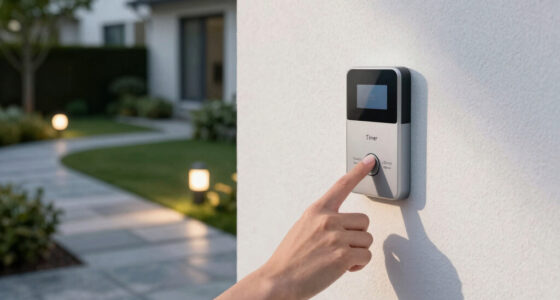
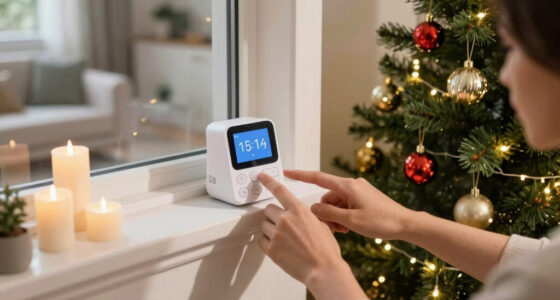
Light timers are devices used to automatically turn lights on and off at scheduled times, creating the illusion someone is home. This works because burglars often rely on patterns and visual cues to identify unoccupied homes. When they see lights flickering on at dusk and off late at night, it suggests the house is actively being inhabited, which can deter them from breaking in. The effectiveness stems from the psychological impact—burglars prefer easy targets that show no signs of activity. By programming lights to mimic natural routines, homeowners can generate uncertainty in intruders’ minds, making them less likely to attempt a break-in. The tradeoff is that poorly set timers can create predictable patterns, so variability and randomness are crucial for maximizing security.
For example, a homeowner heading out for a two-week trip sets a timer to turn on the living room lamp at 6:30 p.m. and off at 11:30 p.m. each night. When neighbors or passersby see this flickering glow, it reinforces the illusion of occupancy. The key is to create a pattern that appears natural and unpredictable, reducing the chances that burglars will recognize it as a timer or automated setup.
Studies show that visible lighting can cut burglaries by up to 30%. When burglars see lights, they often move on, fearing the house is watched or occupied. This simple psychological barrier can be the difference between a safe home and a target for crime.

GE 24‑Hour Mechanical Outlet Timer Switch, Dual Grounded Plug‑in Control for Indoor Lighting, Lamps, Christmas Trees, Fans and Small Appliances (2 Pack), 46211
24-HOUR MECHANICAL TIMER — Automates plug-in lights, seasonal décor, holiday lighting, fans and small appliances with a simple…
As an affiliate, we earn on qualifying purchases.
As an affiliate, we earn on qualifying purchases.
Choosing the Right Light Timer for Your Home
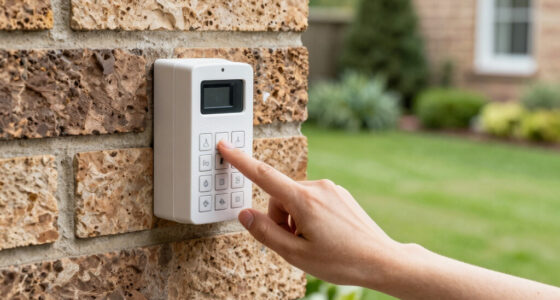
Not all timers are created equal, and understanding their differences is essential because each type offers distinct advantages and tradeoffs. Mechanical timers are straightforward, reliable, and inexpensive, but they lack flexibility. They are ideal for basic on/off schedules and are less prone to technical issues, making them suitable for homeowners who prefer simplicity. Digital timers provide more precise scheduling options, multiple on/off settings, and can often be programmed via digital interfaces, making them more adaptable to varied routines. Smart lighting systems take this further by integrating with your home Wi-Fi, allowing remote adjustments, complex scheduling, randomization features, and even sensor-based activation.
Choosing the right timer depends on your security needs, tech comfort, and budget. Mechanical timers might be sufficient for occasional travelers or those who prefer a set-it-and-forget-it approach. Digital timers are better if you want more control without the complexity of smart tech. Smart timers are optimal for frequent travelers or those who want to add layers of unpredictability to their home security. The tradeoff is that smart timers require a stable Wi-Fi connection and some setup time, but they offer the most advanced features to mimic natural, unpredictable lighting patterns.
For most travelers, a digital timer strikes a good balance between affordability and flexibility. If you want to control your lights from afar and incorporate randomization, investing in a smart timer can provide peace of mind and enhance your home security strategy.
Tip: Place timers in visible areas and ensure they’re plugged into outlets that are accessible but not obvious to passersby. Consider their placement carefully to avoid accidental unplugging or tampering.

DEWENWILS 24 Hour Programmable Digital Timer Outlet, 2 Pack Timers for Electrical Outlets, Light Timer for Indoor Lamp Fan Aquarium, 1 Grounded Outlet, 125V/15A/1000W, 3 Prong, 1/2 HP,White
[3 Group Daily Repeat Program] With 4 buttons, this lamp timer lets you program 3 sets of daily…
As an affiliate, we earn on qualifying purchases.
As an affiliate, we earn on qualifying purchases.
How to Set Your Light Timers for Maximum Security
Getting the timing right is crucial because predictable lighting patterns can become a vulnerability if burglars identify them. The goal is to mimic natural household lighting routines while introducing enough variability to prevent pattern recognition. Here’s a detailed approach:
- Choose multiple rooms—living room, porch, bedroom—to set timers, creating spatial variability that makes your home appear more active and less predictable.
- Set lights to turn on at different times each evening, avoiding a strict schedule. For example, turn on the porch light at 7 p.m. on odd days and at 6:45 p.m. on even days to create a subtle variation.
- Vary on/off durations—some lights stay on longer, others flicker briefly—adding further randomness that mimics real household activity patterns.
- Adjust timing every few days or week to prevent burglars from recognizing a consistent pattern. Small changes over time reinforce the illusion of natural occupancy.
- Combine timers with other security measures like cameras or alarms for layered protection. The effectiveness increases when lighting is part of a comprehensive security plan.
For example, a house might turn on the porch light at 7 p.m. on odd days and at 6:45 p.m. on even days, with some bedroom lights turning on at different times. This creates a lively, unpredictable environment that discourages intrusion.
Tip: If you have smart timers, utilize their randomization features or create varied schedules to make your lighting patterns less predictable. The key is variability that mimics real human behavior.
GE 24‑Hour Mechanical Outlet Timer Switch, Dual Grounded Plug‑in Control for Indoor Lighting, Lamps, Christmas Trees, Fans and Small Appliances (2 Pack), 46211
24-HOUR MECHANICAL TIMER — Automates plug-in lights, seasonal décor, holiday lighting, fans and small appliances with a simple…
As an affiliate, we earn on qualifying purchases.
As an affiliate, we earn on qualifying purchases.
Smart Lighting vs. Traditional Timers — Which Is Better?
Smart lighting offers significant advantages for home security, especially for frequent travelers. The remote control feature allows you to adjust schedules from anywhere, providing flexibility if your plans change unexpectedly. Custom schedules and sensors that turn lights on when motion is detected add layers of security that static timers cannot match. Traditional timers, however, excel in reliability and simplicity—they require no Wi-Fi, are generally more durable, and are less susceptible to hacking or technical failures. The tradeoff is that traditional timers lack the advanced features that can make your lighting patterns more natural and unpredictable. The choice depends on your tech comfort level, budget, and security needs. For example, if you’re away frequently and want the ability to modify schedules remotely or incorporate randomization, smart timers are the better choice. Conversely, if you prefer a straightforward setup without dependency on internet connectivity, basic timers still provide effective deterrence, especially when combined with other security measures.
Here’s a detailed comparison:
| Feature | Traditional Timers | Smart Timers |
|---|---|---|
| Remote Control | No | Yes, via app |
| Scheduling Flexibility | Limited to set times | Highly customizable, including randomization |
| Randomization | Generally unavailable | Available, making patterns less predictable |
| Installation | Plug into outlets, no Wi-Fi needed | Requires Wi-Fi setup and app configuration |
Ultimately, the best choice depends on your specific circumstances. If you want maximum control and adaptability, smart timers are ideal. If you prioritize simplicity and reliability, traditional timers still serve their purpose well. Combining timers with other security measures enhances overall effectiveness regardless of the type you choose.
GE 24‑Hour Mechanical Outlet Timer Switch, Dual Grounded Plug‑in Control for Indoor Lighting, Lamps, Christmas Trees, Fans and Small Appliances (2 Pack), 46211
24-HOUR MECHANICAL TIMER — Automates plug-in lights, seasonal décor, holiday lighting, fans and small appliances with a simple…
As an affiliate, we earn on qualifying purchases.
As an affiliate, we earn on qualifying purchases.
Other Tips to Make Your House Look Occupied While Away
While light timers are a powerful tool, combining them with other tactics can significantly enhance your home’s perceived activity and security. For instance, using different lighting setups—such as a lamp in the living room, porch lights, and bedroom lamps—creates a layered lighting environment that appears more natural. Slightly opening curtains or varying window coverings can add to the illusion of occupancy, especially if combined with lighting changes. Additionally, stopping mail and package deliveries or asking a neighbor to collect them prevents obvious signs of absence. Setting timers to turn on radios or TVs at irregular intervals adds auditory cues of activity, further deterring intruders. Lastly, asking a trusted friend or neighbor to check in periodically, or even park a car in the driveway randomly, can reinforce the impression that the house is actively monitored. These small but strategic actions, when combined with lighting strategies, create a comprehensive security approach that makes your home a less tempting target.
For example, a homeowner leaving for a week might set multiple timers for different rooms, keep the curtains slightly open to suggest ongoing activity, and ask a neighbor to keep an eye on the property. These combined efforts effectively create a lively, monitored environment that discourages burglars from targeting your home.
When to Start Setting Your Timers Before Traveling
Setting your timers at least 3-4 days before departure is crucial because it establishes a natural, believable routine that mimics everyday household activity. If timers are set too suddenly or not at all, the house may appear unoccupied or suspicious, increasing the risk of detection by burglars. By starting early, you give yourself time to fine-tune the schedules, ensuring they align with typical household patterns—such as lights turning on and off at usual times. This gradual approach also allows you to observe the system’s performance and make adjustments as needed, avoiding the appearance of mechanical, repetitive patterns that could be exploited. For example, if you’re leaving on a Saturday, begin the routines on Wednesday or Thursday, and test the setup for a day or two. Not only does this help create a seamless visual narrative, but it also reduces the chances of accidental detection or malfunction during your absence.
Tip: Keep a record of your schedule and make small adjustments over time to better mimic real living patterns. The goal is to make your home’s activity look natural and unforced, deterring intruders from considering it an easy target.
Frequently Asked Questions
Do light timers really prevent burglaries?
Yes, studies show that well-programmed lighting can reduce burglary risk by up to 30%. When a house appears occupied, burglars often move on, fearing the place is monitored.
What type of timer should I choose?
It depends on your needs. Mechanical timers are simple and reliable, while smart timers offer remote control and advanced features like randomization. Consider your budget and tech comfort level.
How should I set my timers while traveling?
Vary the on/off times, use multiple timers in different rooms, and avoid sticking to the same pattern. This unpredictability makes your home look naturally occupied.
Can I control smart timers remotely?
Yes, most smart timers connect to your Wi-Fi and can be managed via smartphone apps from anywhere, giving you full control over your lighting schedule.
Are there security risks with smart lighting systems?
While generally secure, choose reputable brands, keep firmware updated, and secure your Wi-Fi network. Avoid exposing your smart devices to vulnerabilities that hackers could exploit.
Conclusion
Small, smart lighting tweaks can turn your empty house into a fortress that keeps burglars guessing. The real secret: unpredictability. Mix schedules, vary lights, and stay one step ahead.
Next time you travel, picture your home as a lively, watched house—without lifting a finger. Your peace of mind is just a timer away.