TL;DR
Open a free Amazon Business account
Business pricing, bulk buying and tax-exempt orders.
Create a free accountAs an affiliate, we earn on qualifying purchases.
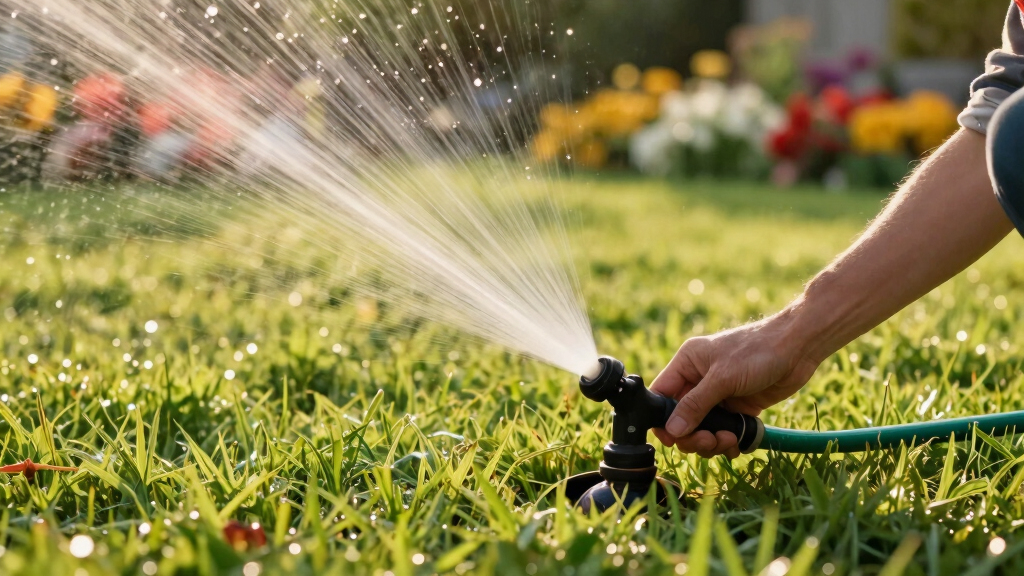
Your sprinkler schedule should change with the seasons. In summer, water deeply once or twice a week; in spring and fall, reduce frequency; winter may mean very little or none at all, especially in colder climates. Smart watering depends on weather, soil, and plant needs.
Imagine your lawn as a living, breathing part of your home. It needs just the right amount of water to stay healthy, lush, and green. But watering isn’t a set-it-and-forget-it task—your schedule should shift with the seasons. If you ignore this, you risk wasting water or leaving your plants thirsty.
In this guide, you’ll learn exactly how long and how often to run your sprinklers during each season. Whether you’re using simple timers or smart controllers, understanding these patterns will help you save water, cut bills, and keep your yard thriving all year.
Adjust your sprinkler schedule with the seasons—more during summer, less in fall and winter.
Deep, infrequent watering encourages stronger roots and drought resilience.
Early morning is the best time to water, reducing evaporation and disease risk.
Use weather data and smart controllers to optimize watering without waste.
Always listen to your soil and plants—they’re your best guides.
Why Seasonal Changes Matter for Your Sprinkler Schedule
Your lawn’s watering needs are a living thing—shaped by the weather, soil, and plant type. In spring, as the ground warms and plants wake up, watering needs start to climb. Summer hits the peak, demanding more water, especially during heatwaves. Fall cools things down, and your lawn prepares for winter dormancy. In winter, especially in colder zones, watering becomes minimal or unnecessary.
Understanding these seasonal shifts is crucial because it directly impacts water efficiency and plant health. For example, overwatering in summer can lead to shallow roots, making your lawn more susceptible to drought stress later. Conversely, under-watering in spring may cause early plant stress, weakening roots before the heat arrives. Recognizing these patterns allows you to tailor your watering to optimize root development, disease prevention, and drought resilience. The tradeoff lies in balancing sufficient moisture to promote growth without encouraging fungal diseases or wasting water. Properly timed adjustments help you avoid these pitfalls, ensuring your lawn is both healthy and sustainable year-round.

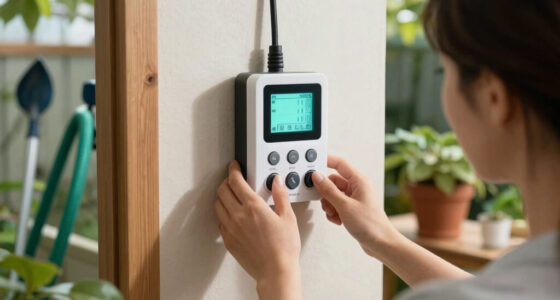
Orbit B-hyve Indoor Smart Sprinkler Controller – 8-Zone – WiFi Irrigation Controller – App Controlled Irrigation with Weather Adjustment – Easy Installation Smart Home Ready Device – 57925
- Smart Irrigation Control: Control irrigation remotely via WiFi
- Automated Watering: Supports multiple methods and custom programs
- Multi-Zone Management: Independent scheduling for different zones
As an affiliate, we earn on qualifying purchases.
As an affiliate, we earn on qualifying purchases.
How to Adjust Your Sprinkler Duration and Frequency Each Season
- Spring: Increase watering gradually as temperatures rise. Aim for 1 inch per week, split into 2 sessions. This gradual increase allows roots to develop deeper and prepares your lawn for the hotter months. Rushing into heavy watering too early can lead to water runoff and shallow root growth, which weakens your lawn’s drought resistance.
- Summer: Water deeply once or twice a week, about 30 minutes per zone, to reach around 1.5 inches. Deep, infrequent watering encourages roots to grow downwards, making your lawn more resilient to drought and heat stress. Using rain sensors prevents unnecessary watering during rain, which not only conserves water but also prevents soil saturation that can lead to fungal diseases or root rot.
- Fall: Reduce frequency. Cut watering to once every 10-14 days as temperatures fall below 60°F. This helps your lawn enter dormancy gradually without drying out completely, which could cause winter damage. Keeping soil moist but not soggy also prevents disease and encourages healthy root development for the next growing season.
- Winter: In colder climates, shut down sprinklers altogether to prevent ice damage and water wastage. In milder zones, water sparingly—perhaps once every 3-4 weeks—only if the air is dry and plants seem stressed. Overwatering in winter can lead to root diseases and fungus, especially when the ground is frozen or saturated. The key is understanding that less is more, and timing is critical to avoid these issues.
Adjustments depend on your soil type and plant needs. Sandy soils drain faster, needing more frequent watering to prevent drought stress. Clay soils retain moisture longer, so watering can be less frequent but perhaps longer in duration. Recognizing these tradeoffs helps you fine-tune your schedule for optimal plant health and water conservation.

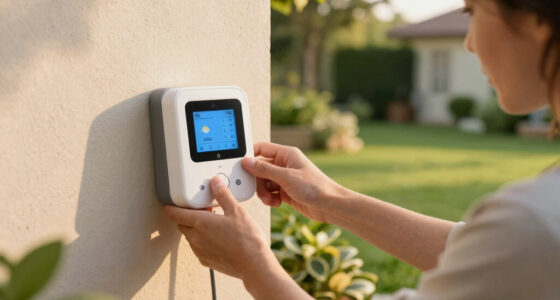
Orbit Programmable Digital Hose Watering Timer – 1 Outlet – Battery Powered – with LCD Screen – Built-in Rain Delay – Water-Resistant – 62061
- Automatic Watering Control: Transforms faucet into automatic system
- Water-Saving Scheduling: Adjustable watering durations for efficiency
- Easy Digital Programming: LCD screen for simple setup
As an affiliate, we earn on qualifying purchases.
As an affiliate, we earn on qualifying purchases.
Comparing Seasonal Watering Needs (Spring, Summer, Fall, Winter)
| Season | Frequency | Duration per Session | Watering Goal |
|---|---|---|---|
| Spring | Once every 4-7 days | 20-30 minutes | Gradually increase to about 1 inch/week |
| Summer | Once or twice weekly | 30-40 minutes | Maintain 1.5 inches/week, deep watering |
| Fall | Every 10-14 days | 15-20 minutes | Keep soil moist, prepare for dormancy |
| Winter | Minimal or none | N/A | Very little or none, depending on climate |
This table makes it easier to see how your watering should shift month by month, helping you avoid over- or under-watering.
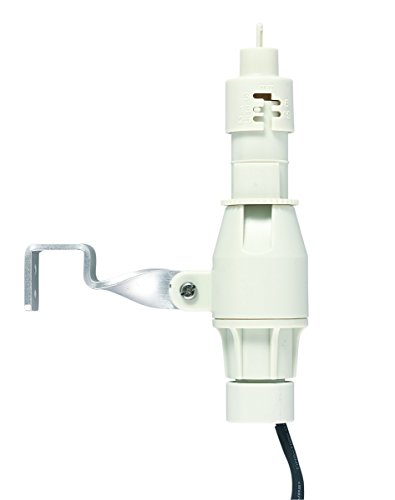
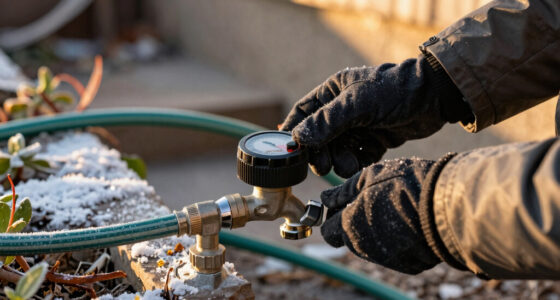
Orbit Rain and Freeze Sensor for Sprinkler Controllers – 57069
- Detects Rain and Freeze Conditions: Automatically detects rainfall or low temperatures
- Weather-Resistant Wiring: Durable wire runs from controller to outdoor area
- Water-Absorbing Disks: Expand when wet to suspend watering
As an affiliate, we earn on qualifying purchases.
As an affiliate, we earn on qualifying purchases.
The Best Time of Day to Water to Maximize Effectiveness
The ideal time to water your lawn is early morning, between 4 and 6 a.m. The cool air and calm winds mean less evaporation, so your plants get more moisture. Watering in the evening can lead to fungal issues, especially if grass stays damp overnight.
For example, if you set your timer to start at dawn, your lawn drinks deeply while the world is quiet. It’s like giving your plants a fresh drink just as they wake up.
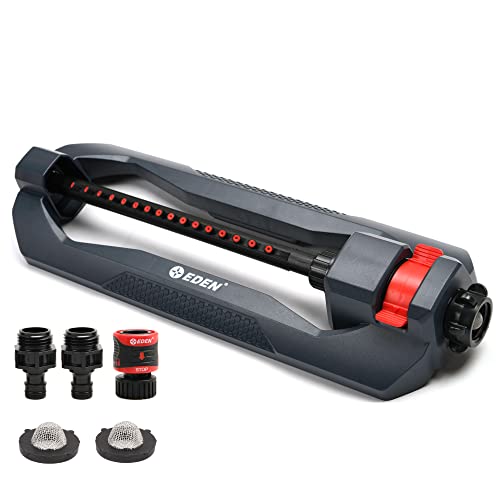
Eden 96213EDAMZ Weighted Essential Oscillating Sprinkler | Covers Up to 3,600 sq. ft., 16 Precision Nozzles, Adjustable Range, Turbo Drive Motor, Quick Connect Bundle, Stainless Steel Filters, Black
- Nozzles: 16 precision nozzles for even coverage
- Coverage Area: Covers up to 3,600 sq. ft.
- Adjustable Range: Customizable watering range
As an affiliate, we earn on qualifying purchases.
As an affiliate, we earn on qualifying purchases.
How to Use Weather Data and Smart Technology to Fine-Tune Your Schedule
Smart controllers and weather sensors are game-changers. They adjust watering based on rainfall, humidity, and temperature. For example, during a rainy week, your system might skip watering entirely, saving water and money. An anonymous researcher notes that smart irrigation can reduce water use by up to 30%.
Set your system to receive weather updates, and it will automatically skip or adjust watering times, ensuring your lawn gets what it needs without waste.
Common Mistakes and How to Avoid Wasting Water
Overwatering is the biggest mistake homeowners make. It leads to shallow roots and fungal diseases. Underwatering stresses plants and causes brown patches. Always check soil moisture—soggy or dry patches are signs you need to tweak your schedule.
For example, if your lawn is soggy two days after watering, cut back. If it’s wilting in mid-summer, increase or extend watering sessions.
Using timers and sensors helps avoid these pitfalls. Regularly inspect your yard to catch problems early.
When in Doubt, Rely on Soil and Plant Cues
Pay attention to your yard’s signals. Soil that feels dry below the surface or plants that wilt indicate you should water. Conversely, soggy soil or fungal spots mean you’re overdoing it. Adjust your schedule based on these real-time clues.
For example, during a heatwave, you might need to water more often—your plants will tell you. After a heavy rain, give it a break.
Frequently Asked Questions
How often should I water my lawn in summer?
During hot summer months, watering once or twice a week for about 30-40 minutes per zone usually hits the sweet spot. This deep watering encourages strong roots and drought resistance. Adjust based on rainfall and soil type.
Can I automate my sprinkler system to change with the seasons?
Yes, using smart controllers and rain sensors makes seasonal adjustments effortless. These systems automatically skip watering during rain or reduce frequency as temperatures cool, saving you water and hassle.
How do I know if I’m overwatering or underwatering?
Check your soil—soggy, muddy soil signals overwatering. Dry, brown patches or wilting plants point to underwatering. Regularly inspecting your yard helps you fine-tune your schedule for healthy, resilient plants.
What if I don’t have a sprinkler timer? How can I still water seasonally?
You can manually adjust your watering times based on the season. Keep a simple calendar or notes to remind yourself to water less in fall and winter, and more during summer heatwaves.
How does climate change influence watering needs?
Changing weather patterns mean more droughts and unpredictable rain. You’ll need to be more flexible, using weather data and sensors to adapt your watering schedule on the fly, conserving water and protecting your yard.
Conclusion
Your lawn isn’t a set-it-and-forget-it thing. It’s a living part of your home that needs your attention, especially as seasons change. By tweaking your sprinkler times and durations, you keep your landscape lush while saving water and money.
Remember, a well-timed watering routine is like a good conversation with your yard—short, deep, and just enough to keep everything thriving. Step outside, listen to your plants, and adjust accordingly. That’s real lawn care.
Labor Day sales Picks
labor day deals
As an affiliate, we earn on qualifying purchases.