TL;DR

Get home appliances delivered free with Prime
- Fast, free delivery on millions of items
- Prime Video, Amazon Music and more included
- Member-only deals all year
Pool timer freeze protection automatically activates heating or circulation to prevent water from freezing, avoiding costly damage. It’s essential for extending your pool’s lifespan and maintaining safe operation during cold snaps.
Proper freeze protection can prevent thousands of dollars in repair costs by stopping water from freezing inside pipes and equipment.
Choose the right system based on your climate—built-in timers, external sensors, or heaters—and consider energy efficiency.
Regular testing and maintenance of sensors and controls are essential for reliable freeze protection.
Smart pool systems offer remote monitoring and more precise control, reducing energy waste and increasing peace of mind.
Understanding how your freeze protection works helps you troubleshoot issues and ensures your pool stays safe during winter.
What Is Pool Timer Freeze Protection and How Does It Keep Your Pool Safe?
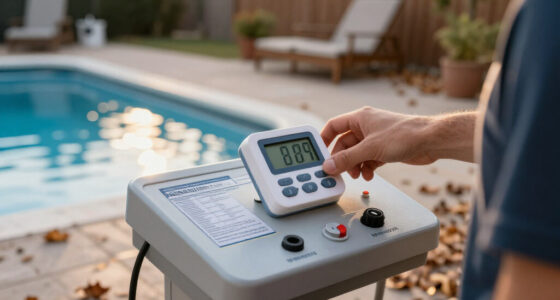
Pool timer freeze protection is a system designed to prevent the water inside your pool’s pipes and equipment from freezing during cold weather. It does this by actively maintaining water movement or heat, which are critical in avoiding ice formation. When temperatures fall below a certain threshold, typically around 38°F or 3°C, the system triggers your pump or heater to operate in a way that keeps water flowing or warm enough to stay liquid. This is crucial because stagnant water is more prone to freezing, and frozen water expands, exerting pressure on pipes and equipment that can lead to costly cracks or breaks. By ensuring continuous or periodic circulation, freeze protection systems reduce the risk of such damage, preserving the integrity of your pool infrastructure. This proactive measure can mean the difference between a simple winter shutdown and a costly repair bill due to burst pipes or damaged equipment.
Deeply understanding this core function reveals why it’s so vital: stagnant water, especially in pipes and equipment that are poorly insulated or exposed to cold air, can freeze quickly and cause catastrophic failures. The system’s role isn’t just about preventing inconvenience; it’s about safeguarding the entire plumbing network and equipment inside your pool system. The tradeoff often involves balancing energy consumption with protection—running pumps or heaters more frequently may increase utility bills, but it can save thousands in repairs. Properly calibrated freeze protection ensures you’re not overusing energy while still maintaining effective defense against freezing conditions. In essence, these systems act as a preventive shield, reducing the risk of water expansion damage that can compromise your pool’s structure and functionality for years to come.
As an affiliate, we earn on qualifying purchases.
The Main Types of Freeze Protection Systems — Which One Fits Your Climate?
Protecting your pool from freezing damage involves choosing a system that aligns with your local climate, pool setup, and budget. Each type has tradeoffs in terms of complexity, cost, and energy use, which influence their suitability for different situations. Built-in freeze modes in timers are convenient, offering automatic activation without extra equipment, but may lack customization for extreme conditions. External sensors and controllers provide more precise control and can be tailored to specific needs, which is especially beneficial in climates with unpredictable cold snaps. Heaters and solar covers are more about maintaining a consistent water temperature, but they may be less effective during prolonged deep freezes unless paired with circulation systems. The choice impacts not only your initial investment but also ongoing energy costs and maintenance needs. For example, a mild climate might only require a simple timer setting, while harsher environments benefit from advanced sensors and hybrid systems that adapt dynamically to weather changes. Understanding these differences helps you make an informed decision that balances safety, efficiency, and budget, ultimately protecting your pool and extending its lifespan.
It’s important to recognize that each system’s effectiveness hinges on understanding your specific climate and pool characteristics. For instance, in areas with frequent sub-freezing temperatures, relying solely on a basic timer may be insufficient, leaving your pool vulnerable. Conversely, investing in advanced sensors or hybrid systems might involve higher upfront costs but can significantly reduce energy waste and provide peace of mind. The tradeoff often involves balancing initial investment against long-term savings and risk mitigation. For example, a solar cover may be cost-effective in mild climates but less so in colder regions where supplemental heating or more sophisticated controls are necessary. By understanding these tradeoffs, you can select a system that not only fits your current needs but also adapts to changing weather patterns, ensuring your pool remains protected without unnecessary expense or complexity.
automatic pool heater with freeze protection
As an affiliate, we earn on qualifying purchases.
As an affiliate, we earn on qualifying purchases.
How to Set Up Your Freeze Protection System — Step-by-Step
- Check your current timer or control system to see if it includes a freeze mode or sensor input. Understanding your existing setup helps determine if upgrades are needed.
- If missing, consider installing a dedicated freeze sensor or external controller. These devices offer more reliable and precise protection, especially in variable winter conditions.
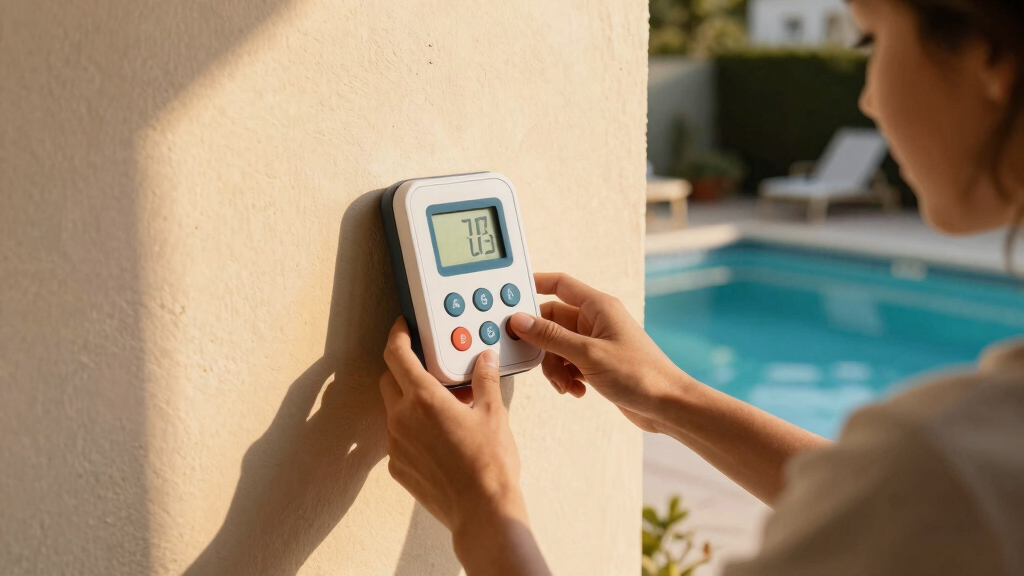
- Set the temperature threshold—most systems activate around 38°F. Proper calibration ensures the system responds at the right moment, preventing unnecessary operation or missed freezes.
- Test the system before a cold snap by manually triggering the sensors or adjusting the thermostat to simulate cold conditions. This step verifies that your system will activate when needed, avoiding surprises during an actual freeze.
- Regularly inspect sensors, wiring, and connections for dirt, corrosion, or damage. Proper maintenance ensures consistent operation and can catch issues that might cause failure during critical times.
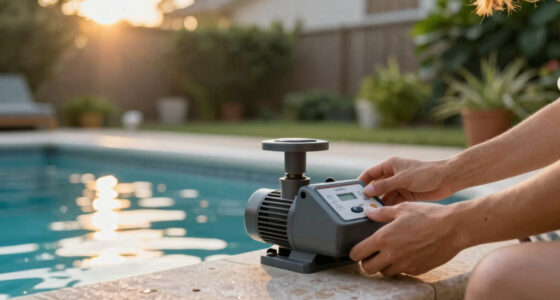
For example, installing a sensor in your pump area allows you to set the system to activate at 38°F. Running a test during a chilly night helps confirm the system’s responsiveness. Proper setup and calibration are crucial, because even a slight misplacement or dirt buildup can delay activation, leaving your pool vulnerable. If you’re unsure about electrical or plumbing work, hiring a professional ensures safety and correct calibration, reducing the risk of system failure when it matters most. Investing time in proper setup not only guarantees effective protection but also extends the lifespan of your equipment by preventing freeze-related damages that often occur due to improper installation or maintenance lapses.
pool temperature sensor for freeze protection
As an affiliate, we earn on qualifying purchases.
As an affiliate, we earn on qualifying purchases.
Why Proper Freeze Protection Saves You Big Bucks
Water expands when it freezes—up to 9% of its volume—which can exert tremendous pressure on pipes, filters, and pumps. This expansion can cause cracks, leaks, or even complete breakage, leading to costly repairs and replacement. For instance, a burst pipe might cost over $2,500 to fix, factoring in labor, parts, and potential water damage. Installing a freeze protection system acts as a safeguard, preventing water from freezing in the first place. By keeping water moving or warm, these systems reduce the likelihood of ice formation, thereby avoiding these expensive repairs. Moreover, ignoring proper freeze protection can void warranties on pool equipment, as manufacturers often require proof of winterization measures. This not only protects your investment but also ensures that your pool remains operational and safe through winter, avoiding emergency repairs that can be both costly and disruptive. In essence, investing in reliable freeze protection is a form of insurance—paying a small upfront cost now to avoid potentially devastating expenses later—making it a prudent long-term strategy.
Failing to implement adequate freeze protection can lead to a cascade of issues, from damaged pipes to compromised equipment, which might require extensive repairs or replacements. These costs are often far beyond the initial investment in a freeze protection system, and the inconvenience of pool downtime can be significant. Properly chosen and maintained freeze protection not only preserves your pool’s structural integrity but also minimizes unexpected expenses, offering peace of mind during winter months. It’s a strategic investment that prioritizes durability and cost-efficiency, ultimately saving you money and stress in the long run.
As an affiliate, we earn on qualifying purchases.
Smart Tech and Trends Making Freeze Protection Smarter Than Ever
New technological advancements are transforming freeze protection from simple timers to sophisticated, energy-efficient systems. Smart pool systems now connect via Wi-Fi, allowing remote monitoring and control—meaning you can verify your system’s status from anywhere, even if you’re away on a weekend trip. These systems can send alerts if something isn’t functioning correctly, giving you peace of mind. Additionally, advanced sensors can distinguish between brief cold spells and prolonged freezes, enabling your system to adapt dynamically, reducing unnecessary energy consumption. Hybrid systems combine solar heat with traditional heating methods, offering eco-friendly, cost-effective protection that minimizes environmental impact and bills. For example, a smart controller integrated with weather forecasts can preemptively activate your heater early in the morning if a cold front is approaching, preventing ice formation without wasting energy during mild weather periods. These innovations not only enhance reliability but also promote sustainable, cost-effective pool management, making freeze protection more accessible, efficient, and convenient than ever.
Integrating emerging tech into your freeze protection strategy means you can optimize energy use, respond promptly to weather changes, and potentially extend the lifespan of your equipment. The trend toward automation and remote control empowers pool owners to maintain safety with less effort and lower operational costs. As these technologies become more affordable and user-friendly, they are revolutionizing how we safeguard pools, making advanced protection accessible even for smaller setups. Embracing these innovations ensures your pool is protected with cutting-edge solutions that are as reliable as they are efficient, giving you peace of mind and savings during the coldest months.
Signs Your Freeze Protection Isn’t Doing Its Job — What to Watch For
If your system isn’t functioning properly, you might notice your pump doesn’t activate during cold nights, or you see frost or cracks forming on pipes. A common culprit is dirty or misaligned sensors, which can give false readings, leaving your pool unprotected during critical times. For example, if your timer’s freeze mode was set but the pump remains inactive during a freeze, inspect the sensor’s wiring and calibration—incorrect placement or dirt buildup can impair detection. Unusual noises from your pump, such as gurgling, knocking, or humming, can indicate freezing or pressure issues caused by ice blockage or malfunctioning components. Regular maintenance, including sensor cleaning and system testing, is essential to ensure your freeze protection works when needed. If you notice persistent issues, consulting a professional can help diagnose and fix underlying problems before a freeze causes damage, saving you from costly repairs and pool downtime. Recognizing these warning signs early can prevent severe damage, and routine checks can help identify issues before they escalate, ultimately saving you significant repair costs and hassle.
Frequently Asked Questions
How do I know if my pool has freeze protection?
Check your control panel or timer for a freeze mode setting, or look for external sensors installed near your equipment. Many modern systems include this feature as standard.Can I install freeze protection myself, or should I hire a professional?
If you’re comfortable with electrical wiring and pool systems, you can install simple sensors or timers. However, for safety and proper calibration, hiring a licensed professional is recommended.What’s the best way to test my freeze protection system before a cold snap?
Simulate a low-temperature condition by manually triggering the sensor or adjusting the thermostat. Observe if the pump or heater activates as expected. Regular testing ensures reliability when it counts.How much does freeze protection equipment typically cost?
Basic sensors and timers can range from $50 to $200, while integrated smart systems and controllers might be $300 or more. Consider the potential repair costs to evaluate value.What maintenance is needed for freeze protection devices?
Regularly inspect sensors and wiring for dirt, corrosion, or damage. Test the system periodically, especially before cold weather arrives, to ensure it functions correctly.Conclusion
Don’t let a cold snap turn into a costly disaster. Installing and maintaining effective freeze protection keeps your pool’s mechanical heart beating through winter’s worst. Think of it as a simple insurance policy that pays off in peace of mind and savings.
Next time the forecast calls for freezing temperatures, imagine your system quietly working in the background, protecting your investment. That’s smart, practical pool ownership at its best.
Halloween Picks
halloween
As an affiliate, we earn on qualifying purchases.