TL;DR
Listen free for 30 days with Audible
Thousands of audiobooks and originals — cancel anytime.
Start your free trialAs an affiliate, we earn on qualifying purchases.
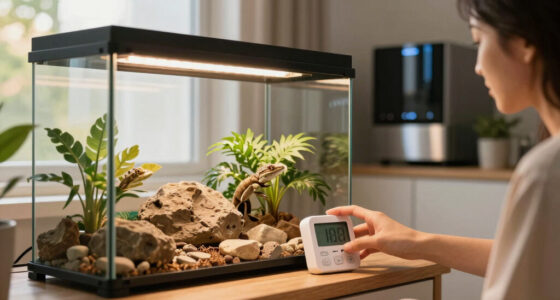
Reptiles need tailored lighting, heating, and humidity schedules. Using timers helps mimic natural conditions, preventing stress and health issues. Recent tech advances make customization easier and more precise.
Imagine your pet basking in a warm glow or curling up in cooler shadows, just like in their natural habitat. Setting up the right timer schedules isn’t just about convenience—it’s about giving your reptiles a healthier, happier life. Whether you own a bearded dragon, a gecko, or a snake, each species has unique needs that demand precise timing for lights, heat, and humidity.
In this guide, you’ll discover what makes each species tick, learn how to set up automated schedules that match their natural rhythms, and explore the latest tech making this easier than ever. Smart timers can turn your reptile enclosure into a miniature climate-controlled paradise—without constant fuss.
Matching timer schedules to each species’ natural habits improves health and behavior.
Use programmable timers with multiple outlets and fade functions for smoother transitions.
Adjust schedules seasonally to mimic natural environmental changes and support breeding.
Smart timers with sensors can dynamically optimize enclosure conditions, reducing your manual effort.
Always monitor your reptile’s response and tweak schedules to keep them thriving.
How to Create the Perfect Lighting and Heating Schedule for Your Bearded Dragon
Bearded dragons thrive on a clear day/night cycle. They need about 12-14 hours of light daily, with a basking spot reaching 95-110°F (35-43°C). At night, temperatures should drop no lower than 65°F (18°C). A timer can help maintain consistent cycles, preventing stress or health issues.
Why does this matter? Consistent lighting and temperature mimic their natural environment, which is crucial for their metabolic health, digestion, and overall well-being. Irregular schedules can lead to stress, weakened immune systems, or metabolic disorders. By automating these cycles, you reduce the risk of human error and ensure your pet’s environment remains stable, even if your schedule changes.
For example, set your LED UVB and basking lights to turn on at 8 a.m., creating a warm, bright morning. Then, turn them off around 10 p.m., allowing a cool-down period. Use a thermostat or a programmable timer to keep the basking spot steady, even if your schedule varies.
Pro tip: Use a high-quality, weatherproof timer with multiple outlets—one for UVB, one for heat, and one for ambient lighting. This way, you can fine-tune each zone independently, mimicking sunrise and sunset, which helps regulate your dragon’s circadian rhythm and reduces stress.
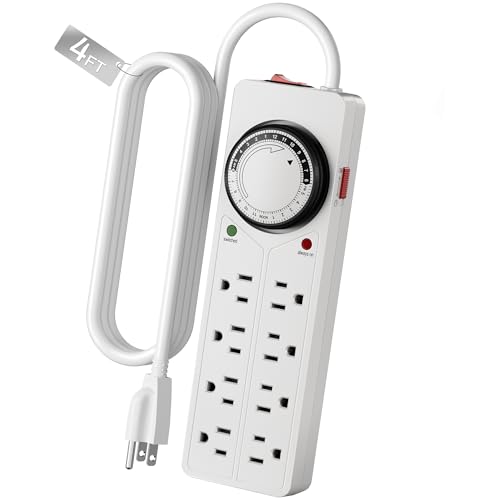
BN-LINK 8 Outlet Surge Protector with Mechanical Timer, 4FT Cord, 1875W/10A
- Updated Black Pins: Easier-to-see pin dial
- 3-Foot Power Cord: Length for flexible placement
- Timer Functionality: 4 outlets controlled by timer
As an affiliate, we earn on qualifying purchases.
As an affiliate, we earn on qualifying purchases.
Design a Nighttime Schedule That Keeps Your Geckos Happy and Safe
Many gecko species, like Leopard Geckos, are nocturnal and have evolved to be active during cooler, darker hours. Providing a proper nighttime environment isn’t just about comfort—it’s vital for their health. Cooler temperatures at night prevent overheating and facilitate natural behaviors like hunting and burrowing, which are essential for mental stimulation and physical health. Using a timer to turn off daytime lights at sunset helps simulate these conditions, but it’s equally important to ensure that the temperature drops gradually to avoid sudden changes that can stress your gecko.
Why is this important? Sudden shifts in temperature or light can cause stress, suppress immune function, and interfere with sleep cycles, leading to health problems over time. A dim red or blue light can help you observe your gecko without disturbing its rest, but it’s best to keep this minimal and timed appropriately.
Tip: Use a timer with a fade function to simulate dawn and dusk, creating a more natural environment and reducing stress during transitions. This gradual change in lighting can help your gecko adjust smoothly, promoting better sleep, appetite, and activity levels.

REPTITRIP Reptile Thermostat, Light Timer for Temperature and Lighting Control, Day-Night Timer Thermostat with Reptile Thermometer for UVB Light, Heat Lamp, Heating Pad, 10A 1250w
- Non-dimmer socket control: On/off at set times and temperature
- Dual socket thermostat: Separate control for lighting and temperature
- Customizable timing programs: Three programmable schedules for Socket S1
As an affiliate, we earn on qualifying purchases.
As an affiliate, we earn on qualifying purchases.
Compare Lighting and Heating Needs of Snakes and How to Automate Them
| Species | Basking Temp | Light Cycle | Night Temp |
|---|---|---|---|
| Snakes | 85-90°F (29-32°C) | 12 hours of light, day/night cycle | Down to 70°F (21°C) |
Snakes require a temperature gradient that allows them to thermoregulate effectively—meaning they move between warmer and cooler zones as needed. Proper automation of these conditions ensures that your snake can access the right temperatures without constant manual adjustments, which is critical for their digestion, shedding, and overall health. If the environment is too uniform or inconsistent, it can cause stress, reduce appetite, or impair shedding. Using a timer paired with a thermostat helps create a stable cycle, ensuring the basking area remains at optimal temperatures during the day and drops appropriately at night, mimicking their natural environment.
For example, a simple programmable thermostat can switch the heat mat on and off, maintaining steady basking and cooler zones. This consistency helps prevent stress and promotes natural behaviors like shedding and hunting. The key tradeoff is balancing automation with regular monitoring—while timers keep conditions consistent, periodic checks ensure your setup is functioning correctly and your snake remains healthy.
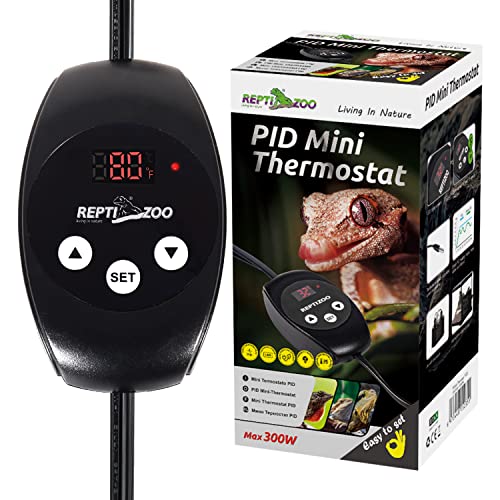
REPTIZOO Dimming Thermostat, PID Temperature Controller with Memory Function, Reptile Thermostat for Reptile Heat lamp, Specifically Designed for Light Heat Bulbs & Heaters
- Accurate Dimming Thermostat: Precise temperature control for heat lamps
- Stable PID Heating Mode: Enhances bulb lifespan and efficiency
- Universal Heater Compatibility: Suitable for heat bulbs and heaters
As an affiliate, we earn on qualifying purchases.
As an affiliate, we earn on qualifying purchases.
Latest Tech That Makes Reptile Timer Schedules Smarter and Easier
Modern timers now come with Wi-Fi connectivity, allowing you to control your enclosure’s environment from anywhere. Some systems let you set complex schedules with gradual dawn/dusk simulations or seasonal adjustments. Environmental sensors can even tweak lighting and heating in real time, based on humidity or temperature readings. This integration is vital because reptiles are highly sensitive to environmental changes, and manual adjustments often lag behind real-time needs, leading to suboptimal conditions.
Why does this matter? These advanced features enable you to respond quickly to unexpected changes—like a sudden cold snap or a power outage—without physically being present. They also allow for more nuanced control, such as mimicking seasonal variations that encourage breeding or natural behaviors, which are difficult to achieve with simple timers. The tradeoff is the higher initial cost and the need for some technical familiarity, but the long-term benefits in maintaining optimal health make it worthwhile.
Tip: Choose timers with multiple outlets, adjustable programs, and compatibility with your smartphone. This flexibility lets you fine-tune conditions as your reptile’s needs evolve, ensuring their environment remains ideal at all times.

TFNN Reptile Heat Lamp, Heat Lamp with Clamp, UVA UVB Reptile Light with Intelligent Cycle Timer for Turtle, Bearded Dragon, Lizard and More, 2 Bulbs 50W+75W
- Wide UVA/B Coverage: Bell-mouth design for broader UV rays
- Adjustable Light & Temperature: Customizable for different seasons and reptiles
- Multiple Timing Modes: 3H/6H/12H cycle with automatic on/off
As an affiliate, we earn on qualifying purchases.
As an affiliate, we earn on qualifying purchases.
Adjusting Schedules Seasonally and as Your Reptile Ages
Reptiles in the wild experience seasonal shifts—longer days in summer, shorter in winter—affecting their breeding cycles, activity levels, and metabolism. Mimicking these changes with your timers isn’t just about environmental accuracy; it can significantly influence your reptile’s health and reproductive success. For instance, increasing daylight hours during breeding season can stimulate hormone production and courtship behaviors, while reducing them afterward can help your pet conserve energy and prepare for hibernation-like states. As your reptile ages, their needs may change—older animals might require slightly cooler temperatures or shorter daylight periods to prevent overheating or stress.
Why is this important? Seasonal adjustments support natural biological rhythms, which are vital for mental stimulation and physical health. If the environment remains static year-round, your reptile might miss out on these natural cues, leading to lethargy or reproductive issues. Automated timers make these seasonal tweaks straightforward—just program different settings for different times of the year, ensuring your pet’s environment aligns with their natural cycle and life stage.
Pro tip: Keep a detailed log of your adjustments and your reptile’s responses. Signs of a healthy response include active behavior, good appetite, and proper shedding. Conversely, lethargy or abnormal behavior might indicate a need to tweak the schedule further.
Frequently Asked Questions
How do I set up a schedule for my bearded dragon’s lighting?
Start with a 12-14 hour light cycle, using a timer to turn on UVB and basking lights in the morning. Set the timer to turn them off at night, then gradually introduce dawn/dusk effects if possible. Adjust based on your pet’s activity and health.
What’s the best way to automate heating for my snake enclosure?
Use a thermostat with a timer to control heat mats or ceramic heaters. Program it for 12 hours of day warmth, then reduce temperature or turn off at night. Make sure to measure basking spots to keep temperatures consistent and safe.
Can I use natural sunlight instead of timers?
Natural sunlight can work but is less predictable and harder to control. If you choose to use it, position enclosures where your reptile gets consistent, direct sunlight during the day, and supplement with timers for cloudy days or winter.
How do I know if my schedule is wrong?
Signs include lethargy, abnormal shedding, or lack of appetite. If your reptile shows these signs, review and adjust the lighting and heating schedule. Regular monitoring helps catch issues early.
Conclusion
Creating tailored timer schedules is like giving your reptile a mini climate that feels just right. It’s a simple step that pays off—healthier, happier pets and less stress for you. Start today, and watch your reptiles thrive in their perfectly timed paradise.
Remember, consistency and attention to their natural rhythms make all the difference. Your reptile’s best days are just a schedule away.
College move-in / dorm season Picks
dorm essentials
As an affiliate, we earn on qualifying purchases.