
TL;DR

Get home appliances delivered free with Prime
- Fast, free delivery on millions of items
- Prime Video, Amazon Music and more included
- Member-only deals all year
Winterizing your hose timer and irrigation controller involves draining water, insulating components, disconnecting power, and timing the process before the first freeze. Modern systems with automatic drainage or weather sensors can simplify this task. Doing it right keeps your system working smoothly for years to come.
When temperatures drop, your irrigation system becomes vulnerable. A frozen hose timer or controller can crack, malfunction, or break, leading to costly repairs or replacements. Yet many homeowners wait too long or skip winterizing altogether.
In this guide, you’ll learn exactly how to winterize your hose timer and irrigation controller—step-by-step—so your system stays safe and ready for spring. With a few simple steps, you can prevent damage and keep your irrigation running smoothly year after year.
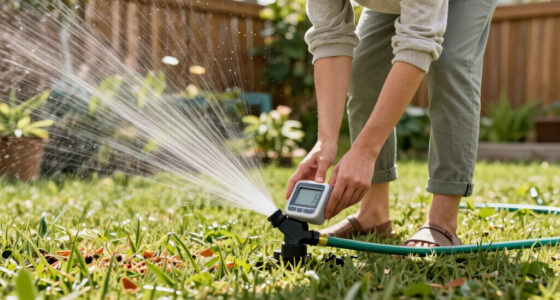
Drain all residual water from hoses, timers, and controllers before the first freeze.
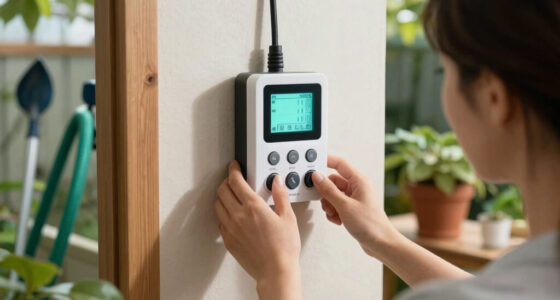
Use insulation covers or wraps for outdoor timers and controllers to block cold air and moisture.
Disconnect power sources and remove batteries to prevent corrosion.
Automatic drainage systems and smart controllers simplify winterization but still require proper setup.
Timing matters: winterize before temperatures drop below 32°F to avoid freeze damage.
Why Protecting Your Timer and Controller from Freezing Matters
Your irrigation timer and controller are delicate electronic devices and mechanical parts. When water inside them freezes, it expands, causing cracks or internal damage that can ruin your system. This expansion can compromise seals, crack plastic housings, or damage internal circuitry, leading to leaks, malfunctions, or total failure.
For example, a homeowner in a region with harsh winters faced a $250 repair bill after neglecting to winterize. The damage was caused by water expansion in the control box, which cracked internal components. Regular protection prevents such costly surprises. Additionally, if water inside pipes or components freezes and expands, it can exert pressure beyond design limits, causing pipes to burst or fittings to crack, which might not be immediately apparent until the system is turned on in spring. Understanding these risks emphasizes why winter protection isn’t just a precaution but a necessary step to prevent hidden damages that can significantly increase repair costs later. Protecting your system ensures longevity, reduces unexpected breakdowns, and preserves the investment you’ve made in your irrigation system.
As an affiliate, we earn on qualifying purchases.
Step-by-Step: How to Drain and Protect Your Hose Timer and Controller
- Turn off your system. Shutting down your controller prevents water from flowing into the system during cold weather, reducing the risk of pressure buildup. This step is crucial because water under pressure can force its way into small cracks or weak points, and if it freezes, the expansion can cause more extensive damage. Properly turning off the system also minimizes the risk of water remaining inside pipes or components that might not drain naturally, which is vital for effective winter protection.
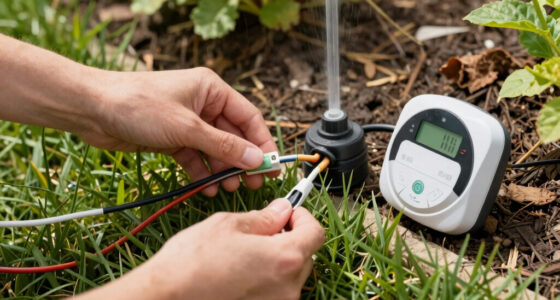
- Disconnect power. Unplugging the system or removing batteries not only prevents electrical shorts caused by moisture but also avoids corrosion that can occur if moisture condenses inside electronics over the winter. This step safeguards the integrity of sensitive components, helping to ensure the system functions correctly when reactivated. Ignoring this step might lead to electrical failures or reduced lifespan of your controllers and timers.
- Drain residual water. If your system has drain valves, open them to allow water to escape, which helps prevent freezing. For units without drain valves, using an air compressor or a blow-out method forces water out of pipes and fittings, significantly reducing residual moisture. This step is critical because standing water in pipes or components can freeze, expand, and cause cracks or pipe bursts, often leading to expensive repairs. The tradeoff involves choosing manual drainage—less costly but labor-intensive—or blow-out methods, which require equipment but offer more thorough removal of water. Proper drainage not only prevents immediate damage but also extends the lifespan of your system components by avoiding freeze-related stress.
- Remove and store components. Detach hoses, timers, and controllers if possible, and store them indoors in a temperature-controlled environment. This prevents residual moisture from freezing and causing cracks. Additionally, indoor storage shields components from UV rays, moisture, and physical damage, which can degrade materials over time. This step requires balancing convenience with protection, as storing components indoors might be less accessible but significantly prolongs their usable life and ensures readiness for the next season.
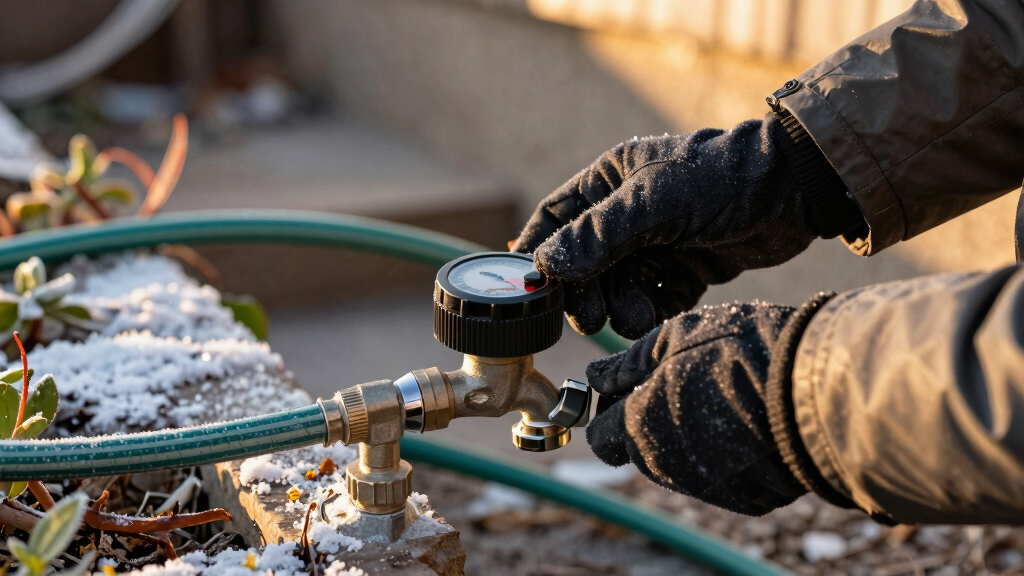
- Insulate outdoor units. Cover controllers and timers with weatherproof insulation wraps or covers to shield from cold air, wind, and moisture. Insulation acts as a barrier, slowing heat loss and preventing rapid temperature drops that can cause freezing. This is especially important in regions with fluctuating temperatures or outdoor locations without heating. Proper insulation reduces the risk of freeze damage and helps maintain the integrity of electronic and mechanical parts over the winter months. The tradeoff involves selecting quality covers versus DIY solutions, but investing in good insulation can save money by preventing damage and reducing repair costs.
- Check for damage. Inspect all components for cracks, leaks, corrosion, or other signs of wear. Addressing small issues now—such as sealing leaks or replacing damaged parts—can prevent worsening conditions over winter. This proactive approach ensures your system remains reliable, avoiding costly failures when you need it most. Ignoring visible damage might lead to system failures or leaks that become more severe after freezing and thawing cycles, ultimately increasing repair costs and downtime in spring.
For example, a homeowner in Maine used a portable air compressor to blow out water from their system, preventing freezing damage during a record cold snap. This proactive step saved them hundreds of dollars in repairs and ensured their system was ready when the weather warmed. The deeper understanding of why thorough drainage and protection matter underscores that investing time and effort now can significantly reduce winter-related risks and costs.
As an affiliate, we earn on qualifying purchases.
Compare Manual Drainage vs. Automatic Drainage Systems
| Feature | Manual Drainage | Automatic Drainage |
|---|---|---|
| Ease of Use | Requires user action, like opening valves or blowing out pipes | Built-in features automatically drain water, reducing manual effort and the chance of human error |
| Cost | Lower initial cost, but labor-intensive and time-consuming | Higher upfront cost but saves time and reduces labor during winterization |
| Effectiveness | Depends on diligent user execution; improper drainage can lead to freeze damage | Consistently effective if properly installed and maintained, minimizing the risk of freezing |
| Best for | DIY homeowners with smaller, simpler systems | Large, complex, or multi-zone systems needing reliable winter protection with minimal effort |
Choosing between manual and automatic drainage involves understanding the implications of each method. Manual systems give you control but depend heavily on diligent user action—if valves aren’t opened or blow-out procedures aren’t performed correctly, water can remain trapped, risking freeze damage. This makes manual drainage more prone to human error, especially in less experienced hands. Automatic systems, though more costly upfront, offer peace of mind by reliably draining water through built-in mechanisms, reducing the chance of oversight. For larger or more complex systems, the added reliability can prevent costly repairs caused by overlooked residual water. Weighing these tradeoffs—cost, effort, risk—helps you select a winterization method that aligns with your system size, budget, and maintenance capacity, ultimately safeguarding your investment from winter freeze damage.
automatic drainage irrigation controller
As an affiliate, we earn on qualifying purchases.
As an affiliate, we earn on qualifying purchases.
Tips for Protecting Modern Smart Controllers and Timers
Smart controllers equipped with weather sensors and remote access features can simplify winterization, but they still require careful handling. Disabling the system via the app or interface stops watering cycles and reduces electrical load, which is essential before storage. Disconnect power sources and, if possible, store the unit indoors in a climate-controlled space to prevent freezing damage. Many smart controllers also have built-in winter protection features, such as automatic shutdown or frost sensors, which can be activated to further safeguard the device. Utilizing these features correctly ensures your smart system remains functional and protected, avoiding costly repairs or replacements. Proper winterization of smart controllers involves understanding their specific features—such as enabling frost protection modes or disconnecting power—and following manufacturer instructions carefully. This not only preserves their electronic components but also ensures seamless operation when watering resumes in spring, avoiding unnecessary downtime or damage caused by neglecting these advanced features.
For example, a homeowner in Colorado used the app to disable their smart controller, then covered it with a foam insulation box. This combination of digital and physical protection prevented freeze damage and ensured the device was ready for spring use. Always consult your manufacturer’s instructions to leverage all available winter protection options and avoid voiding warranties. Properly winterizing smart controllers is an investment in their longevity and functionality, ensuring they serve your irrigation needs reliably year after year.
As an affiliate, we earn on qualifying purchases.
When and Why You Should Hire a Professional
While many homeowners can handle basic winterization, complex or large irrigation systems benefit greatly from professional assistance. Experts use specialized tools like commercial blow-out machines, which can quickly and thoroughly remove water from pipes, valves, and controllers—reducing the risk of freeze damage. These tools ensure that residual water is expelled completely, especially in hard-to-reach areas or multi-zone setups where manual methods might miss pockets of trapped water. Additionally, professionals can identify hidden issues such as minor cracks, corrosion, or improperly functioning valves that might not be obvious to the untrained eye. Addressing these issues before winter prevents them from worsening over time, saving you money and effort in the long run. Investing in professional winterization not only guarantees thorough protection but also provides peace of mind, especially in regions where winter temperatures regularly drop below freezing. Their expertise ensures your entire system is prepared, reducing the likelihood of costly repairs and system failures in spring.
For example, a homeowner in Montana saved themselves a headache and potential thousands of dollars by hiring a professional to winterize a large multi-zone system. The upfront cost of professional service is often offset by the reduced risk of damage and the assurance of proper winter protection, which is particularly valuable in harsh winter regions. The deeper understanding and equipment used by professionals make this a worthwhile investment for those with extensive or complex systems, ensuring your irrigation system emerges unscathed from winter’s worst.
Frequently Asked Questions
When should I winterize my irrigation system?
Winterize your system before the first hard freeze, which varies by region—typically late fall or early winter. Keep an eye on local weather forecasts to time it perfectly.
Can I winterize my system myself, or should I hire a professional?
Many homeowners can handle basic winterization, especially with manual drainage and insulation. However, for large or complex systems, or in very cold climates, hiring a professional ensures thorough protection and peace of mind.
What tools or supplies do I need for winterizing?
Common tools include an air compressor or blow-out kit, drain valves, weatherproof insulation covers, and possibly environmentally safe antifreeze solutions for certain parts. Always follow manufacturer instructions for your specific system.
How do I winterize a smart irrigation controller?
Disable the system through the app or interface, disconnect power, and cover or store the unit indoors. Check the manufacturer’s instructions to avoid damaging electronics or voiding warranties.
Is removing all water from my system really necessary?
Yes. Water left in pipes or controllers can freeze, expand, and cause cracks or damage. Proper draining is essential in regions with harsh winter temperatures.
Conclusion
Winterizing your irrigation system isn’t just about avoiding repairs; it’s about protecting your investment. Taking a few simple steps now can save you hundreds of dollars and hours of frustration later.
Picture your system waking up in spring, ready to water your lawn without a hitch. That’s the reward for a little winter prep—so get started today and keep your irrigation healthy for years to come.
Fall Picks
fall essentials
As an affiliate, we earn on qualifying purchases.