
TL;DR

Get home appliances delivered free with Prime
- Fast, free delivery on millions of items
- Prime Video, Amazon Music and more included
- Member-only deals all year
Salt water pool timers automate the chlorinator and pump, ensuring water stays clean and safe. Proper synchronization boosts efficiency, prolongs equipment life, and reduces manual work. Modern smart systems make this even easier.
Ever noticed how some salt water pools stay crystal clear without much fuss? It’s all about timing. When your chlorinator and pump work in sync, your water stays fresh, clean, and inviting. But if they’re out of step, you might face cloudy water, excessive chemical use, or higher energy bills.
This guide shows you how to set up and coordinate your pool’s timers, whether you’re using simple mechanical models or cutting-edge digital systems. Let’s make your salt water pool smarter, safer, and more efficient—without the headache.
Coordinate your pump and chlorinator timers to run simultaneously for optimal sanitation.
Choose timers rated for outdoor saltwater use—digital models with salt-resistant features are best.
Use smart timers for remote control, automatic adjustments, and more precise scheduling.
Regularly inspect and maintain your timers and electrical connections to prevent corrosion and failures.
Proper timing and maintenance extend your equipment’s lifespan and save you money in the long run.
What Makes a Salt Water Pool Timer So Important?
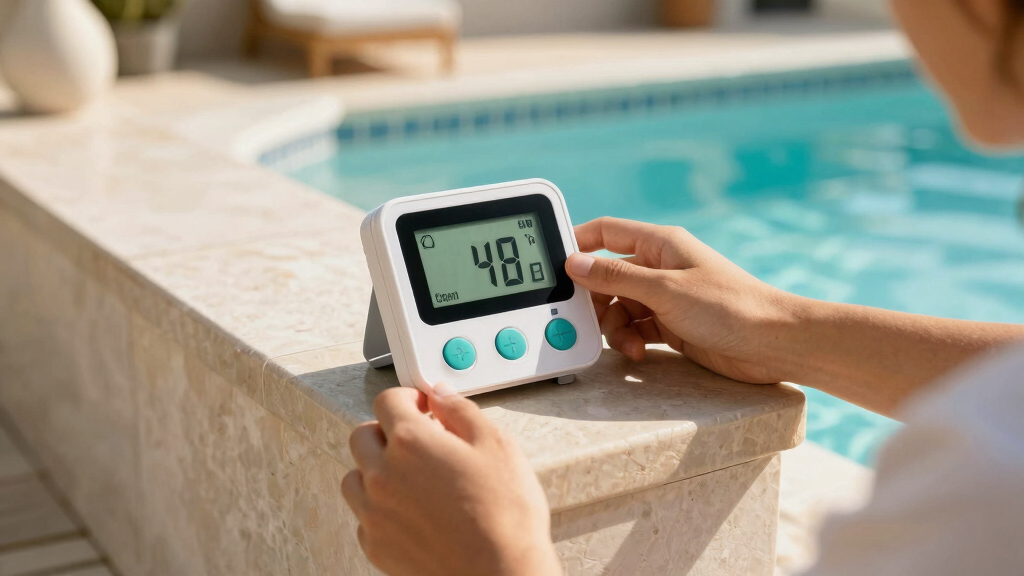
Salt water pool timers are the unsung heroes behind healthy, clear water. They control when your pump circulates water and when your chlorinator produces disinfectant. Proper timing ensures your pool gets enough circulation for sanitation without wasting energy or over-chlorinating.
Imagine your pump running when you’re asleep or at work. That’s smart scheduling. When your chlorinator is active during pump operation, the electrolysis creates just enough chlorine to keep algae and bacteria at bay—no more, no less.
Why this matters: Properly timed operation directly impacts water quality, energy efficiency, and the longevity of your equipment. Running the pump and chlorinator together during optimal hours ensures thorough sanitation, preventing algae growth and bacterial contamination. Conversely, poorly timed operation can lead to uneven chlorine distribution, increased chemical consumption, and unnecessary wear on your system components. The tradeoff is between energy savings and effective sanitation; misaligned timers might save power but risk water quality, while over-extended operation increases costs and equipment stress.
As an affiliate, we earn on qualifying purchases.
Choosing the Right Timer for Your Salt Water Pool
Not all timers are created equal. For salt water pools, durability and precise control are key. Here’s a quick comparison:
| Type | Pros | Cons |
|---|---|---|
| Mechanical | Simple, reliable, low-cost | Less flexible, limited programming |
| Digital (Electronic) | Custom schedules, remote control, multiple cycles | Higher upfront cost, more complex setup |
When selecting a timer, consider how well it withstands the harsh saltwater environment. Saltwater is highly corrosive, and many standard timers can degrade quickly if not rated for outdoor salt exposure. An electronic timer with a dedicated relay and salt-resistant housing often provides more precise control and longer lifespan, reducing the need for frequent replacements. The tradeoff is that these systems are more expensive initially but tend to offer better reliability and automation features that can save time and prevent errors. Always check the timer’s specifications to ensure it can handle the electrical load of your pump and chlorinator, as overloading can cause failures and safety hazards, especially in salt environments where corrosion can compromise connections.
digital pool timer for saltwater pools
As an affiliate, we earn on qualifying purchases.
As an affiliate, we earn on qualifying purchases.
How to Set Up and Synchronize Your Chlorinator and Pump Timers
Getting your timers to work together isn’t rocket science, but it does take some planning. Follow these steps:
- Turn off the power to your pool system for safety.
- Install your timers in the circuit, ensuring they’re rated for outdoor saltwater use.
- Set the pump timer to run during desired hours—say, 8 hours in summer, 4 in winter.
- Program the chlorinator to activate during the pump’s operation window. Many timers allow you to set multiple on/off cycles; use this feature if needed.
- Test your setup by turning the system back on and observing if the pump and chlorinator run together as scheduled.
- Adjust the timing if necessary, aiming for the chlorinator to operate during peak circulation hours for maximum chlorine production.
**Why synchronization matters:** Properly coordinated timers ensure that the chlorinator produces chlorine when the water is actively circulating, maximizing sanitation efficiency. If the chlorinator runs when the pump is off, chlorine may not distribute evenly, leading to dead zones where bacteria and algae can thrive. Conversely, running the chlorinator during poor circulation can cause uneven chlorine levels and over-chlorination in some areas, which can damage your pool surfaces and equipment. The tradeoff involves balancing chlorine production with circulation—timers must be set to optimize both, reducing chemical waste and energy consumption while maintaining water quality.
As an affiliate, we earn on qualifying purchases.
Smart Automation: The Future of Salt Water Pool Timers
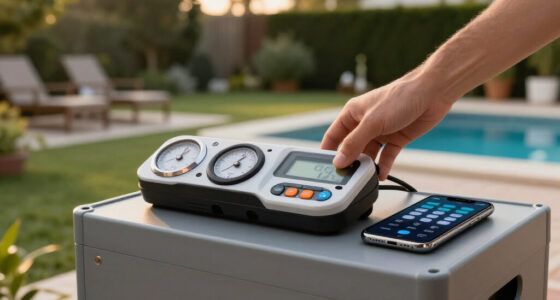
Smart timers are changing the game. They connect to Wi-Fi, letting you control everything from your phone. You can set, adjust, and monitor your pool’s schedule remotely—no more clunky manual timers or guesswork.
Imagine waking up on a hot summer morning and adjusting your pool’s cycle to cool down or extend filtration. Some systems even integrate with sensors that measure water quality, adjusting schedules automatically. This not only enhances convenience but also ensures your pool operates at peak efficiency, saving energy and chemicals.
**Why it matters:** Smart systems can analyze real-time data to optimize operation, reducing chemical waste by up to 30% and energy consumption by 20%. They help prevent issues like algae blooms and equipment stress by making automatic adjustments based on water conditions, which traditional timers cannot do. This means fewer manual interventions, better water quality, and lower operational costs. The tradeoff is the initial investment and ensuring your electrical system supports these features, often requiring professional installation to guarantee safety and compatibility.
**Example:** A homeowner uses a Wi-Fi-enabled timer to extend filtration during heatwaves, preventing algae blooms without manual intervention. It’s like giving your pool a brain, ensuring it responds intelligently to changing conditions.
smart pool timer for saltwater chlorinator
As an affiliate, we earn on qualifying purchases.
As an affiliate, we earn on qualifying purchases.
Maintenance Tips to Keep Your Timers and Salt Water System Running Smoothly
Proper maintenance extends the life of your timers and keeps your water crystal clear. Saltwater environments can be harsh—corrosion and mineral buildup are common enemies.
Here are some practical tips:
- Inspect timers annually for corrosion, especially around saltwater contact points.
- Clean contacts and relay switches with a saltwater-safe cleaner.
- Check programming and test operation every season.
- Replace timers every 5-10 years or sooner if they show signs of wear.
- Make sure your electrical connections are grounded properly for safety.
**Why this matters:** Regular upkeep prevents unexpected failures that could lead to water quality issues or equipment damage. Corrosion and mineral deposits can interfere with electrical contacts, causing timers to stick or fail. By inspecting and cleaning these components, you ensure reliable operation and extend the lifespan of your system. Replacing timers before they fail prevents costly repairs and water quality problems. Proper grounding and electrical safety checks are critical in saltwater environments, where corrosion can compromise connections, increasing risk of electrical hazards. Investing in routine maintenance is a small price for long-term savings and safety, ensuring your pool remains a safe, enjoyable oasis.
Frequently Asked Questions
How do I synchronize my salt chlorinator and pool pump timers?
Most systems require setting both timers to run during the same hours or in a sequence that allows the pump to circulate water through the chlorinator. Follow the manufacturer’s instructions or consult a professional for precise setup. Proper synchronization ensures effective sanitation and minimizes chemical waste.
Can I use a standard pool timer for my salt water system?
It depends on the timer’s specifications. For salt water pools, choose timers rated for outdoor use and saltwater resistance, with sufficient electrical load capacity. Digital timers with dedicated relays are usually recommended for reliability and safety.
What are the benefits of using a smart timer system?
Smart timers allow remote control and real-time adjustments, making pool management more flexible. They can automatically optimize schedules based on water conditions, saving energy, reducing chemical use, and preventing issues like algae growth.
How often should I check or replace my pool timers?
Inspect your timers at least once a year for corrosion or damage. Replace them every 5-10 years or sooner if they show signs of malfunction. Proper maintenance ensures safety and water quality.
Are there safety concerns with salt water pool timers?
Yes, proper installation and grounding are essential to prevent electrical hazards. Using timers rated specifically for saltwater conditions reduces corrosion risks and enhances safety. Always hire a licensed professional for installation and repairs.
Conclusion
Timing your salt water pool’s chlorinator and pump isn’t just about convenience—it’s about keeping your water clear, safe, and inviting. When you set the schedule right, you use less energy, chemicals, and effort. It’s a small adjustment that makes a big splash in pool care.
Think of your pool as a living thing needing the right rhythm. Keep that rhythm steady, and your salt water oasis will reward you with sparkling water and effortless enjoyment.
Fall yard work Picks
leaf blowers
As an affiliate, we earn on qualifying purchases.